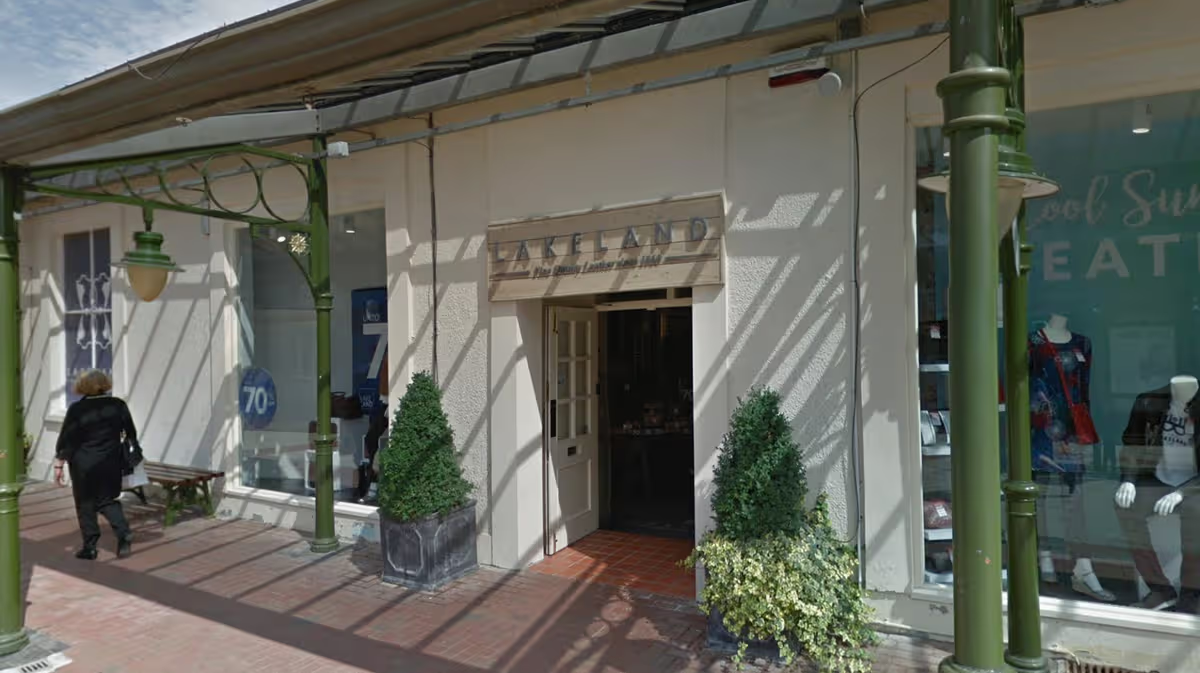



The British retail landscape has witnessed another poignant chapter close with the voluntary liquidation of Felldale Retail Limited, the company that operated a chain of Lakeland Leather stores. This formal step into liquidation marks the definitive end for several of the brand’s physical outlets across the UK, concluding decades of high street presence in some communities. The move follows a series of announced closures over recent months, serving as a stark acknowledgment that certain brick-and-mortar locations were no longer sustainable. While the legal process focuses on winding up the affairs of the subsidiary company, Felldale Retail, its practical outcome is the shuttering of cherished local shops. These closures represent more than just corporate restructuring; they signify the disappearance of familiar town centre fixtures where generations of customers browsed for quality leather goods, from handbags to jackets, often benefiting from personal, knowledgeable service increasingly rare in modern retail.
Among the casualties are stores with deep-rooted local histories, most notably the flagship shop in Kendal, Cumbria, which had been a fixture on Stricklandgate for an impressive 43 years. Its closure, along with others in Carlisle, Gretna, Chester, Southport, York, and Northallerton, leaves tangible voids on these high streets. The farewell message left for customers in Kendal spoke of a “heavy heart” and cited the severe economic challenges facing small specialist retailers, a sentiment echoing through many market towns. For loyal patrons, these were not merely transactional spaces but destinations that offered craftsmanship and continuity. The sight of these units now standing empty, with their final thank-you notes still posted on the doors, is a sombre reminder of the human and community impact behind corporate financial decisions, highlighting the personal connections severed when a long-standing local business vanishes.
Importantly, this liquidation does not signal the demise of the Lakeland Leather brand itself. Company officials are keen to clarify that the liquidation pertains solely to Felldale Retail and its portfolio of legacy stores that were deemed underperforming. The parent company, Lakeland Fashion Limited, which owns the heritage ‘Lakeland Leather’ brand, continues to trade profitably and is charting a new strategic course. This distinction is crucial: the brand is not disappearing but is undergoing a significant transformation. The decision to close these specific stores is framed as a strategic contraction, a difficult but necessary step to shed locations that were no longer commercially viable in the current harsh retail climate. This allows the core business to streamline its operations and redirect resources toward more promising avenues for future growth.
That future growth is firmly centred on the digital marketplace. Lakeland Fashion has reported “sustained growth” in its online operations in recent years, a trend accelerated by shifting consumer habits. The company is now committing to a concerted push to expand its digital business, betting on e-commerce as the primary engine for its next chapter. Customers are being directed from the shuttered physical stores to the brand’s online platform, lakelandleather.co.uk, where the full range of products remains available. This pivot from physical to digital is a common narrative in contemporary retail, yet it involves more than just a change of shopping cart technology; it represents a fundamental shift in how the brand interacts with its community, trading face-to-face relationships for the broader, yet more anonymous, reach of the internet.
While the digital focus expands, the brand’s physical presence has not been entirely eradicated. Lakeland Fashion directly operates 12 other stores and concessions, which the company confirms remain profitable and will stay open. These surviving outlets, likely in more robust retail locations or with favourable operating terms, will continue to serve as physical ambassadors for the brand. They offer a glimpse of what might have been for the closed stores and provide an essential bridge between the brand’s heritage and its digital future. For customers who value the tactile experience of shopping for leather goods, these remaining stores become even more vital, preserving a tangible connection to the brand’s artisanal roots amidst its online evolution.
In conclusion, the liquidation of Felldale Retail is a tale of adaptation and resilience tinged with undeniable loss. It underscores the severe pressures on physical retail, especially for specialist mid-market brands in smaller towns. While the closure of stores like the 43-year-old Kendal outlet is a sad event for employees and the community, the broader Lakeland Leather narrative is one of strategic consolidation. The brand is navigating its survival by making painful but deliberate choices: exiting unprofitable physical spaces, investing aggressively in its online future, and nurturing its remaining successful stores. The outcome is a brand in transition, striving to preserve its heritage and craftsmanship while embracing the realities of 21st-century commerce, hoping that its loyal customer base will follow it from the high street to the homepage.