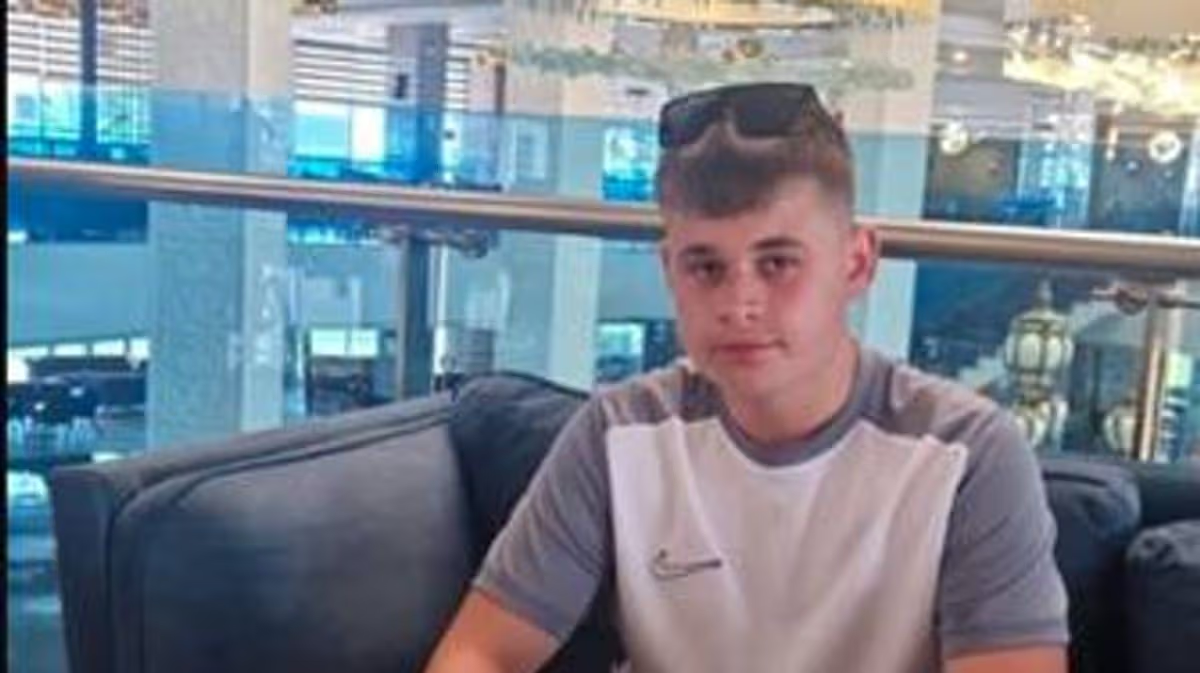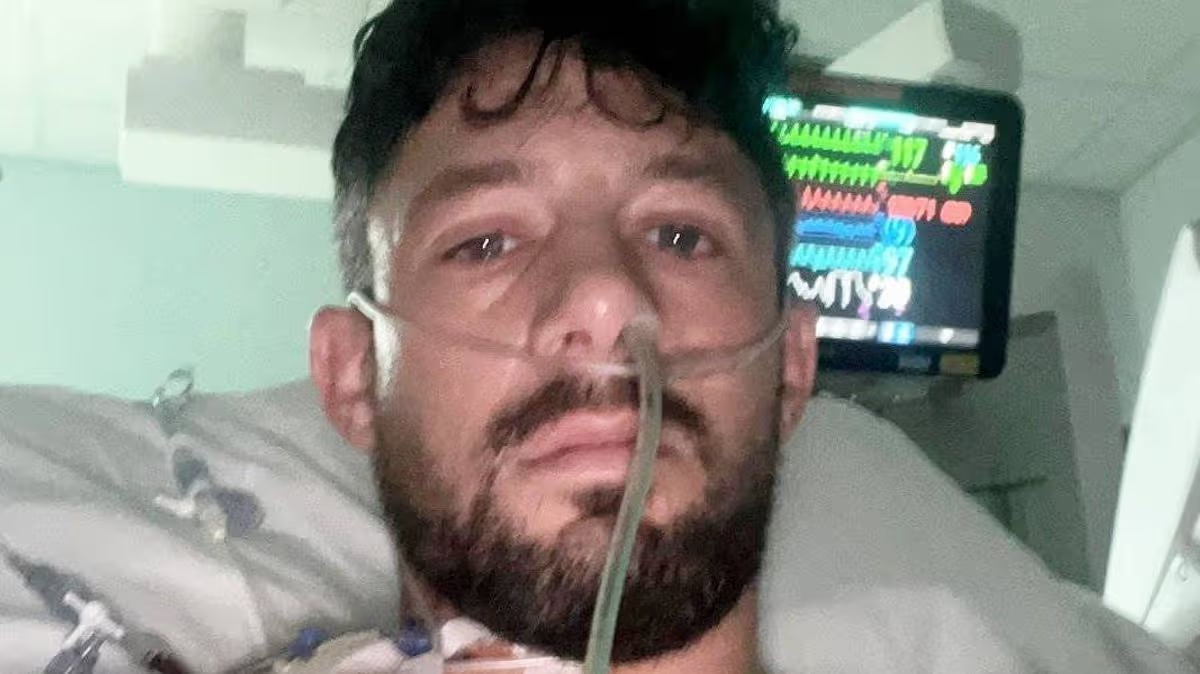




The tragic story of Joe Till, a 33-year-old father from Lancaster, is a heartbreaking reminder of how swiftly life can change and how crucial persistent medical advocacy can be. Initially, Joe’s excruciating leg pain was dismissed by walk-in centre staff as sciatica, a common but debilitating nerve condition. However, this diagnosis proved to be catastrophically incorrect. The reality was far more severe: Joe was eventually diagnosed with stage four diffuse large B-cell lymphoma, an aggressive form of blood cancer. This misdiagnosis and the subsequent delay in proper treatment marked the beginning of a brutal and ultimately fatal 22-month battle for a man described as a dedicated gym enthusiast and avid lover of the outdoors, whose life was built around activity and providing for his young family.
Joe’s journey into this nightmare began in 2024, with pains that gradually escalated from a concerning discomfort to a life-altering disability. He made repeated visits to healthcare professionals, trusting in their assessments, only to be sent home with the sciatica explanation. The pivotal moment came when the active, physically capable man found himself unable to walk upstairs—a stark signal that something was profoundly wrong. This symptom finally led to the correct, yet devastating, diagnosis in July 2024. From that point, Joe’s world shrank to the confines of punishing cancer treatments, which, while attacking the disease, also ravaged his body. He tragically lost mobility from the shoulders down, a cruel fate for someone whose identity was so tied to physical strength and the simple joy of hiking with his family.
There were fleeting moments of hope during his treatment where his condition appeared to stabilise, offering his wife, Emma, and their four children a glimpse of a possible future. Yet, this hope was shattered when the cancer returned with a vengeance. On February 9, Joe and his family received the news that no one ever wants to hear: the National Health Service had exhausted all available treatment options. He was told he might only have months left to live. This moment underscored not only the aggressiveness of his cancer but also the agonising limitations of even advanced medicine, forcing the family to confront the reality of their impending loss and shifting their focus to palliative care and creating lasting memories.
In response to this desperate situation, a fundraiser was established to support two core goals: to explore potential private therapy options and, most importantly, to help secure the family home for Emma and the children. The campaign highlighted Joe’s primary concern—the wellbeing and stability of his family after he was gone. The public response was a testament to the man he was, with donations flooding in and messages of support offering some solace. Tragically, on May 17, 2026, Joe’s courageous fight came to an end. His family announced his passing on the fundraiser page with “broken hearts,” paying tribute to his “incredible strength and courage right until the very end.”
True to his vibrant spirit, Joe left specific wishes for his funeral, explicitly rejecting traditional mourning attire and a sombre atmosphere. He requested a grand celebration, a reflection of the amazing person he was—full of life, love, and resilience. This directive speaks volumes about his character, choosing to focus on joy and gratitude rather than sorrow, even in planning for his own departure. His funeral was scheduled for May 29, poised to be a gathering that honoured his laughter, his spirit, and the profound impact he had on those around him, rather than solely the tragedy of his illness.
As of late May 2026, the fundraiser in Joe’s memory has collected over £13,700 from 471 donations, steadily progressing toward its £30,000 target to support his bereaved family. This financial support is a crucial practical help, but the broader narrative of Joe’s story resonates on a deeper level. It is a sobering call for awareness regarding the severity of persistent symptoms and the importance of seeking second opinions. More than that, it is a poignant human story of a young father’s love, his relentless fight, and a community’s compassion in the face of unimaginable loss. Joe Till’s legacy is one of courage in adversity and a final, powerful lesson in celebrating life, precisely as he wished.