

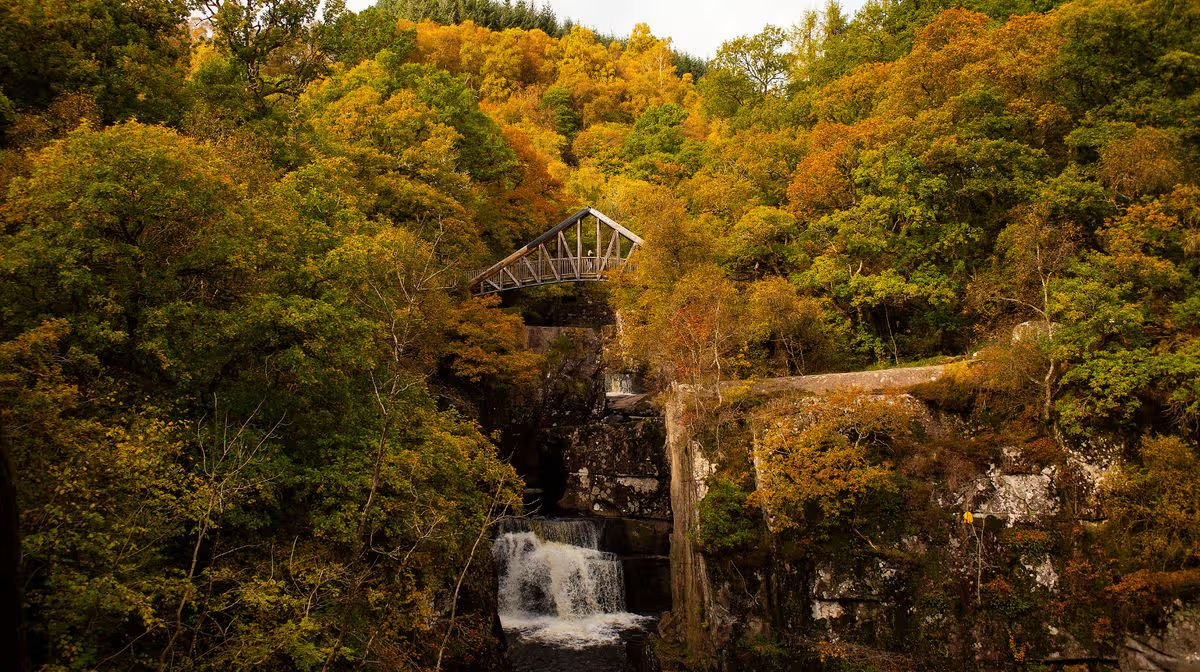
A profound and collective grief has once again settled over a community, as the body of a 16-year-old boy was recovered from the waters of Bracklinn Falls in Callander, Scotland. This tragic incident, occurring on the evening of Thursday, 28 May 2026, marks the twelfth life lost to the UK’s waterways during a devastating and relentless heatwave. Emergency services raced to the popular beauty spot within Loch Lomond and The Trossachs National Park after reports of concern for a person, but they could only perform a recovery. Police Scotland confirmed the death is not being treated as suspicious, a formal notation that does little to ease the weight of the loss for the boy’s family and friends, who are now left to navigate an unimaginable future. Each such statistic represents a story abruptly ended, a cascade of sorrow that begins with a single, fatal moment in what should have been a place of natural beauty and summer respite.
This latest tragedy is not an isolated event, but a somber data point in a series of fatalities that have unfolded across the nation as temperatures soared to record-breaking highs, surpassing 35°C in some regions. The allure of cool, inviting water proved fatally irresistible to many, with similar losses reported from South Yorkshire to Cornwall, and from Pembrokeshire to Lancashire. These incidents underscore a dangerous and often underestimated paradox of heatwaves: the very element that promises relief can conceal lethal hazards like cold-water shock, hidden currents, and sudden changes in depth. The heat, which saw Scotland itself reach a sweltering 24°C, transformed rivers, lakes, and quarry pools into tragic hotspots, revealing a desperate public health crisis playing out in real time across the country’s landscapes.
As communities grapple with this toll, the meteorological chapter of this intense heatwave is finally drawing to a close. Forecasters from the Met Office indicate a significant shift in the weather pattern, with Friday expected to be the first day in a historic series where the UK-wide temperature fails to reach 30°C, though the south and east may still see highs in the upper 20s. A more definitive change arrives on Saturday, as Atlantic air masses begin to dominate, bringing periods of heavier, potentially thundery rain to western areas, particularly Northern Ireland. This marks a transition to a more typical, changeable British weather pattern of sunshine and showers, offering a physical cool-down that arrives too late for the families of the twelve who perished.
The sheer intensity of the departed heatwave is quantified not just in lives lost, but in the strain placed on infrastructure. Thames Water reported that the demand for water across London and the South East during the recent bank holiday weekend was a staggering one billion litres higher than during the same period in 2025. This figure lays bare the immense pressure exerted by the prolonged heat, highlighting how extreme weather events test the resilience of our essential services and push consumption to unprecedented levels, even as the natural waterways that many turned to for cooling became sites of profound danger.
In the wake of these tragedies, there is a pressing need to move beyond seasonal warnings and toward a deeper, cultural understanding of open water safety. The collective narrative must shift from simply noting the risks to actively embedding respect for the power of rivers, lakes, and coastal areas, especially during periods of extreme heat. This requires continuous, community-focused education that emphasizes the very real phenomenon of cold-water shock, which can incapacitate even strong swimmers, and the importance of seeking out lifeguarded locations. The memories of those lost demand a legacy of greater public awareness and preparedness.
Ultimately, the passing of the heatwave’s peak brings a bittersweet relief. The cooling rains will replenish the land and lower the oppressive temperatures, but they also arrive as a mournful backdrop to a national period of reflection. The twelve lives lost stand as a heartbreaking testament to the deadly intersection of climate-driven weather extremes and human vulnerability. As the country moves into a week of sunshine and showers, the hope must be that the lessons of this tragic period are not washed away with the change in weather, but are instead etched into public consciousness, fostering a future where the search for summer solace does not end in preventable catastrophe.