



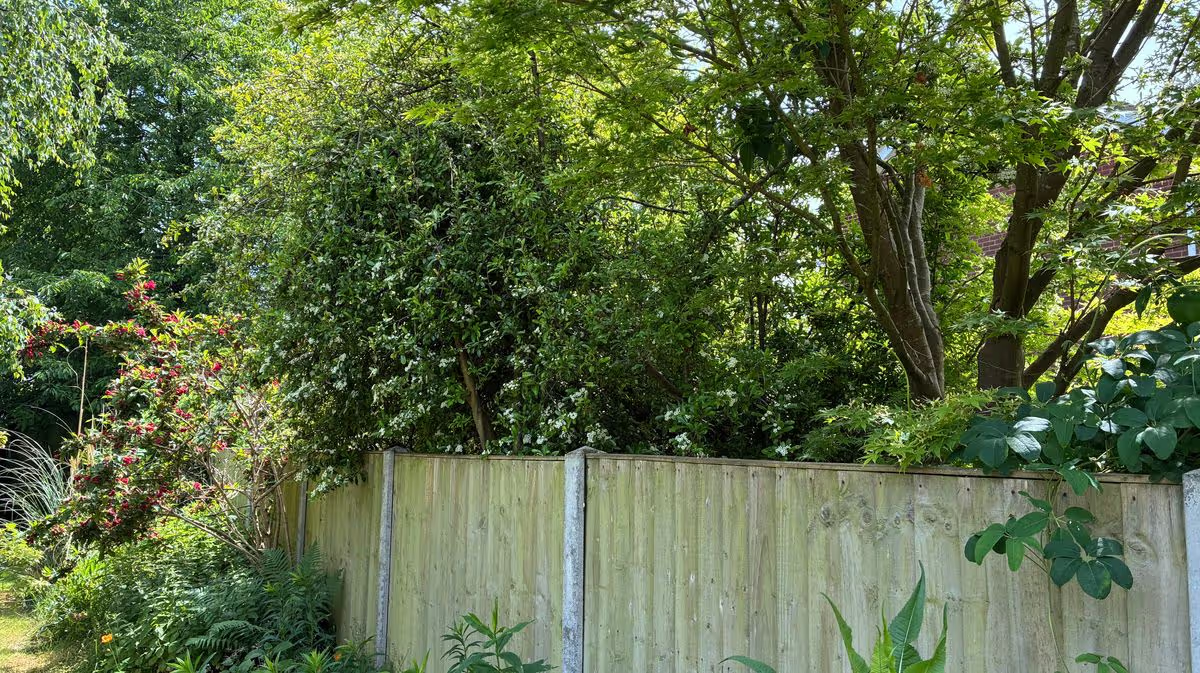
In a distressing incident that highlights the tensions and legal grey areas surrounding garden boundaries, an elderly man was left injured after a dispute over a tree. His son took to a Reddit forum seeking legal advice, explaining that his frail father had tripped over branches deliberately left strewn across his garden path. The situation began when neighbours, frustrated by overhanging branches from the man’s tree, apparently took matters into their own hands. While homeowners do have certain rights regarding encroaching vegetation, the manner in which this was executed—involving unauthorized entry and abandoned waste—transformed a common nuisance into a case of potential trespass and personal injury, leaving a vulnerable resident to deal with the dangerous and messy consequences.
The backstory adds a layer of poignancy to the conflict. The father has lived in his council house since 1978 and had historically maintained the tree himself. With advancing age diminishing his ability to perform such tasks, the family had proactively contacted the local council to request pruning, acknowledging the overhang into the neighbour’s property. Before the council could act, however, two workmen appeared unannounced in the elderly man’s garden. When confronted, they claimed to be from the council, a statement later proven false by a ring doorbell camera which showed they had not even knocked to seek permission. They trimmed the branches from one side of the tree and departed, leaving the cut debris scattered throughout the garden, directly on the path his father uses daily.
The aftermath was both bureaucratic and physically harmful. Believing the men were official council workers, the father waited for them to return and clear the waste. This wait ended when he fell over the obstructing branches. His son’s complaint to the council revealed the truth: no council team or contracted crew had been dispatched to the property. The authority explicitly stated they would not be removing the garden waste. This confirmation pointed squarely to the neighbouring property as the instigator, having likely hired the workmen privately. While the act of cutting the overhanging branches may have been within their legal rights, the method—entering the property without consent and abandoning the cuttings—was not.
This case sits at the intersection of several legal principles. As legal experts like Kate Fowler, a senior associate solicitor, confirm, a property owner does have the right to cut back branches that overhang onto their land, but strictly up to the boundary line. Critically, any cuttings must be offered back to the tree’s owner; they cannot simply be dumped on the originating property. Furthermore, entering someone’s garden to perform this work constitutes trespass unless permission is granted. The workmen’s entry and their abandonment of the branches therefore created grounds for claims of trespass and potentially criminal damage, especially if the tree was pruned poorly or harmed. The father’s fall introduces a more serious element of personal injury liability, though pursuing this would require evidence linking the neighbour directly to the contractors’ actions.
The online legal community offered pragmatic, if somewhat discouraging, advice. Many pointed out the significant challenge of proving the neighbour hired the workmen without concrete evidence, such as a contractor’s invoice or a witness statement. Suggestions ranged from a direct, calm conversation with the neighbour to clarify boundaries and future expectations, to simply disposing of the branches oneself to restore safety, however unjust that might feel. Commenters noted that while a claim for the cost of waste removal or tree damage might be possible if the neighbour admitted involvement, legal disputes with neighbours often consume immense time and emotional energy. The overarching advice was to prioritise the father’s immediate safety and well-being, while establishing clear communication to prevent a repeat occurrence.
Ultimately, this story is a sobering lesson in neighbourly conduct and legal nuance. It underscores that while property rights exist, they do not override fundamental courtesies or the legal prohibition against trespass. The correct procedure would have been for the neighbour to formally request the tree be trimmed, or to notify the father of their intent to cut the overhang, offering to return the cuttings or dispose of them responsibly. Instead, the covert action created a hazardous environment for a frail senior citizen. The incident serves as a reminder that the law provides frameworks for resolving such disputes, but its effectiveness hinges on evidence, and true resolution often depends more on respectful communication than legal retaliation. For the son and his father, the path forward involves clearing the immediate physical hazard, securing their property’s boundaries, and deciding whether to seek formal redress or to focus on ensuring such an unsettling violation does not happen again.