



Nestled in one of Europe’s most dramatic landscapes, where stark limestone mountains plunge into the serene waters of the Adriatic, the medieval town of Kotor offers a secret that feels too precious to keep. While the Mediterranean’s most famous destinations simmer with crowds and luxury price tags, Kotor remains a sanctuary of authentic charm and breathtaking beauty, all without the eye-watering expense. It’s a place where history is woven into the very fabric of cobbled lanes, and where the grandeur of the scenery rivals that of any classic Italian or Croatian hotspot. This compelling combination has recently earned Kotor a notable distinction: it’s been named the best-value summer destination in Europe by fintech company Zable. With average flights from major hubs around €91 and a week’s high-season accommodation for two averaging under €1,000, it presents a startlingly accessible alternative. Add to this a modest tourist tax and affordable daily costs, and Kotor emerges not just as a picturesque postcard, but as a genuinely smart choice for the discerning yet budget-conscious traveller.
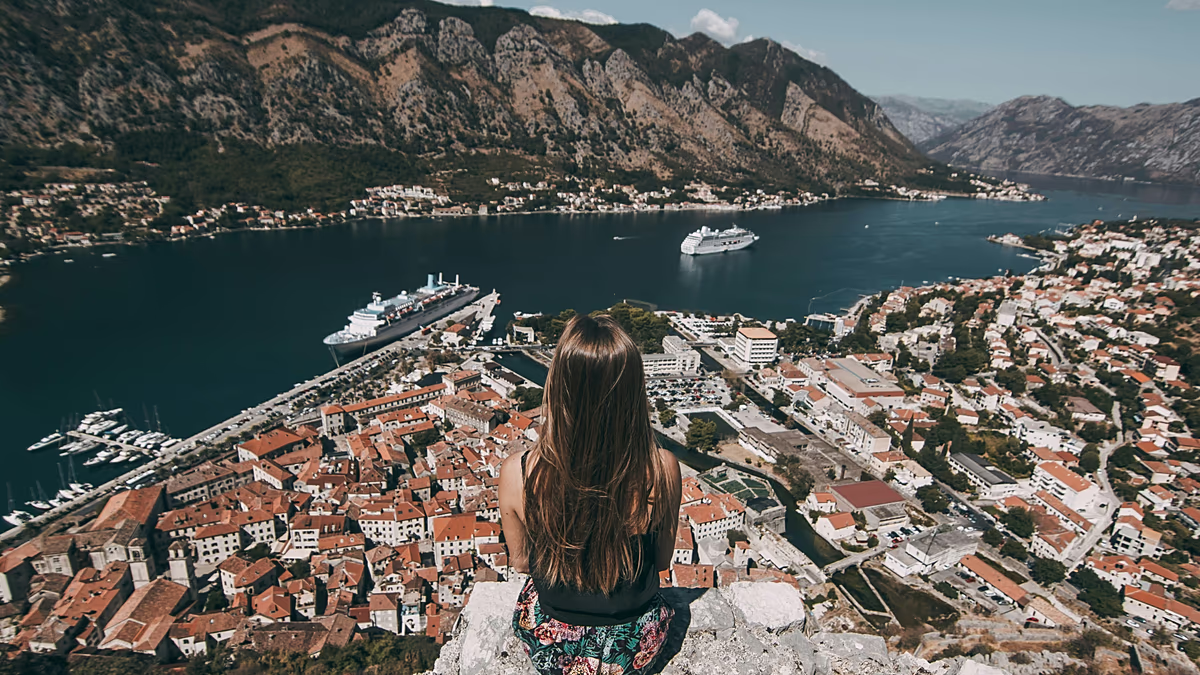
The heart and soul of any visit lies within Kotor’s UNESCO-listed Old Town, a labyrinth of winding stone alleyways enclosed by formidable Venetian-era walls. Here, time seems to slow down. You can spend hours getting lost past medieval churches, charming piazzas buzzing with café life, and quaint shops, all under the watchful gaze of the city’s ancient fortifications. The must-do ascent is the climb up the 1,300 steps to the San Giovanni Fortress, a thigh-burning pilgrimage rewarded with one of the most spectacular vistas in the Balkans—a panoramic view of the terracotta rooftops below, the glittering, fjord-like Bay of Kotor, and the majestic mountains beyond, particularly magical at sunset. For an equally stunning perspective with less effort, the Kotor cable car whisks you from sea level to the heights of Mount Lovćen in just minutes, offering breathtaking views that stretch to the Adriatic horizon. Beyond the town itself, the serene bay beckons with boat trips to the iconic island church of Our Lady of the Rocks or to the elegant, sleepy village of Perast, a gallery of Baroque architecture and waterfront tranquility.
Montenegrin cuisine is a hearty and delicious reflection of its coastal and mountainous character, and enjoying it in Kotor is a highlight that won’t strain your wallet. Zable’s research notes a meal with drinks can easily be enjoyed for around €15. Seafood, fresh from the Adriatic, rightly dominates: think grilled squid, black risotto stained with cuttlefish ink, and the beloved buzara—mussels stewed in a fragrant white wine and garlic broth. Yet, the inland influence is strong, offering robust flavours like Njeguški pršut, a delicately smoked ham, served with local cheeses. For a quick and satisfying bite, flaky burek pastries filled with cheese, meat, or spinach are perfect fuel for exploration. Wash it all down with a glass of local wine, such as the crisp white Krstač, while watching the boats drift by. The day naturally revolves around the strong Balkan coffee culture, best experienced at a café table spilling onto a sun-dappled square, perhaps followed by a slice of creamy krempita custard pie.
Choosing where to stay is part of Kotor’s charm. For maximum atmosphere, boutique hotels within the Old Town’s converted stone palaces offer unique character, with rooms that whisper tales of centuries past. Waking up inside the ancient walls, steps away from quiet morning strolls before the day-trippers arrive, is a special experience. For those preferring a view of the walls rather than life within them, the waterfront stretches along the bay in areas like Dobrota, lined with seafront apartments and guesthouses a pleasant walk from the main gates. Travellers seeking a more tranquil base might opt for nearby Perast, a serene village of palazzos. Meanwhile, a short drive away in Tivat, the mega-yacht marina of Porto Montenegro caters to luxury lovers with five-star hotels and chic beach clubs, proving Montenegro’s appeal is becoming increasingly broad.
Reaching this Adriatic gem is straightforward. The most convenient gateway is Tivat Airport, just a 15-minute drive away, with seasonal flights from across Europe. Many visitors also fly into the bustling hub of Dubrovnik in Croatia, embracing a scenic two-hour bus journey south that traces the spectacular coastline, offering a stunning preview of the region’s beauty (with the minor adventure of a border crossing). Once in Kotor, the town itself is wonderfully walkable. However, renting a car opens up the magnificent surrounding region—the entire serpentine Bay of Kotor, the rugged trails of Lovćen National Park, and the charming coastal towns further south along Montenegro’s stunning riviera.
In essence, Kotor represents a rare and exquisite balance in modern European travel. It delivers the profound historical atmosphere, stunning natural scenery, and culinary delights one would expect from a premier Mediterranean destination, but it does so with a refreshing lack of pretence and a compelling sense of value. It is a place where you can savor a long seafood lunch overlooking a bay of impossible blue, explore castle walls that have stood for a millennium, and retire to a room in a building that is itself a piece of history, all while maintaining a sensible travel budget. For those in search of substance, beauty, and authenticity without the extravagant cost, Kotor isn’t just a good alternative; it is quietly becoming one of Europe’s most intelligent and rewarding escapes.