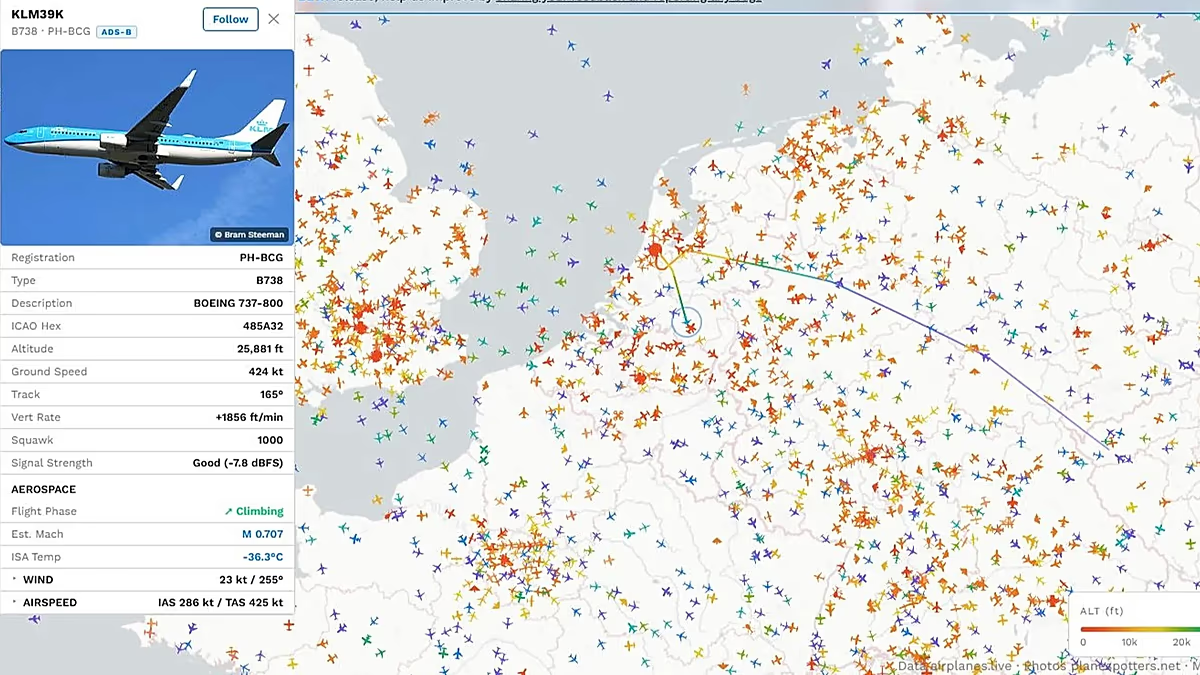



The long-awaited summer holidays are approaching, promising sunshine, relaxation, and cultural exploration. Yet, this year’s travel landscape is painted with complex hues of excitement and apprehension. As temperatures climb, so do the costs and logistical hurdles of getting away. A potent mix of geopolitical tensions, a jet fuel crisis leading to thousands of flight cancellations, and airlines subtly passing on increased expenses has created a season where the traditional holiday is undergoing a significant transformation. But rather than dampening spirits, these challenges are fostering a new era of savvy, resilient, and value-conscious travel across Europe. The continent remains a powerhouse of global tourism, with iconic cities like Paris, Amsterdam, and Brussels seeing sustained international demand. However, the question for modern travellers is not just where to go, but how to navigate the journey smartly in an unpredictable environment.
Financial pragmatism has become the cornerstone of travel planning. With rising airfares, accommodation costs, and fluctuating exchange rates, Europeans are meticulously weighing value against experience. According to research, the average cost for a family of four to fly from Amsterdam has jumped over 13% in a year. This pressure is reshaping choices, leading to a clear divergence in transport preferences. Many are turning to low-cost carriers, embracing a stripped-back flying model where they pay only for essentials, a system that airlines like EasyJet report is well-understood and appreciated by a significant portion of their customers. Simultaneously, the romance and reliability of rail travel is seeing a resurgence. With train fare increases being markedly lower than those for flights on most routes, and the environmental benefits adding to the appeal, the railways are offering a compelling alternative. Experts advise travellers to be flexible, comparing prices across platforms and considering nearby airports or advance booking discounts like Deutsche Bahn’s ‘Sparpreis’ to secure the best deals.
In response to the volatility in the aviation sector, with its cancellations and last-minute changes, the concept of security is influencing booking strategies. Consumer advocates strongly recommend opting for package holidays this summer, as they offer the most robust financial protection against major disruptions, covering both flights and accommodation. This shift towards safer, bundled options reflects a desire for peace of mind amidst uncertainty. Furthermore, the data reveals a pronounced trend towards proximity and familiarity. A staggering 92% of European trips last year were intracontinental, with expenditures outside Europe being significantly higher. This focus on nearer destinations is coupled with a growing embrace of the ‘staycation’, with one in four travellers in several major countries planning to holiday domestically in 2026. Those venturing abroad are also travelling shorter median distances, and there’s a rise in group travel, allowing friends and families to split costs and share experiences more economically.
Timing has emerged as a critical weapon in the battle for affordability. Flight comparison analytics pinpoint specific windows—such as the week of June 29th to July 5th for 2026—as the cheapest for summer travel, urging procrastinators to act. The consensus is that seizing these moments requires research and flexibility. Furthermore, stretching the summer season into the fringe months of June and September is highly recommended for lower prices, thinner crowds, and a more relaxed atmosphere. For budget-conscious UK travellers, destinations like Poprad in Slovakia or Polish cities such as Szczecin offer average flights at remarkably low prices, proving that an international escape need not be exorbitant. The advice extends to on-the-ground spending: walking over taxis, seeking out local street food instead of tourist-trap restaurants, and preparing for incidental costs like medical care by obtaining necessary insurance cards.
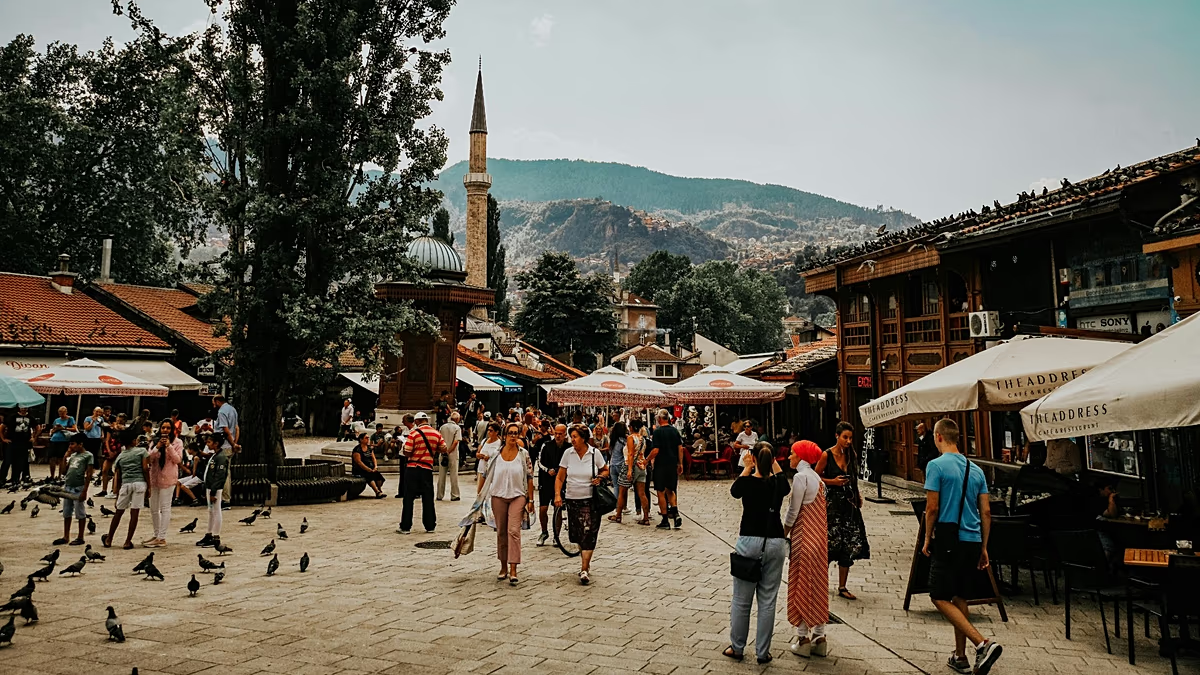
For those seeking an urban adventure, the quest for value has clearly shifted eastward. Eastern European cities dominate the rankings for Europe’s cheapest city breaks in 2026. Sarajevo, celebrated for its rich history, affordable cultural attractions, and low-cost accommodation, tops the list for the first time. It is joined by other capitals like Bucharest, Tirana, and Belgrade, which offer vibrant experiences at a fraction of the cost of their Western counterparts. Analysing a basket of common tourist expenses—from meals and drinks to accommodation and transport—these cities provide a complete two-night break for two people at prices that are often half or less of what might be spent in more traditional destinations. This trend underscores a broader movement towards experiential travel that prioritizes cultural depth and authenticity over sheer luxury or brand-name locations.
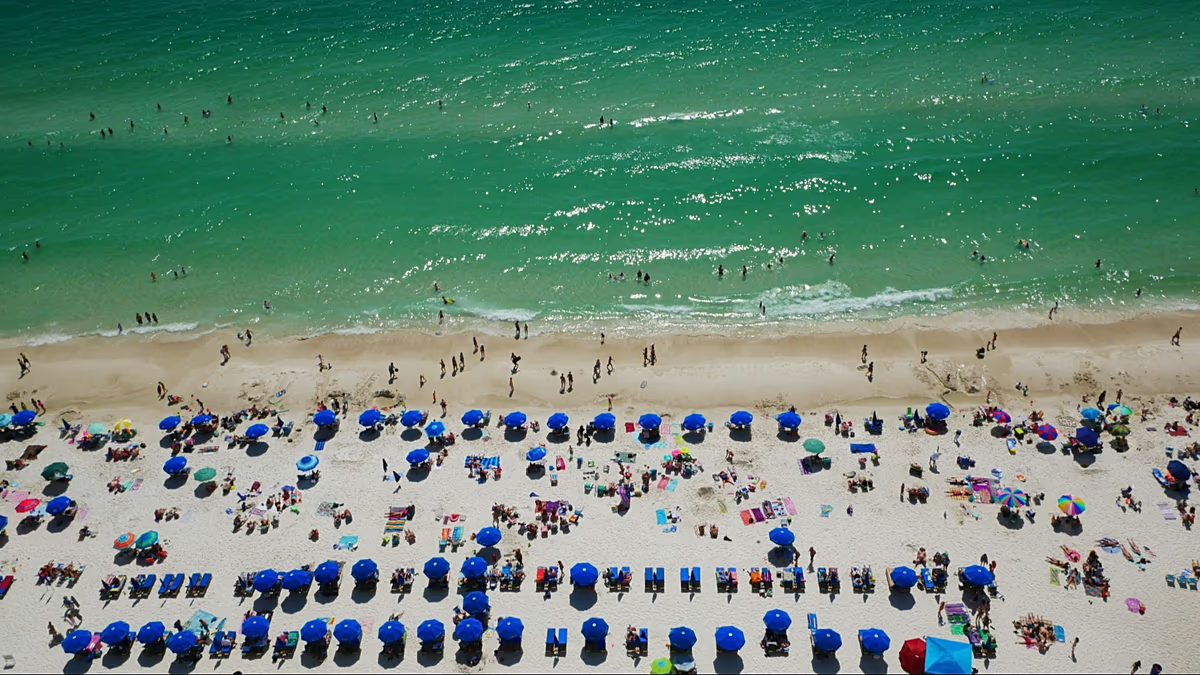
Ultimately, the spirit of European travel in 2026 is one of resilient adaptability. While headlines speak of crises and rising costs, the data and trends tell a story of a travelling public that is more informed, flexible, and creative than ever. Europeans are not abandoning their holidays; they are redefining them. They are mastering the art of the deal through strategic booking, embracing alternative transport, seeking financial security through package tours, rediscovering the joys of closer destinations and home territories, and venturing into new, value-rich cities. The journey itself is becoming a more conscious and curated experience, where the reward is not just the destination, but the satisfaction of navigating a complex landscape with wisdom and ingenuity. The summer sun will still shine on beaches, mountains, and city squares; it will just be reached by a more diverse and thoughtful set of paths.