

Paragraph 1: The Urgent Push for Progress
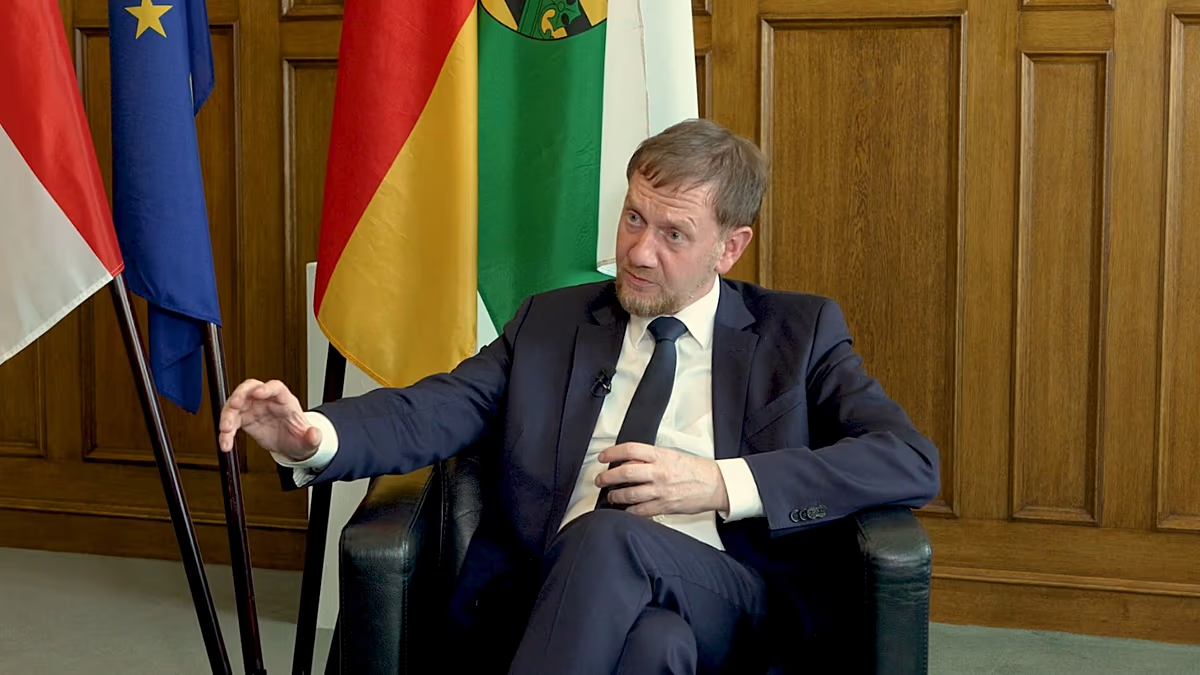
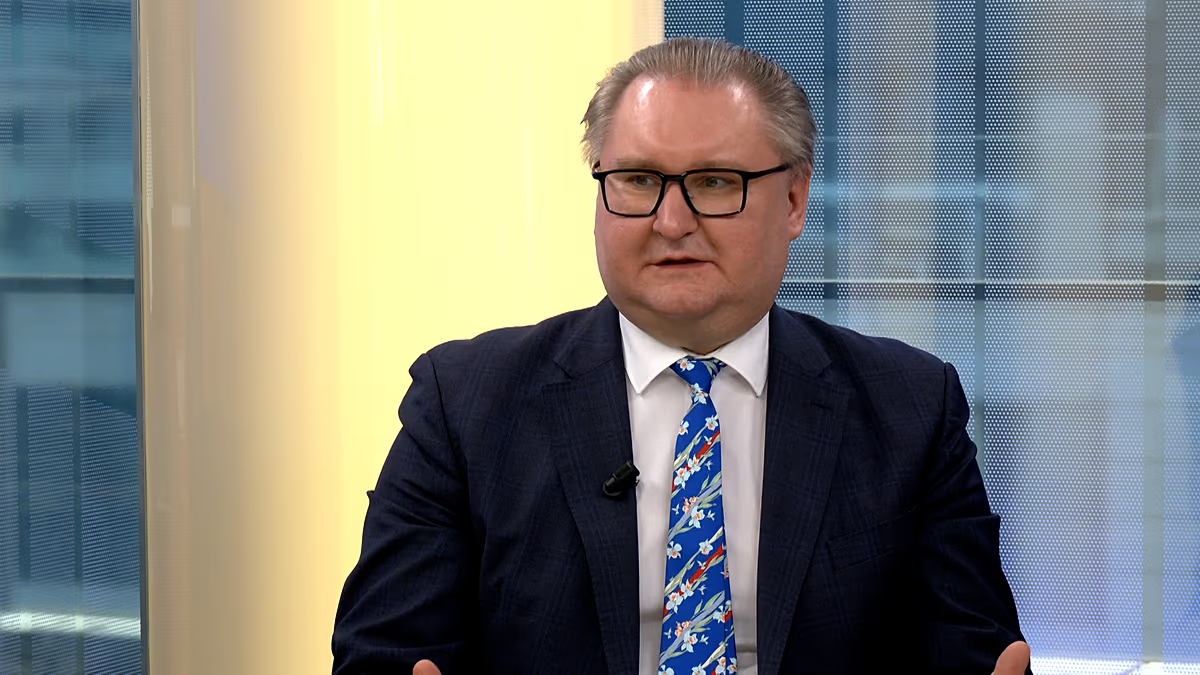
In a determined move to revitalize its European integration, Ukraine is urging the European Union to expedite the next formal phase of its accession process. Kyiv is specifically requesting that Brussels open all six official “negotiation clusters” in June, rather than waiting for the previously suggested timeline of July. These clusters represent the core thematic areas—such as judiciary reform, fundamental rights, and financial controls—where Ukraine must align its laws and institutions with EU standards. Speaking to Euronews, Ukraine’s Deputy Prime Minister for European Integration, Taras Kachka, emphasized a sense of urgency, stating, “Our timeline is that we are already behind the deadline.” This push highlights Ukraine’s view that the technical groundwork for these negotiations is complete, and further procedural delays are both unnecessary and detrimental to its European aspirations.
Paragraph 2: The Shadow of Hungarian Veto Power
However, Ukraine’s accelerated timeline faces a significant historical hurdle: Hungary. Under its former Prime Minister Viktor Orbán, Budapest repeatedly used its veto power to block Ukraine’s accession progress, citing longstanding disputes over the rights of the ethnic Hungarian minority residing in Ukraine’s Transcarpathia region. This minority issue became the key obstacle to formally opening the very first negotiation chapter. The requirement for unanimous approval from all 27 EU member states meant that a single dissenting voice could halt the entire process. Consequently, while the European Commission and most member states have been prepared to advance, Hungary’s stance created a political logjam, stalling what Ukraine insists is a technically ready process.
Paragraph 3: A Tentative Thaw in Relations
A recent shift in the political landscape offers a glimmer of hope. Following a change in Hungary’s government, there are signals of a more cooperative approach. Budapest has indicated it is open to engagement, and its Foreign Minister, Anita Orban, has stated Hungary “will not block anything.” Crucially, Hungary and Ukraine have now initiated direct talks focused on minority rights, a tentative but positive step toward mending bilateral relations. Deputy PM Kachka sought to reassure all parties, affirming that “Ukraine treats the Hungarian community in Ukraine with full respect.” He expressed Kyiv’s willingness to “fine-tune the legislation” to ensure long-term stability and goodwill, suggesting that resolving this bilateral issue could unlock the door to the formal EU negotiation process.
Paragraph 4: Behind Schedule, Yet Far Ahead on Reforms
Kyiv’s frustration stems from a conviction that it is being held back despite substantial preparatory work. Kachka revealed that three negotiation clusters were functionally ready a year ago, before Hungary’s formal blockades began. In March, the EU even agreed to informally open all six clusters, acknowledging Ukraine’s progress. The formal opening, therefore, is not the starting pistol for new work but a bureaucratic recognition of tasks already largely accomplished. Kachka challenged what he called “a certain prejudice” about Ukraine’s readiness, arguing, “For Ukraine it started like 15 years ago,” referencing the long negotiations for the EU-Ukraine Association Agreement. He expressed confidence that the remaining EU-defined benchmarks could be implemented within a matter of months, reinforcing the message that Ukraine is not a typical candidate starting from scratch.
Paragraph 5: Rejecting Any Alternative to Full Membership
Amidst these technical negotiations, Ukraine is also forcefully dismissing any political alternatives to its ultimate goal. The government has squarely rejected a proposal floated by German political leader Friedrich Merz to consider an “associate member” status for Ukraine—a category that would offer integration without full voting rights. Both President Volodymyr Zelenskyy and Deputy PM Kachka have condemned this idea as “unacceptable” if presented as an alternative to full membership. Kachka was unequivocal: “There are no alternatives for the fast, merit-based, but full membership in the European Union.” This stance underscores that for Ukraine, the accession process is not merely a technical checklist but a foundational geopolitical choice and a matter of national destiny, non-negotiable in its ultimate objective.
Paragraph 6: The Path Forward: Diplomacy and Determination
The immediate future of Ukraine’s EU journey now hinges on a delicate balance of diplomacy and sustained reform momentum. The EU hopes Hungary’s new government will translate its open rhetoric into concrete action, lifting its veto and allowing the formal cluster openings to proceed, potentially as early as June during Cyprus’s EU presidency. For Ukraine, the mission is twofold: continue the painstaking technical alignment across all policy areas while navigating the complex political diplomacy required to keep all 27 EU member states supportive. The ongoing bilateral talks with Hungary on minority rights are a critical test case. Success there could not only unblock the first cluster but also set a constructive tone for the entire arduous negotiation process ahead, moving Ukraine one step closer to its unequivocal goal of taking its place as a full and equal member of the European Union.