

Packing for a trip is a universal challenge, a delicate dance between anticipation and practicality. Whether you’re a chronic overpacker fearing you’ll be unprepared for any scenario, or a last-minute throw-it-all-in traveller, the process can feel fraught with stress. The consequences of getting it wrong are all too real: exorbitant baggage fees, the dreaded wait at an oversized luggage gate, or the sinking feeling of arriving without a crucial item. Yet, mastering this skill is less about innate talent and more about adopting a smarter, more strategic approach. By learning from the habits of seasoned travellers and incorporating a few clever hacks, you can transform packing from a chore into an efficient prelude to your adventure.
The foundation of smart packing lies in a ruthless edit of your wardrobe and a shift in mindset. Instead of packing for every hypothetical occasion, focus on building a versatile, mix-and-match capsule wardrobe. As long-term traveller Izzy Nicholls advises, think in terms of “repeatability.” A simple 3-2-1 base—three tops, two bottoms, one outer layer—that all work together can cover a surprising number of needs. The golden rule is that every top should pair with every bottom. If an item only works with one other piece, it’s likely dead weight. Furthermore, be deliberate about fabric choices. Quick-dry materials are a traveller’s best friend, allowing you to wash an item in the evening and have it ready to wear by morning, effectively eliminating the need for duplicates. Packing a tiny laundry kit, like a sink stopper and a concentrated detergent sheet, empowers you to maintain a smaller, more streamlined wardrobe throughout your journey.
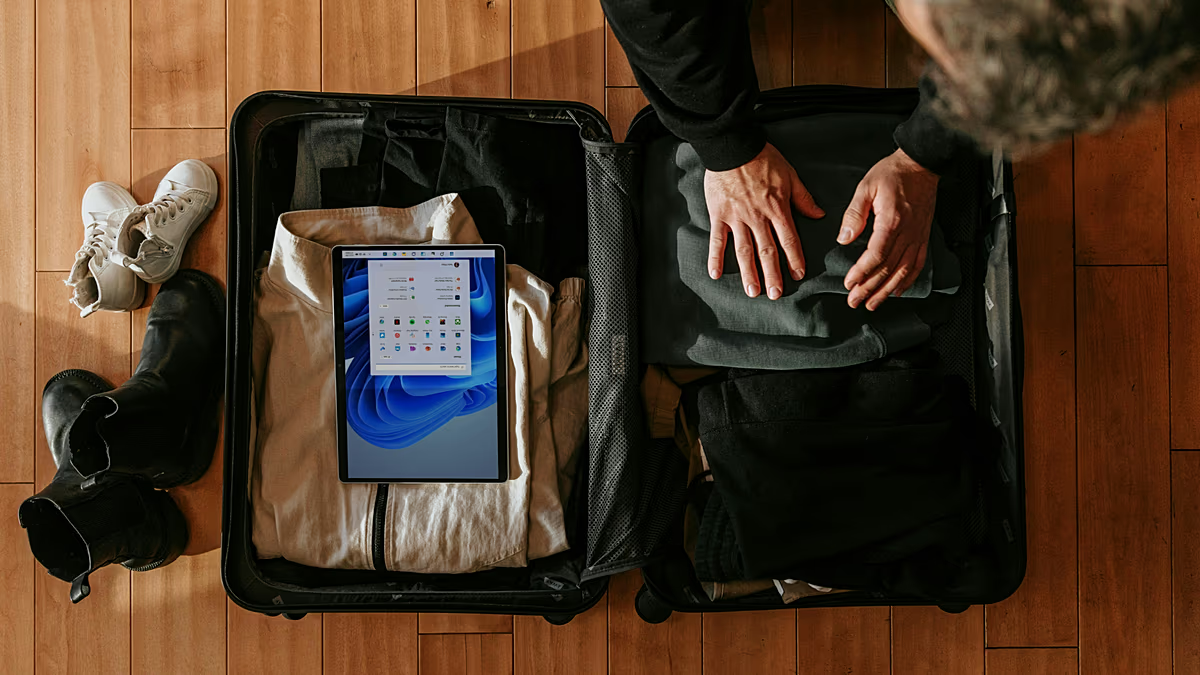
Once you’ve curated your essentials, the next battle is fitting them all in. This is where clever space-saving techniques come into play. Seasoned travellers swear by the art of rolling clothes, which not only saves space but also minimises creases—though make exceptions for very structured items like blazers or heavy denim. Start by laying a foundation in the hollows created by your suitcase’s handle, then place awkwardly shaped items like shoes or hats. You can then nestle your rolled garments around them, using socks and underwear to fill any remaining gaps. For bulkier items or those who truly struggle to pack light, vacuum compression bags can be a game-changer, dramatically reducing volume and potentially enabling you to travel with carry-on only. And don’t forget to use every inch: stuff socks inside shoes, and use those shoes as protective cases for toiletries or fragile items.
Toiletries and liquids are a common source of in-transit disaster. The key is to minimise them where possible and secure them relentlessly where not. Opt for solid alternatives like shampoo bars, bar soap, and toothpaste tablets; they can’t leak and don’t count toward liquid limits. For liquids you must bring, decant them into smaller, reusable bottles rather than buying overpriced miniatures. Lifestyle expert Sarah-Jane Outten offers a crucial tip: never trust bottle caps alone. Place a small piece of plastic wrap over the opening before screwing the cap back on to create a secondary seal. When packing, keep these items in a separate, waterproof pouch and consider tucking them into a shoe for added protection and space efficiency.
Strategic packing extends beyond the suitcase itself to how you organise for the journey. Sales director Nick Gaskin recommends keeping a small, removable pouch within your personal item filled with in-flight essentials—headphones, lip balm, snacks, a charger—so you can stow your main bag overhead without losing access to comfort. Similarly, journalist Dianne Apen-Sadler advises packing with your immediate post-flight needs in mind. If you have a late check-in, keep your swimsuit or a change of clothes right at the top of your suitcase for easy access. And for the overpackers, consumer expert Jane Hawkes suggests a simple tactic: wear your bulkiest items, like boots, jeans, or a jacket, on the plane. A dress over lightweight trousers or a scarf instead of a coat can free up precious suitcase space.
Finally, incorporate a few simple steps to ensure peace of mind. Before you zip up, take a photograph of your fully packed suitcase; this can be invaluable for insurance claims if luggage is lost. Some travellers even photograph each planned outfit to simplify daily decisions. Remember that special trips, like cruises, demand specific strategies—think hanging organisers for shoes and toiletries to maximise tiny cabin spaces. And always pack a few unexpected practical items: a compact power strip to charge multiple devices from one adapter, a reusable water bottle to fill post-security, and a small bag for dirty laundry. By combining thoughtful curation with these practical hacks, you can conquer the packing puzzle, ensuring you step off the plane feeling prepared, organised, and ready to enjoy your holiday from the very first moment.