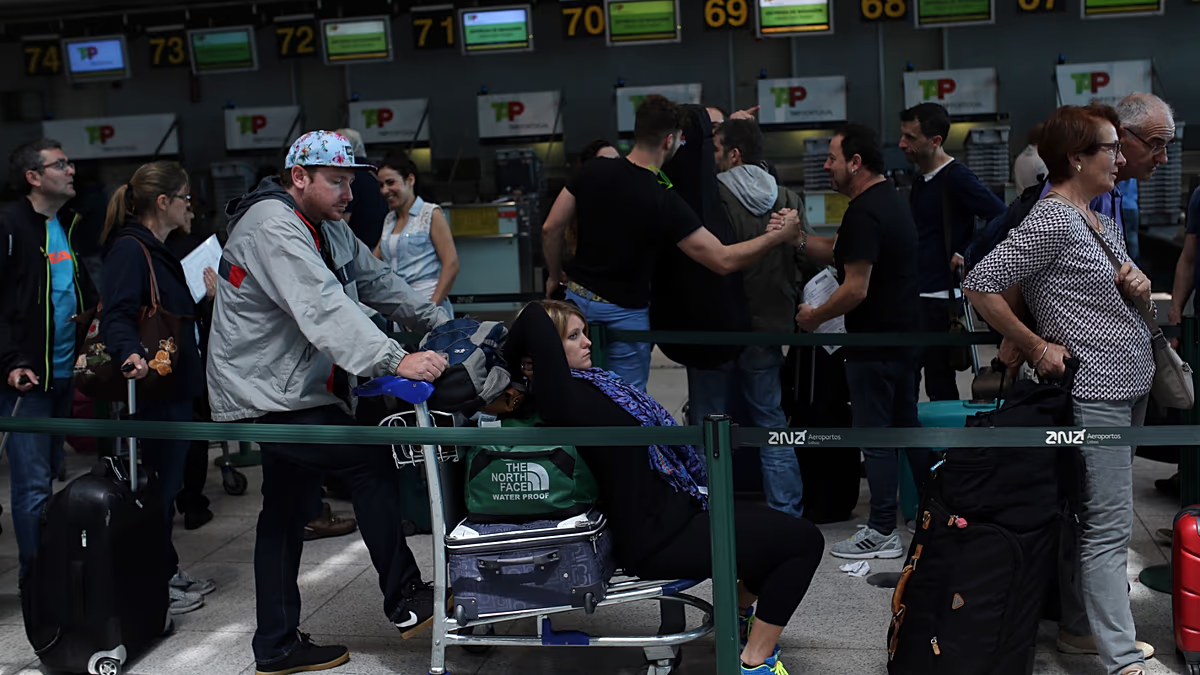



The summer travel season is upon us, but for those with plans to visit Portugal in early June, a wave of nationwide industrial action is poised to create significant disruption. Holidaymakers are being urged to brace for a challenging travel day on June 3rd, as cabin crew, rail workers, and public transport staff prepare to walk out in a coordinated strike. This comes at the worst possible time for both the tourism industry and travellers, marking a rocky start to the peak summer period. With Lisbon’s airport already grappling with lengthy queues, the prospect of hundreds of cancelled or delayed flights adds a layer of anxiety for anyone due to fly in or out of the country. The situation serves as a stark reminder that the idyllic getaway often begins with the complex, and sometimes fragile, logistics of modern travel.
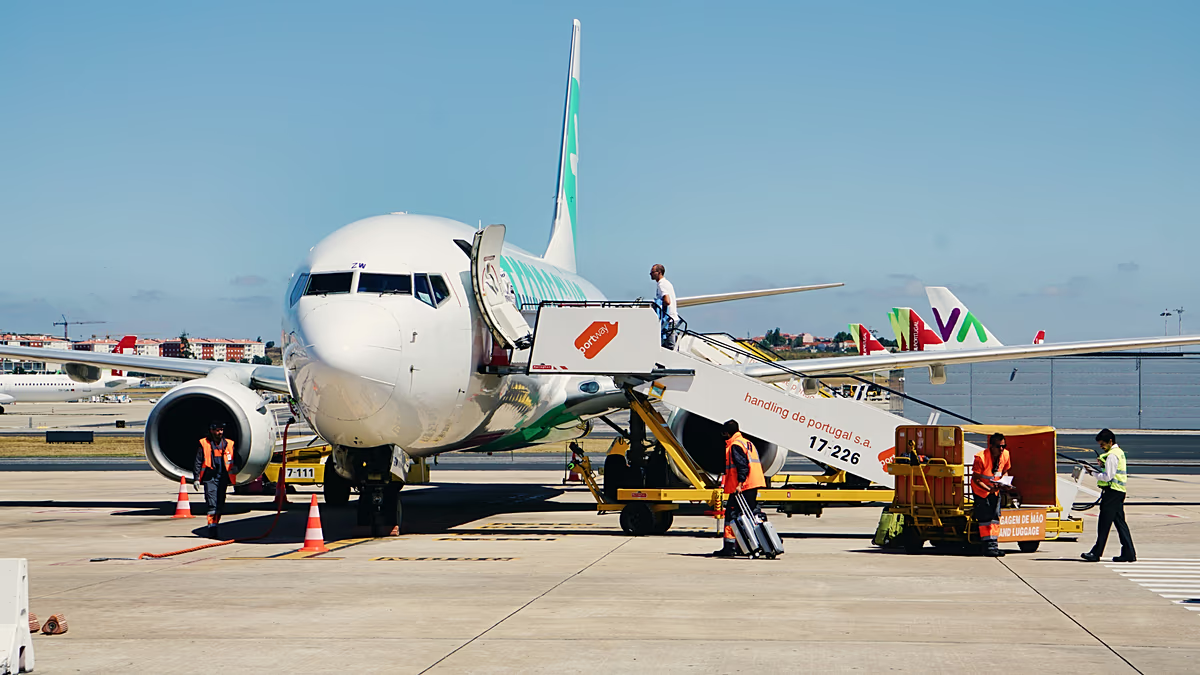
At the heart of the disruption is the aviation sector, where the impact is expected to be most severe. The country’s flag carrier, TAP Air Portugal, could see up to 300 of its daily flights affected, causing a domino effect of cancellations and rescheduling headaches for thousands of passengers. Other airlines like Portugália and SATA are also likely to be hit. This decisive action follows a vote by members of the Portuguese cabin crew union, with a substantial 79% in favour of joining the nationwide strike. Their grievance is not with the airlines directly, but with the Portuguese government. Union leaders are framing proposed labour reforms as an “unprecedented attack on established rights,” arguing that the changes would make it easier for companies to dismiss employees and outsource jobs, thereby eroding worker protections and job security.
The inconvenience, however, will extend far beyond the airport terminals. The strike is a broad-based protest, meaning the ripple effects will be felt across the country’s entire transport network. The union FECTRANS, which represents public transport workers, is participating fully. Consequently, the Lisbon Metro, a vital artery for both commuters and tourists navigating the capital, is set to grind to a halt. Buses, trams, and rail services across Portugal will also face severe disruptions or complete shutdowns. This creates a double bind: travellers who manage to land may then find themselves stranded, unable to reach their hotels or resorts easily. For residents, it’s a day of major inconvenience; for visitors unfamiliar with the local landscape, it could mean missed tours, expensive taxi fares, and a frustrating introduction to their holiday.
Compounding this planned disruption is the ongoing and chaotic rollout of the European Union’s new Entry/Exit System (EES). This automated process, which involves recording the biometric data of non-EU travellers, has been causing hours-long queues at airports across the Schengen area. Lisbon’s airport has been a particular hotspot, with officials so overwhelmed that they have resorted to toggling the new system on and off manually to manage the congestion. The strike on June 3rd threatens to collide with these existing bottlenecks, creating a perfect storm of delays. Travellers could face the nightmare scenario of arriving for a strike-disrupted flight, only to be met with endless lines for border control at their destination, turning what should be the joyful start of a vacation into an exhausting ordeal.
For the everyday tourist caught in the middle, the advice is to prepare for the worst while hoping for the best. Anyone travelling around June 3rd should contact their airline immediately for the latest information on their specific flight status. Building in extensive extra time for journeys to the airport is essential, as road traffic may be heavier with the metro out of service. Flexibility is key; having travel insurance that covers strike action and knowing your rights regarding flight cancellations under EU law can provide a crucial safety net. It may also be wise to download local ride-hailing apps and research alternative transport options in advance. While the strike is a single day of action, its aftermath—with displaced aircraft and crews—could lead to residual delays in the following days.
Ultimately, this strike is more than a travel advisory; it is a snapshot of a country at a crossroads. The workers taking a stand are voicing a deep-seated concern about the future of their professions and labour rights in Portugal. Meanwhile, the government is pushing reforms it believes are necessary for economic flexibility and growth. The tourists witnessing long queues and cancelled plans are the unintended audience to this national debate. Their disrupted holidays underscore how interconnected our global community is, where policy decisions in a government office can directly impact a family’s long-awaited vacation thousands of miles away. As Portugal braces for this day of stoppage, it highlights the delicate balance between progress and preservation, and the very real, human cost when that balance is challenged.