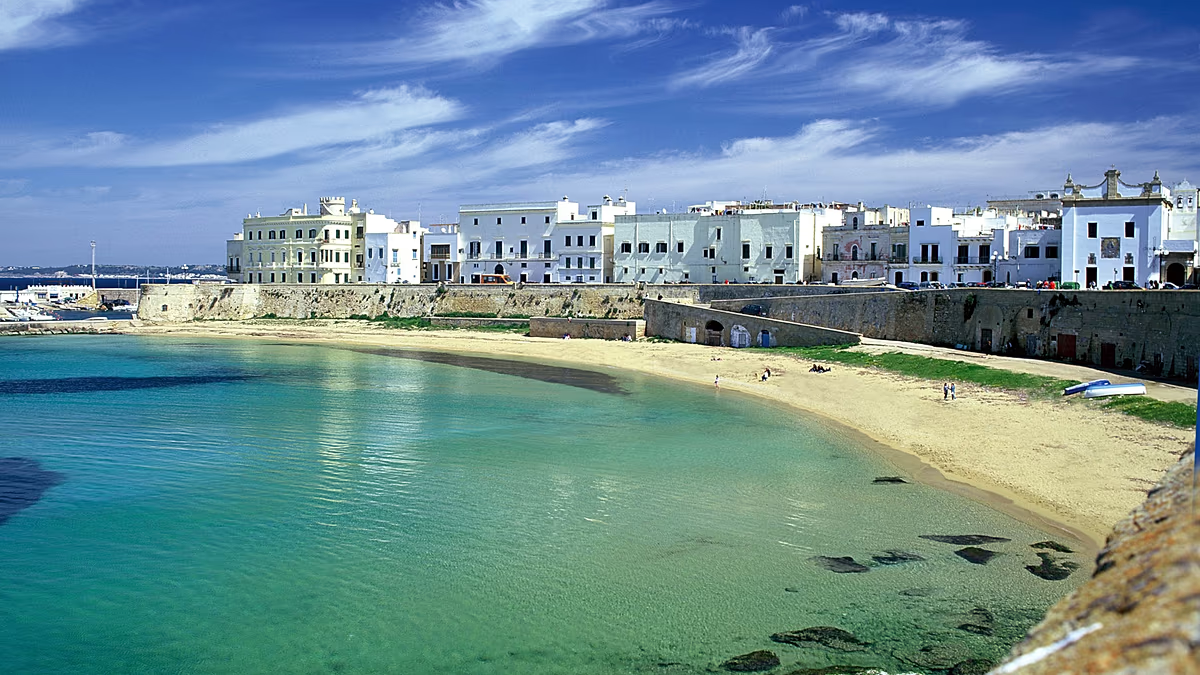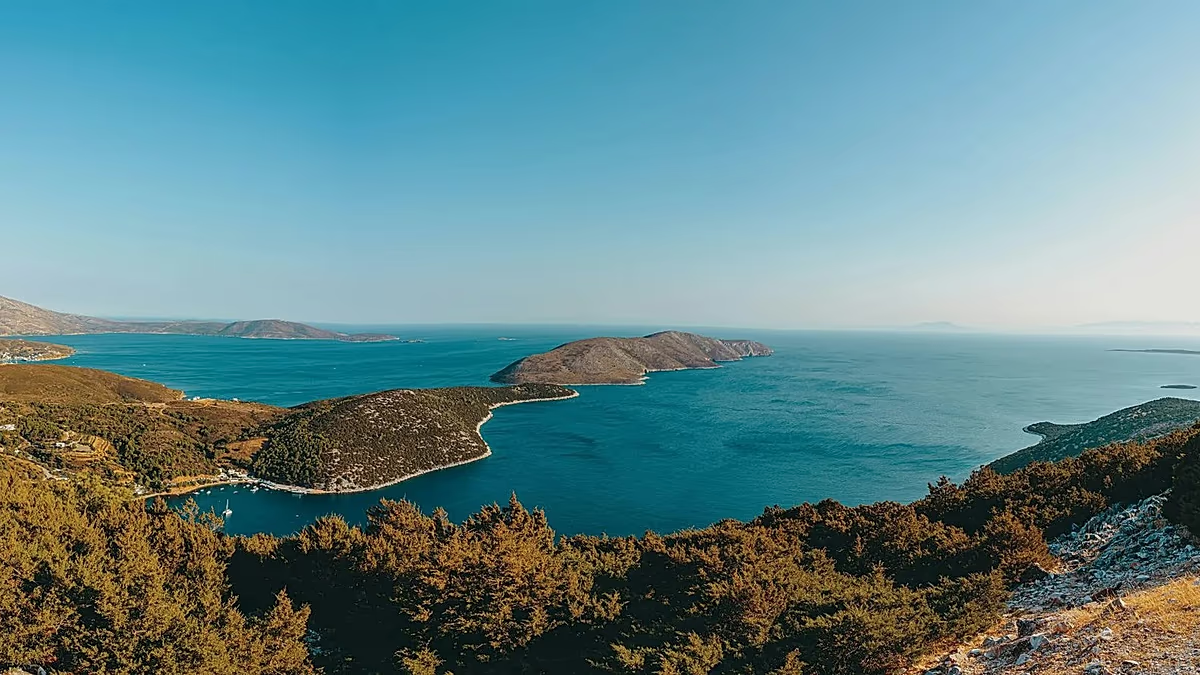



In an era where travel trends increasingly champion the idea of disconnection—from “deadzoning” to full digital detoxes—the ultimate fantasy for many is complete escape: a private island. For those ready to move beyond the hype and literally invest in solitude, a unique opportunity has surfaced in the heart of the Ionian Sea. The Greek island of Makri, part of the Echinades group, is scheduled for auction this November with a surprisingly accessible starting price of €247,000. This represents a dramatic shift from its initial 2022 listing at €8 million, a revaluation that speaks volumes about its nature. Makri is not a blank canvas for a luxury resort; it is a raw, serene outpost offering the purest form of getting back to basics, with only a few abandoned structures—a small house, a cistern, and a chapel—dotting its landscape.
However, this stark beauty comes with significant and deliberate constraints that define its character and appeal. Makri is officially classified as forest land and, crucially, falls under the protection of Natura 2000, the European Union’s extensive network of protected natural sites. This designation strictly limits development to “minimal light infrastructure” and traditional agricultural activity. For a visionary buyer, this means the dream is not about constructing a grandiose villa complex or a bustling hotel, but about preserving and inhabiting a pristine natural sanctuary. The island’s reduced price tag directly reflects these legal protections, which deter large-scale commercial development but simultaneously safeguard its value as an untouched retreat. It is an invitation not to conquer, but to coexist quietly with nature.
For the vast majority who admire the private island dream but aren’t in a position to purchase one, a vibrant and luxurious alternative exists: the world of ultra-exclusive private island rentals. This market allows you to temporarily step into the life of an island owner without the permanent commitments or responsibilities. In Greece itself, options like the Turquoise Private Island on the Athens Riviera offer a turnkey experience of luxury, accessible by helicopter and staffed with a private butler and chef for groups up to twenty. Similarly, Spain’s Tagomago Island, a short boat ride from Ibiza, provides exclusive use of a vast estate featuring a stunning villa, a saltwater pool, and a full curated team including an island manager and private chef.
This rental model extends globally, particularly in archipelagos synonymous with paradise. The Maldives and the Caribbean are renowned for their private island resorts, where entire atolls or cays can be reserved for the ultimate in seclusion and personalized service. The most iconic of these is perhaps Necker Island in the British Virgin Islands, owned by Sir Richard Branson. Guests can either book the entire island for an extravagant group retreat or, on select dates, reserve individual rooms. These experiences deliver all the fantasy of absolute privacy and tailored luxury, complete with dedicated staff managing every detail, from gourmet meals to curated activities, all while surrounded by breathtaking seascapes.
The contrast between owning a place like Makri and renting a Necker Island is profound, highlighting two distinct philosophies of escape. One is a journey into minimalist, authentic solitude—a personal project of stewardship and quiet reflection, governed by environmental ethics. The other is a maximalist, service-oriented holiday where every comfort is anticipated and provided, focusing on social luxury and effortless pleasure. Both, however, satisfy a deep, modern yearning for space, control, and a break from the crowded, connected rhythms of ordinary life. Whether through the austere, personal challenge of custodianship or the pampered, temporary reign as a guest monarch, the core appeal is the same: sovereignty over one’s own little world, however briefly.
Ultimately, the story of Makri island and the burgeoning market for private retreats reflects a broader cultural shift. As technology and tourism make the world feel increasingly accessible and monitored, the value we place on true remoteness and unplugged authenticity soars. Whether one is drawn to the rugged, regulatory-bound purity of a protected Greek islet or the polished, pleasure-ready shores of a commercial private island, the desire is for a curated experience of disconnection. In the end, these islands offer more than just real estate or a vacation; they offer a narrative of reclaiming autonomy, proving that in our hyper-connected age, the ultimate luxury is not more access, but less.