

The London Underground is facing significant disruption as a result of industrial action initiated by the Rail, Maritime and Transport (RMT) union. The core of this dispute centers on a proposed pilot scheme by Transport for London (TfL) to introduce a voluntary four-day working week for Tube drivers. This model, which TfL notes is already in practice with other train operating companies, would condense a driver’s standard weekly hours into four longer shifts, thereby granting an additional day off each week. While presented by management as a flexible and progressive benefit, the union has mounted a staunch opposition, labeling the plan a “fake” four-day week and raising profound concerns over safety and working conditions, leading to a stalemate that has inevitably impacted the commuting public.
From the perspective of Transport for London leadership, the proposal represents a modernizing and employee-friendly initiative. Claire Mann, TfL’s Chief Operating Officer, has publicly defended the plan, emphasizing its voluntary nature. She underscores that there would be no reduction in contractual hours or pay, and that any driver who prefers to maintain their existing five-day schedule would be entirely free to do so. The objective, as stated by TfL, is to align London Underground practices with evolving work patterns elsewhere in the rail industry and to offer staff a potentially improved work-life balance through an extra day of personal time. This stance frames the conflict not as an imposition, but as an optional opportunity, positioning management’s offer as a reasonable and even generous adaptation to contemporary employment trends.
However, the RMT union and its members view the proposal through a drastically different lens. The union’s leadership, including General Secretary Eddie Dempsey, has rejected the characterization of the plan as a genuine benefit, arguing instead that it masks serious operational risks. The primary objection hinges on the issue of fatigue. Condensing a week’s work into four days inevitably means extending the length of individual shifts. The RMT contends that these longer shifts could lead to increased driver fatigue, which in a safety-critical environment like the Tube network—where thousands of passenger lives are in a driver’s care daily—is an unacceptable risk. Their use of the term “fake” four-day week signals a belief that the cost of the extra day off is an undue physical and mental burden on staff, compromising the paramount principle of passenger safety.
The dispute has been further inflamed by a breakdown in trust and dialogue between the two sides. Eddie Dempsey has expressed frustration, stating that union members entered negotiations with TfL “in good faith,” but found the management “unwilling to make any concessions.” This sentiment suggests that from the union’s vantage point, TfL’s proposal is a non-negotiable edict rather than a subject for genuine collective bargaining. The perceived inflexibility has transformed a discussion about working patterns into a broader clash over respect, consultation, and the value placed on frontline staff expertise. For the drivers on the picket lines, the action is as much about having their professional concerns heard and heeded as it is about the specifics of shift lengths.
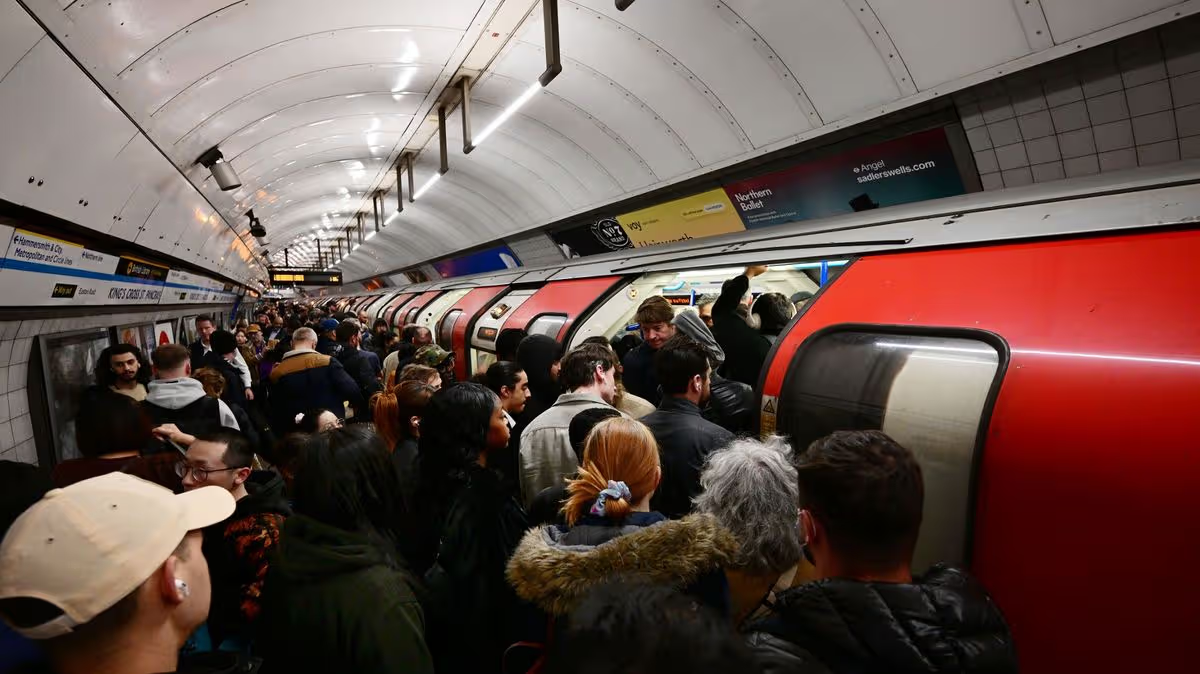
The repercussions of this deadlock extend far beyond the negotiating room, rippling out to disrupt the daily rhythms of London. Industrial action on the Tube network causes severe inconvenience to millions of commuters, businesses, and visitors, leading to overcrowded alternative routes, significant travel delays, and economic knock-on effects. Each canceled service or closed station underscores the essential role these workers play in the city’s infrastructure. The public, caught in the middle, often experiences the dispute as an abstract clash resulting in tangible hardship, which places pressure on both parties to resolve their differences. The disruption serves as a stark reminder of the delicate balance between implementing operational innovations and maintaining the reliable, safe service that a world city depends upon.
Ultimately, this conflict represents a modern industrial relations challenge, pitting a drive for operational flexibility and modernized work patterns against entrenched concerns for welfare and safety. TfL’s voluntary four-day week proposal highlights an attempt to adapt to changing workplace expectations, while the RMT’s vehement opposition underscores a deep-seated duty to protect its members from what it perceives as a dangerous precedent. Finding a resolution will require more than just compromise on hours; it will necessitate rebuilding dialogue, addressing the core, legitimate safety concerns about fatigue with concrete data and safeguards, and crafting an agreement that genuinely balances quality of life for employees with the unwavering demand for public safety. Until then, the specter of further disruption looms, a testament to the complex human and operational realities that run beneath the surface of the city.