


Paragraph 1
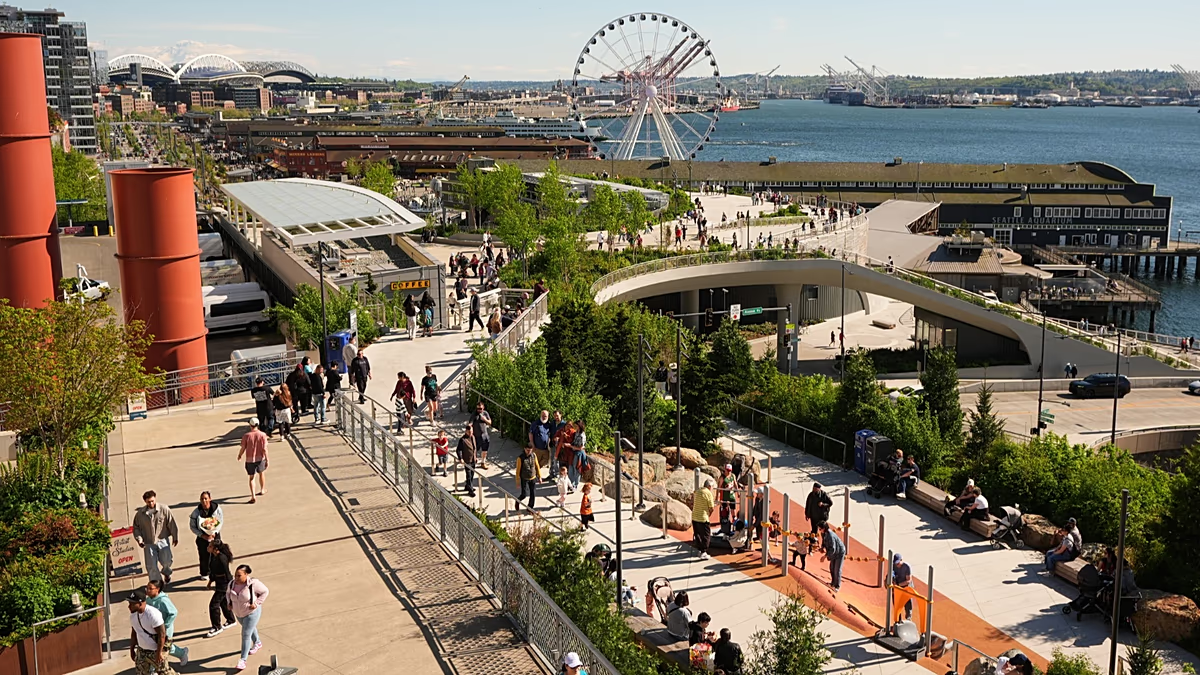
Seattle is preparing to welcome the world this summer by weaving the excitement of the FIFA World Cup directly into the fabric of its iconic waterfront. The city, known for its deep maritime roots, ferry culture, and love of the outdoors, is launching an ambitious “Seattle Soccer Celebration” that fuses football fervor with its seafaring identity. At the heart of this initiative is a novel floating fan zone and football pitch, constructed on a barge at Waterfront Park’s Pier 62. This temporary installation is more than just a spectacle; it’s a deliberate effort to blend the global tournament’s energy with local character, creating a unique destination that showcases Seattle’s stunning skyline and aquatic heritage to international visitors while serving its own community.
Paragraph 2
The project is a collaborative effort spearheaded by Seattle’s two professional football clubs, the MLS’s Sounders and the NWSL’s Reign. From June 11th to July 6th, the floating platform will become a vibrant hub of activity, hosting everything from youth clinics and cultural events to massive watch parties on a giant screen. As Hugh Weber, president of business operations for both teams, explained, the waterfront location was a natural choice. It provides a breathtaking “canvas” for global broadcasts and offers a first impression of Seattle’s beauty for many newcomers. The concept aims to create a personal and inviting point of connection, transforming the historic waterfront into a living room for the city to celebrate the beautiful game.
Paragraph 3
A powerful symbol at the center of this fan zone is the floating pitch itself. It represents the 52nd mini-pitch built in Washington state through the Rave Foundation, a legacy initiative designed to increase access to football in local communities ahead of the World Cup. This connection highlights a core goal that extends far beyond the tournament’s final whistle. Local organizers are keenly aware that hosting six matches at Lumen Field is a temporary honor. Their true mission is to leverage this global moment to cultivate a deeper, more permanent passion for football in the region, ensuring the event leaves a tangible, long-term benefit for grassroots sport.
Paragraph 4
This forward-thinking strategy directly addresses a key question posed by Weber and the teams: how do you convert casual tournament observers into lifelong fans? The floating celebration is part of a deliberate “engagement strategy” to make football feel exciting, accessible, and deeply connected to the Seattle community. By creating a free, welcoming, and uniquely Seattle space on the water—an official FIFA fan zone—they hope to attract those who may not have considered themselves football fans before. The aim is that the day after the World Cup leaves town, more people will feel a personal stake in the local teams and the sport itself, echoing the transformative effect the 1994 World Cup had on American soccer.
Paragraph 5
The scale of the opportunity is historic. This summer’s World Cup, spanning the U.S., Canada, and Mexico, will be the largest ever, with 48 nations competing in 104 matches. As one of 16 host cities, Seattle is poised on a global stage. The events at Lumen Field, which will host six crucial matches including knockout-round fixtures, are the main sporting attraction. However, the parallel creation of the waterfront fan zone demonstrates a holistic vision. The city isn’t just hosting games; it’s curating an immersive experience that extends the tournament’s reach from the stadium seats down to the very edge of Elliott Bay.
Paragraph 6
In essence, Seattle’s plan for the World Cup is a celebration of convergence. It’s where international football meets Pacific Northwest culture, where elite competition inspires community play, and where a fleeting global event is designed to plant enduring local roots. From ferries passing by a floating pitch to fans cheering under the summer sky against a backdrop of water and mountains, the city is crafting a chapter of World Cup history that is unmistakably and authentically its own. The legacy aspires to be twofold: unforgettable memories for the world, and a strengthened, more inclusive soccer culture for Seattle for generations to come.