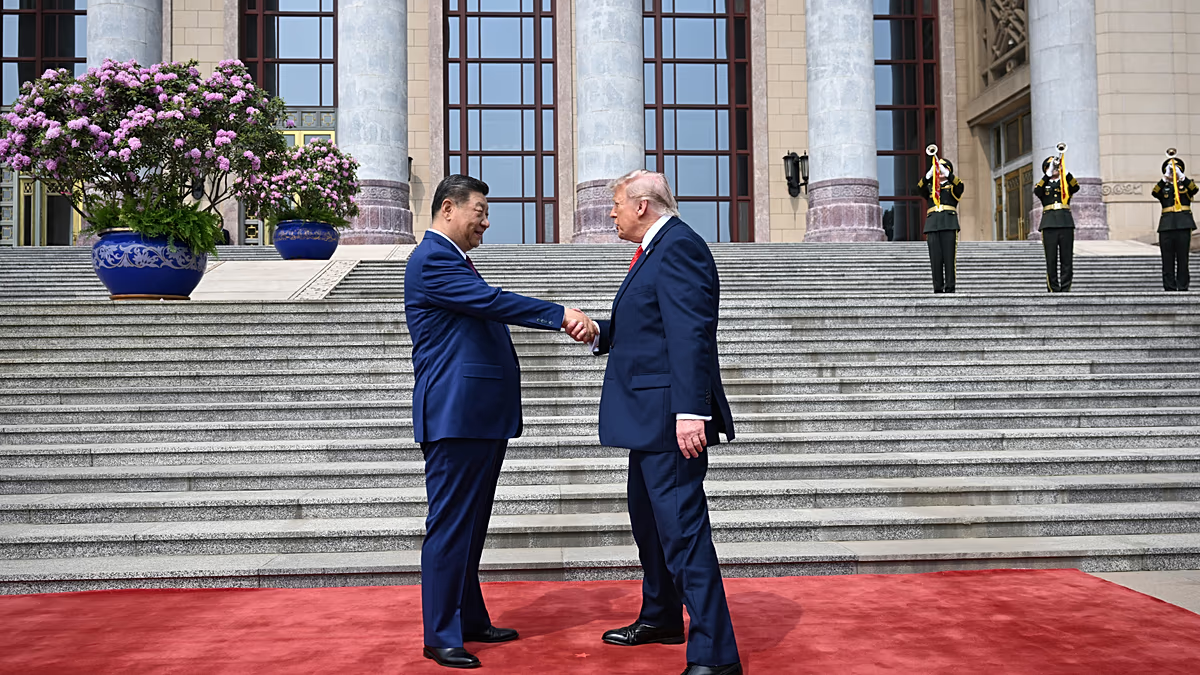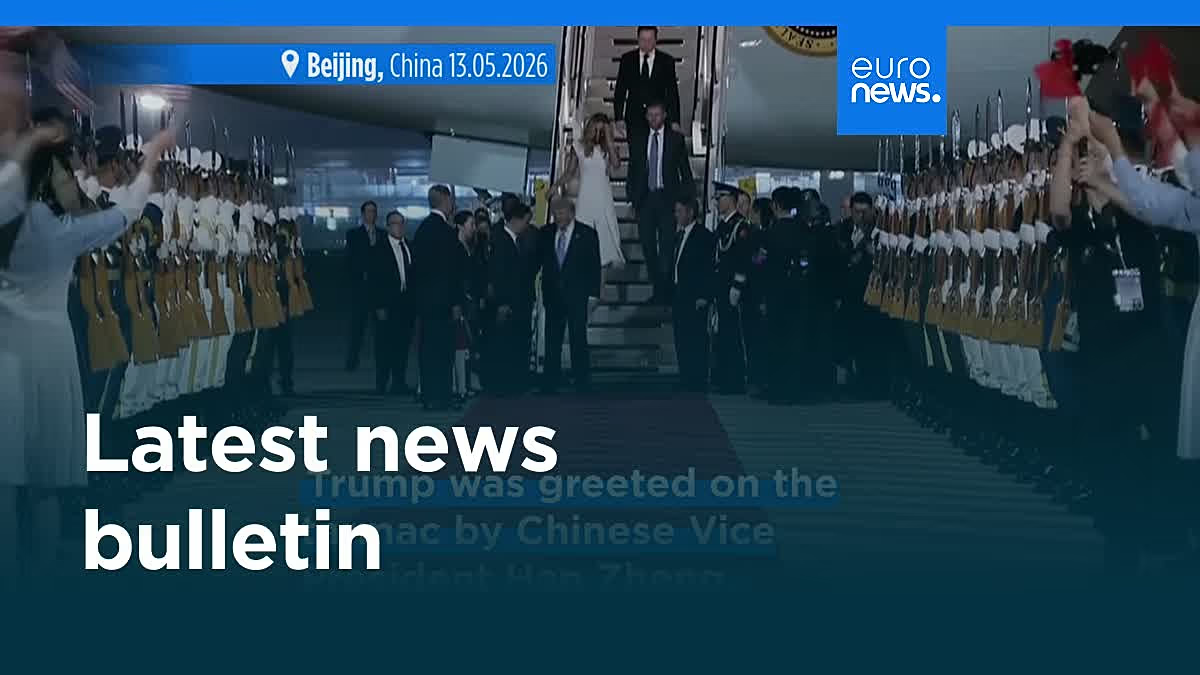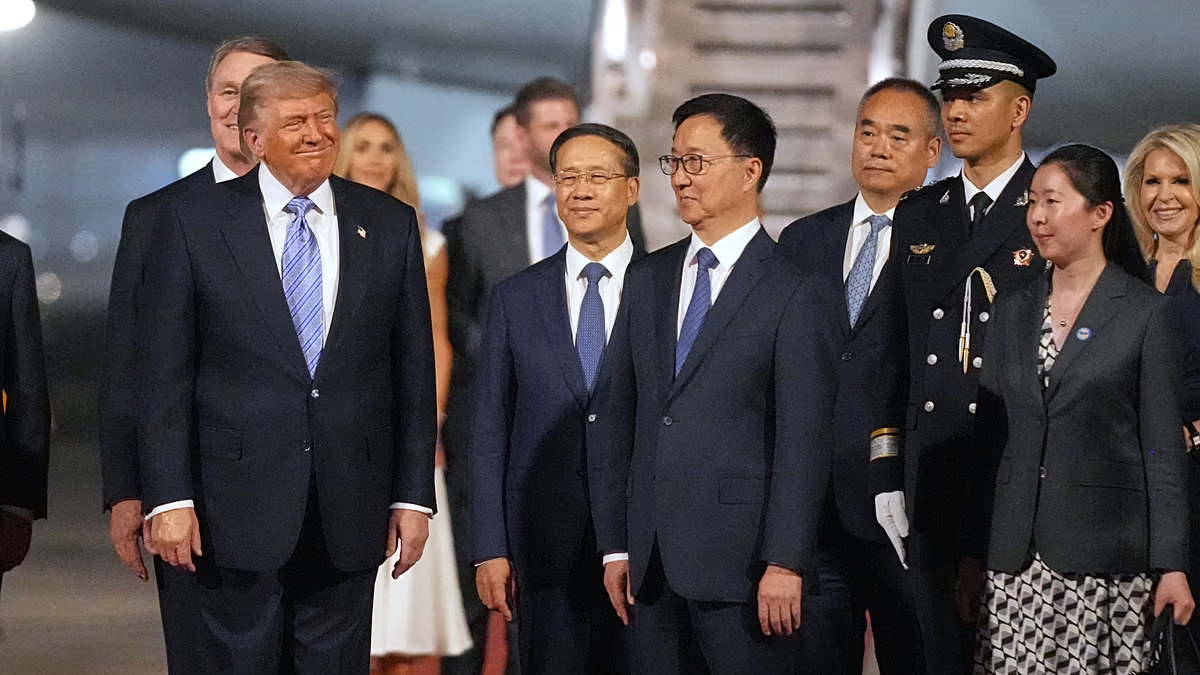



At a pivotal moment in U.S.-China relations, a constellation of America’s most influential technology and business leaders gathered in Beijing on Thursday. The high-level talks, held concurrently with President Trump’s state visit, underscored the delicate and deeply intertwined nature of the world’s largest economic relationship. Leading the delegation were figures like Elon Musk of Tesla and SpaceX, Apple’s Tim Cook, and NVIDIA’s Jensen Huang, whose companies represent trillions in market value and define the cutting edge of innovation. Their collective presence signaled a powerful, private-sector desire for engagement and stability, even amidst the complex geopolitical currents flowing between the two nations.
The meeting with Chinese Premier Li Qiang was rich with symbolic and substantive meaning. Premier Li, known for his pro-business stance and previous work in China’s major economic hubs, likely emphasized China’s continued commitment to a “win-win” cooperation and its vast market potential for foreign enterprises. For the CEOs, the dialogue represented a crucial opportunity to advocate for their interests, address regulatory concerns, and reaffirm their long-term commitments to the Chinese market. This face-to-face diplomacy at the highest levels is often essential for navigating the nuanced landscape of Chinese policy and maintaining operational continuity.
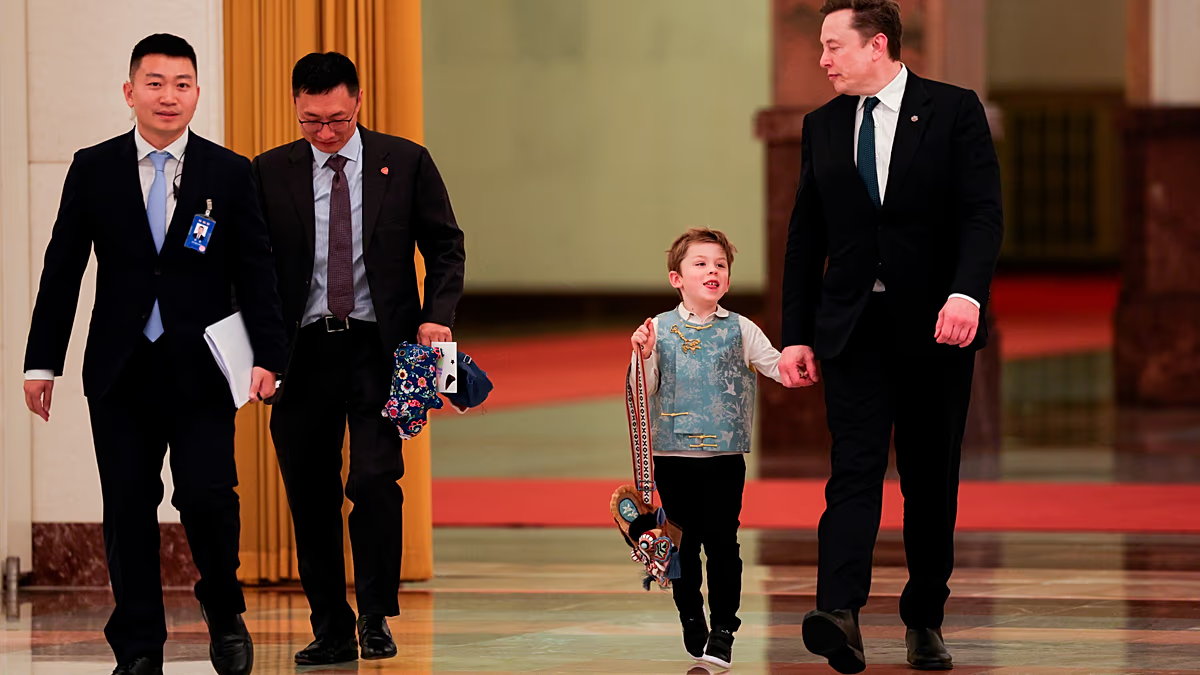
A particularly humanizing detail from the day was the sight of Elon Musk arriving at the events with his young son, X Æ A-Xii. This fleeting image, circulating widely, served as a poignant reminder of the personal dimensions within these grand diplomatic and corporate maneuvers. Beyond the titles of CEO and billionaire, here was a father navigating a major work trip, blending family with formidable responsibility. It subtly underscored that behind the headlines about trade deficits and technology competition are individuals with personal lives and, perhaps, hopes for a collaborative future that the next generation will inherit.
The timing of this business summit, alongside President Trump’s visit, created a fascinating dual-track engagement. While governmental discussions addressed broader strategic and often contentious issues like trade balances and security, the parallel business dialogue focused on the practical engines of the relationship: supply chains, investment, and joint innovation. This structure highlights how U.S.-China ties are multifaceted; even during periods of political friction, the commercial and technological ecosystems remain in constant, necessary conversation. The CEOs’ presence acted as a stabilizing force, emphasizing mutual economic dependence.
For the specific industries represented, the stakes could not be higher. Tim Cook’s Apple relies on a vast manufacturing network in China and counts the country as a critical sales market. Jensen Huang’s NVIDIA faces intense scrutiny and restrictions regarding advanced semiconductor exports. Elon Musk’s Tesla depends on its Shanghai gigafactory as a central pillar of its global production. Their direct engagement with China’s leadership is therefore not merely diplomatic courtesy but a core business imperative. It is a necessary effort to secure their positions, advocate for fair treatment, and understand the evolving regulatory environment firsthand.
In conclusion, this convergence of top US executives in Beijing during a presidential visit illustrates the enduring, if complicated, partnership between the two superpowers. The meetings transcended mere photo opportunities, representing a vital channel of communication and confidence-building. The human element, exemplified by a CEO traveling with his child, reminds us that the future of this relationship is shaped not just by abstract policies but by personal interactions and shared commercial interests. As the world watches, this blend of high-stakes diplomacy and grounded human connection will continue to define the path forward, where competition and cooperation must inevitably coexist.