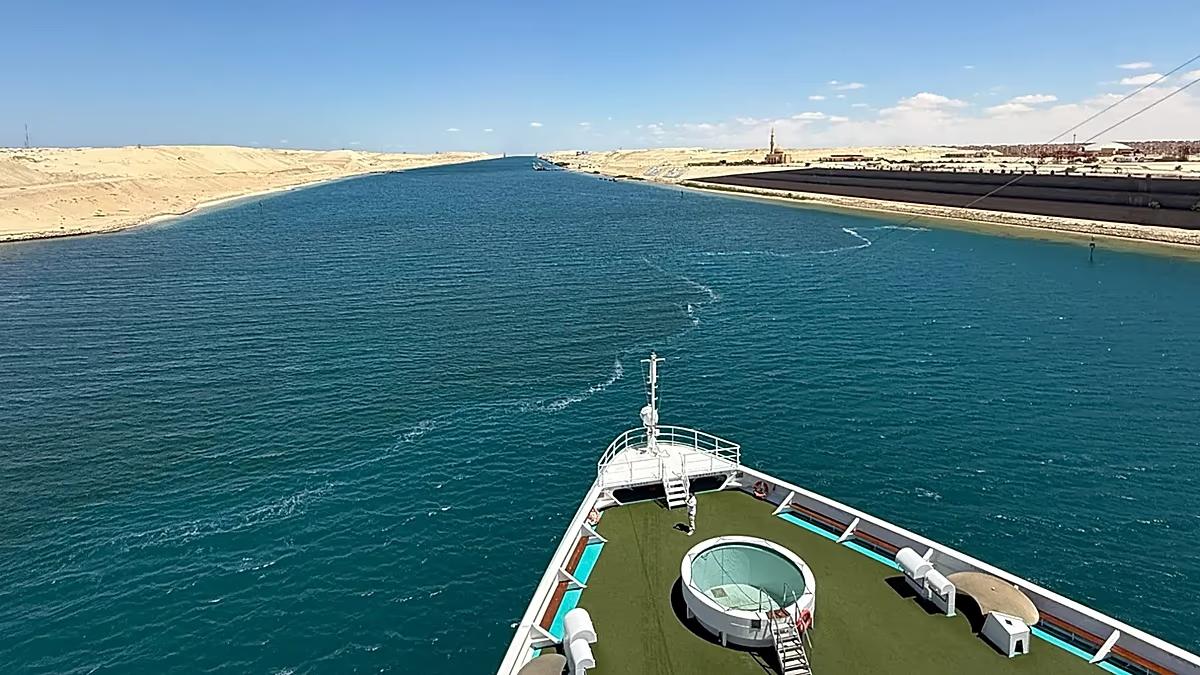
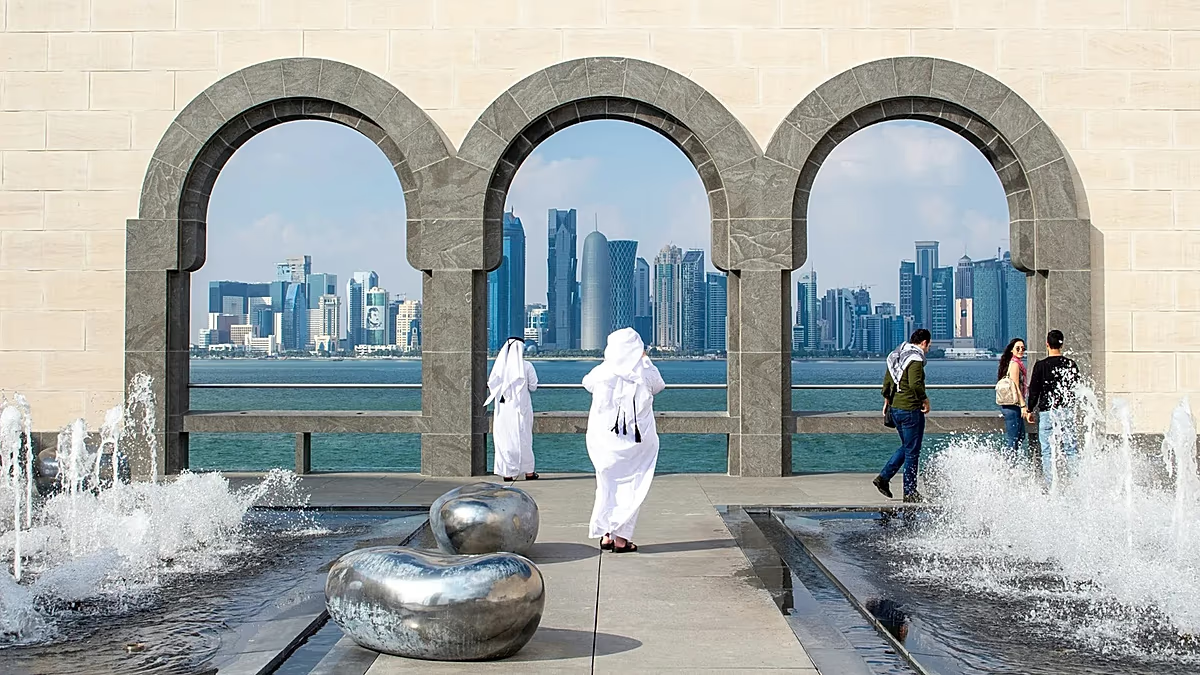


Following a period of significant regional disruption, Qatar’s tourism sector is confidently declaring that the nation is once again fully open and welcoming visitors. The message from the Gulf state is clear: after navigating one of its most challenging operational crises in recent years, the country has not only restored stability but is actively building momentum for a vibrant future. Abdulaziz Ali Al-Mawlawi, CEO of Visit Qatar, reflected on this difficult period in an interview with Euronews, drawing parallels to the resilience demonstrated during the COVID-19 pandemic. He emphasized that the core mission was to protect the experience and safety of every guest in Qatar, a destination that had welcomed five million visitors in 2025. The challenge was immense, involving the coordination of repatriation for over 12,000 international visitors, including 8,000 transit passengers, and assisting approximately 5,000 cruise passengers and crew when the Strait of Hormuz closure impacted vessels like the Celestyal Journey and Mein Schiff 5.
The response to the crisis was swift and comprehensive, underscoring Qatar’s commitment to its visitors. Authorities established a 24-hour hotline, provided WhatsApp updates, and issued social media alerts to coordinate repatriation efforts through Hamad International Airport. In a significant gesture of hospitality, Qatar Tourism enlisted 194 hotels to accommodate all stranded visitors for 15 days, covering all room fees and meals. Furthermore, the government processed around 8,000 emergency visas for transit travellers and offered visa extensions with overstay flexibility. Al-Mawlawi framed this decisive action as a reflection of national values: treating guests as family in their home. This foundational principle of hospitality now underpins the country’s recovery campaign, which is initially focusing on domestic tourism through summer festivals, beach activities, and family entertainment, before shifting its focus to international markets later in the year.
To catalyze this recovery, Qatar has launched its annual “Hala Summer” campaign, running through September. This initiative is a multifaceted effort to attract both local families and international leisure travellers. Hotels and resorts are offering special packages and seasonal menus, while a lineup of international concerts, including a performance by John Legend at the Qatar National Convention Centre, adds to the allure. Strategies like “kids go free” offers aim to boost domestic tourism, while the campaign simultaneously highlights Qatar’s luxury accommodations, shopping, and beachfront experiences. Al-Mawlawi points to the country’s unique blend of offerings—from diving with whale sharks and desert safaris to fine dining and modern retail—as its competitive advantage, asserting that Qatar provides a compact, diverse experience unmatched elsewhere.
Looking beyond the summer, Qatar’s calendar for the latter part of 2026 is packed with high-profile events designed to draw global attention. As cooler temperatures return, the country will host performances by legendary composer Hans Zimmer and global pop icon Shakira. The adrenaline-fueled Formula 1 Qatar Airways Grand Prix will return, alongside the prestigious Doha Jewellery & Watches Exhibition. These events are strategically chosen to reinforce Qatar’s position as a hub for luxury, culture, and world-class entertainment, creating a momentum that builds towards a busy winter season. This event-driven strategy is central to the nation’s vision of being a leading regional destination where modernity and heritage seamlessly coexist.
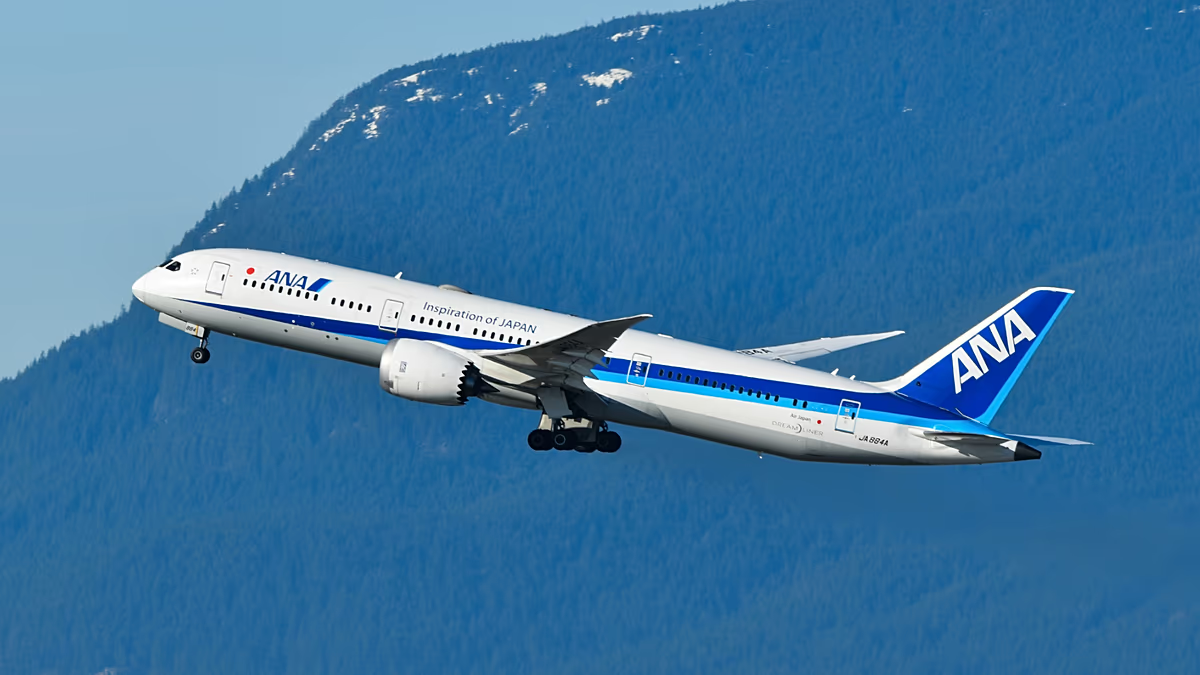
Supporting this tourism revival is the strategic expansion of Qatar Airways, the nation’s flag carrier. As regional airspace stabilizes and foreign carriers return to Doha, Qatar Airways is aggressively rebuilding its global network. From June 16, the airline will serve over 160 destinations worldwide. This expansion includes pioneering new routes, such as inaugural flights to Caracas and Bogotá in July—marking the first Gulf carrier entry into the Venezuelan market and establishing the first direct air links between the Middle East and these South American capitals. In Europe, services to Helsinki will resume and increase. This network growth is crucial, as it provides the essential connectivity to bring international visitors to Qatar’s expanding portfolio of events and experiences.
In conclusion, Qatar’s tourism sector has emerged from a turbulent period with a reinforced sense of purpose and a clear strategy. The extensive support provided to stranded visitors demonstrated a deep commitment to hospitality and safety, principles that now form the bedrock of its recovery message: “Qatar is back to normal, and we can always reassure that Qatar is always safe and secure.” By leveraging its unique mix of cultural authenticity and modern luxury, and through coordinated campaigns, major events, and airline network expansion, Qatar is not merely recovering; it is proactively shaping its future as a dynamic, resilient, and welcoming home for guests from all over the world. The sector is adopting new digital solutions and enhancing visitor experiences to ensure that the momentum built this summer carries strongly into the coming years.