



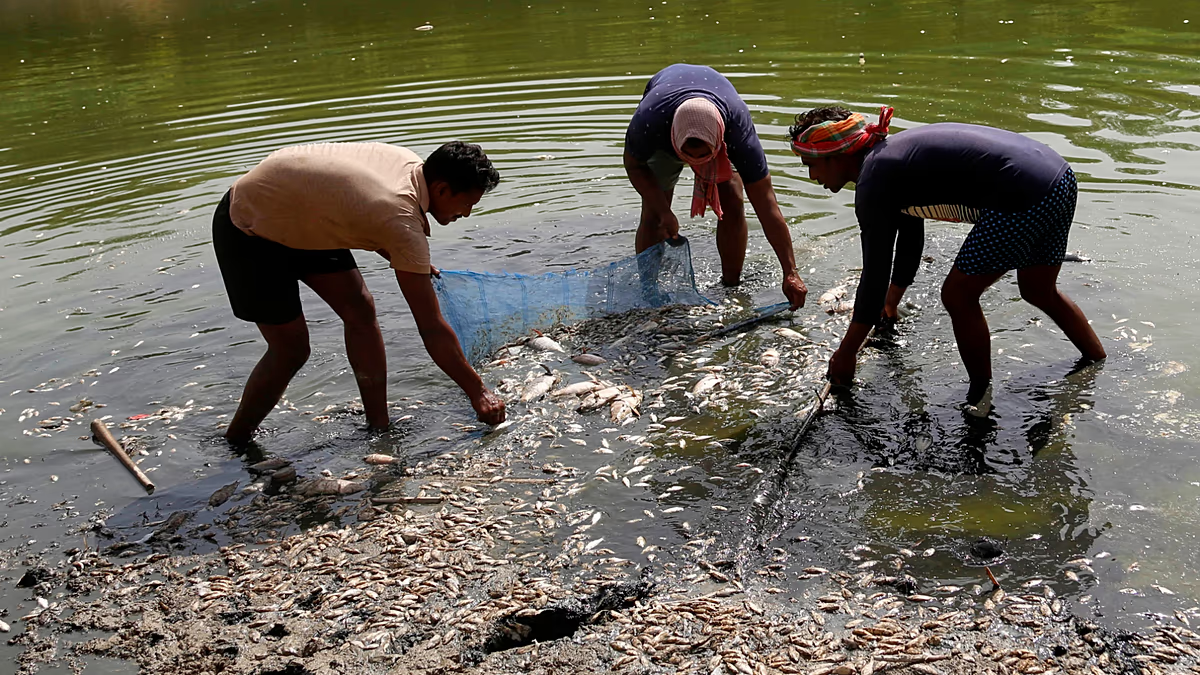
The searing image of residents gathering dead fish from a Delhi water body serves as a stark and somber portrait of a city, and a region, under extreme duress. As thermometers in the capital approached a blistering 45 degrees Celsius, this localized ecological collapse unfolded, its immediate cause not yet officially confirmed but widely understood. The grim scene is a direct consequence of a fundamental physical principle: warm water holds less oxygen. Under the relentless assault of a prolonged heatwave, the life-sustaining oxygen in these urban waterways simply dissolved away, creating an unlivable environment for aquatic life. This event is not an isolated tragedy, but a vivid symptom of the mounting environmental pressures being exacerbated by increasingly frequent and severe heatwaves across northern India.
The situation is far from over. The India Meteorological Department has issued warnings that these dangerously hot conditions are expected to persist across Delhi and neighbouring states like Uttar Pradesh and Haryana in the coming days. In India’s plains, the official threshold for a heatwave is crossed when temperatures soar beyond 40 degrees Celsius—a benchmark now being shattered with alarming regularity. This official declaration triggers a cascade of responses, but it also underscores a troubling new normal. What was once considered an extreme weather event is evolving into a protracted season of peril, stretching public resources and testing the resilience of infrastructure never designed for such consistent, furnace-like heat.
Behind these escalating numbers lies the broader, undeniable context of global climate change. Climate researchers consistently point out that rising worldwide temperatures are acting as a force multiplier, making heatwaves across South Asia not only more intense but also significantly longer in duration. The science is clear: a warmer atmosphere provides more energy for these high-pressure systems to establish themselves and persist. The result is a transformation of the regional climate, where periods of extreme heat arrive earlier, last longer, and push the mercury to previously unthinkable levels, turning cities into urban heat islands where concrete and asphalt amplify the sun’s punishing effects.
The human response to this escalating crisis reveals a society adapting—often painfully—to its new reality. In recent years, the rhythms of daily life have been forcibly altered to mitigate the heat’s deadliest impacts. Schools have been compelled to close early or shift to online instruction to protect children. Recognizing the mortal danger of afternoon sun, outdoor labor, particularly in construction and agriculture, has increasingly been pushed into the cooler, albeit more disruptive, nighttime hours. In several cities, municipal authorities have been forced to open emergency cooling shelters, offering a vital refuge for the most vulnerable—the elderly, the homeless, and those without access to air conditioning—during the peak of these heat emergencies.
Yet, the scene of the fish die-off forces a confrontation with a critical, often overlooked, dimension of this crisis: the profound strain on the natural world and the ecosystems upon which human communities also depend. The dying fish are a canary in the coalmine for aquatic ecosystems buckling under thermal stress. Rivers, lakes, and ponds are not merely scenery; they are vital resources for irrigation, for livestock, and in some cases, for community water supplies. Their degradation under relentless heat waves threatens food security, water quality, and biodiversity, creating a cascade of secondary crises that compound the immediate danger of the heat itself. The environmental distress signal is clear and urgent.
Ultimately, the unfolding situation in Delhi synthesizes the multifaceted challenge of climate change into a single, distressing tableau. It connects the global trend of rising temperatures to a specific, local ecological disaster. It illustrates the immediate human adaptations—the shifted work hours, the opened shelters—while hinting at the longer-term, systemic vulnerabilities being exposed. The dead fish are more than a casualty of a hot day; they are a symbol of systems, both natural and man-made, pushed to their breaking point. As the heat warning continues, the event stands as a potent reminder that resilience in the age of climate change requires not just coping with the heat in our homes and streets, but also safeguarding the fragile environmental balances that sustain life in all its forms.