
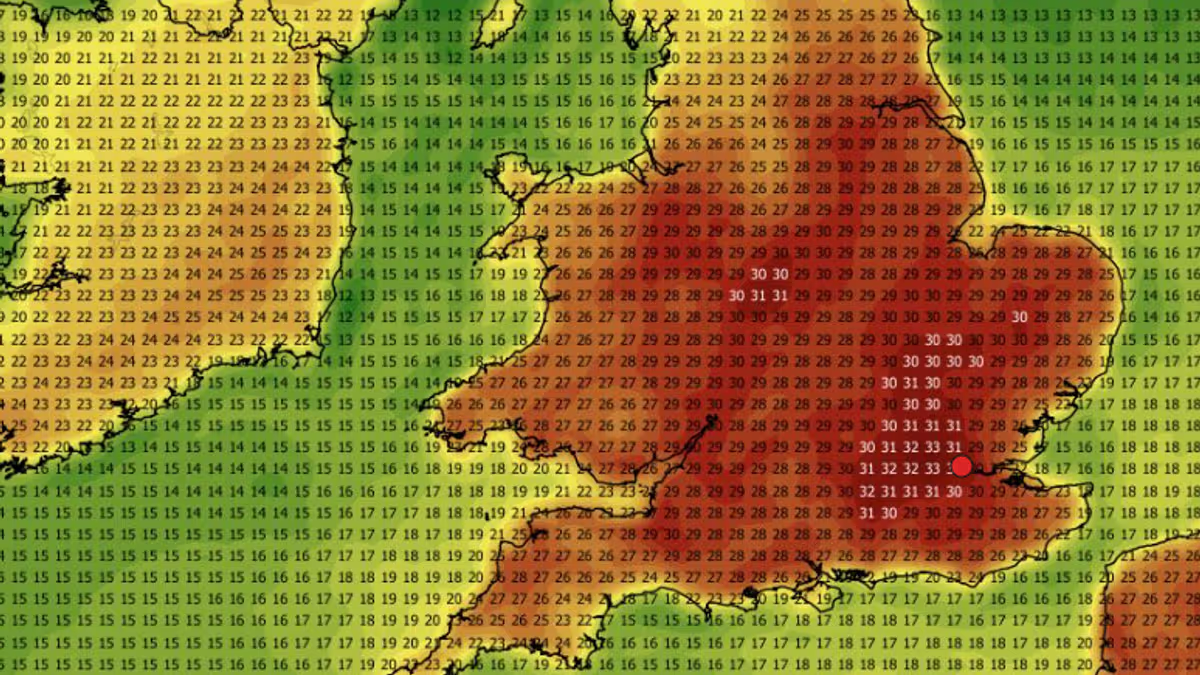


The promise of sunshine and soaring temperatures has become a hallmark of the late May Bank Holiday weekend, but this year, the forecast carries a more significant weight. The Met Office has issued a striking prediction, anticipating thermometers to climb to a record-breaking 33°C across parts of the United Kingdom. This potential milestone is not merely a statistic; it heralds the likely declaration of an official heatwave in at least four distinct regions. For millions, the long weekend now symbolizes a dramatic, sun-drenched departure from the typically temperate British spring, transforming parks, beaches, and gardens into scenes of midsummer revelry weeks ahead of schedule.
This anticipated surge in heat is far from uniform, painting a varied picture across the nation’s geography. While the southeast of England, particularly London and the Home Counties, is expected to bear the brunt of the intense warmth, other areas will experience a more familiar, albeit still very warm, holiday climate. The official heatwave threshold—a specific metric requiring three consecutive days of meeting or exceeding defined temperature limits, which vary by region—is poised to be met in several counties. This formal recognition underscores that the coming days are not just a pleasant spell but a significant meteorological event, one that demands attention and preparation alongside the celebration.
For the public, this forecast translates into a visceral experience of early summer. Imagining a Bank Holiday weekend bathed in such exceptional warmth conjures images of crowded coastal resorts, bustling beer gardens, and the familiar scent of sunscreen mingling with barbecue smoke. Families will likely flock to open spaces, seeking respite and recreation under the unusually potent sun. However, beneath this idyllic surface, the high temperatures carry important implications. Health authorities will inevitably reiterate advice on staying hydrated, seeking shade during the peak midday hours, and checking on vulnerable neighbours and relatives, for whom such heat can pose a serious risk.
The context of this forecast amplifies its significance. Should the 33°C mark be reached, it would not merely be a personal record for many thermometers but would challenge historical benchmarks for late May. This event fits into a broader, increasingly familiar pattern of earlier and more intense heat episodes in the UK, a trend observed by climate scientists in line with projections for a warming world. Therefore, the weekend’s weather becomes a point of reflection, a tangible data point in the ongoing conversation about our changing climate and its direct impact on British life and seasons.
From a practical standpoint, the declaration of an official heatwave triggers a cascade of planning and awareness. Transport networks may issue warnings about potential rail delays due to overheated tracks, while water companies could urge sensible usage amidst spikes in demand. Event organizers for the numerous fairs, festivals, and sporting events traditionally held over the holiday will be factoring in extra water stations and shaded areas. It’s a reminder that such extreme weather, while often welcomed for leisure, also tests the resilience of the nation’s infrastructure and public services.
In essence, the Met Office’s forecast paints a picture of a Bank Holiday transformed by exceptional circumstances. It is a weekend that promises the simple, profound joys of sunshine and communal outdoor life, offering a powerful tonic after the darker months. Yet, it also serves as a stark reminder of our new climatic reality, where record-breaking heat is becoming a more frequent visitor. As the nation prepares to enjoy—or endure—the soaring temperatures, the prevailing sentiment will be a complex blend of celebration and cautious awareness, marking a holiday that will be remembered not just for its festivities, but for the intense and record-challenging weather that defined it.