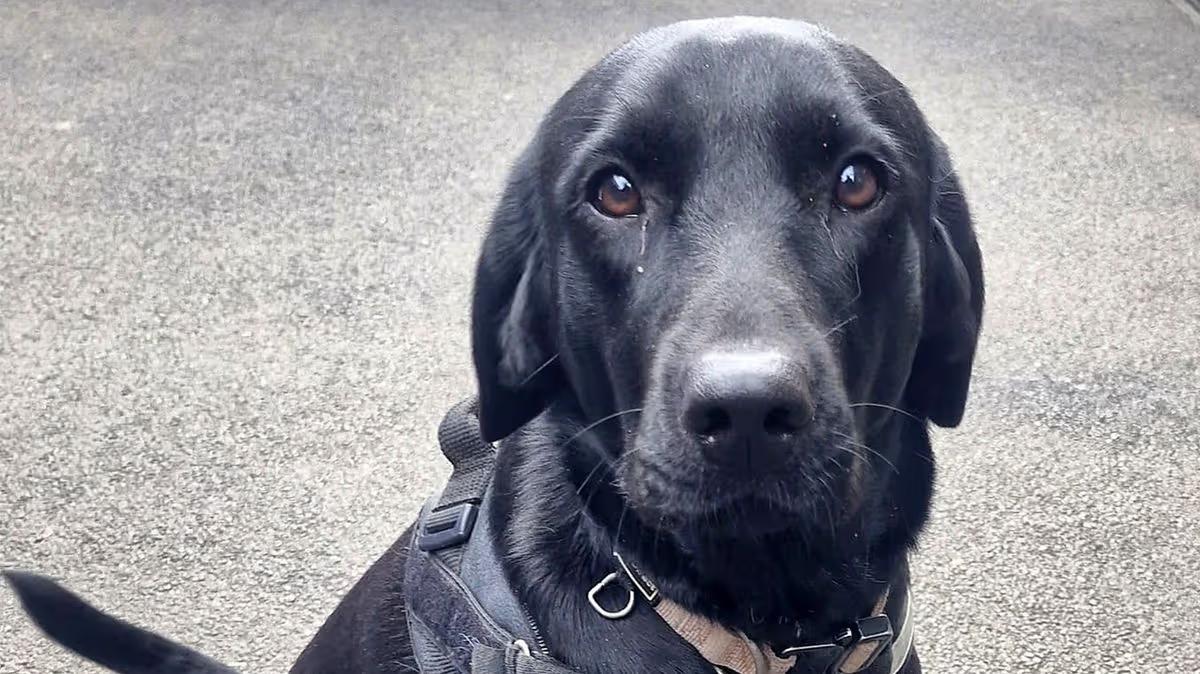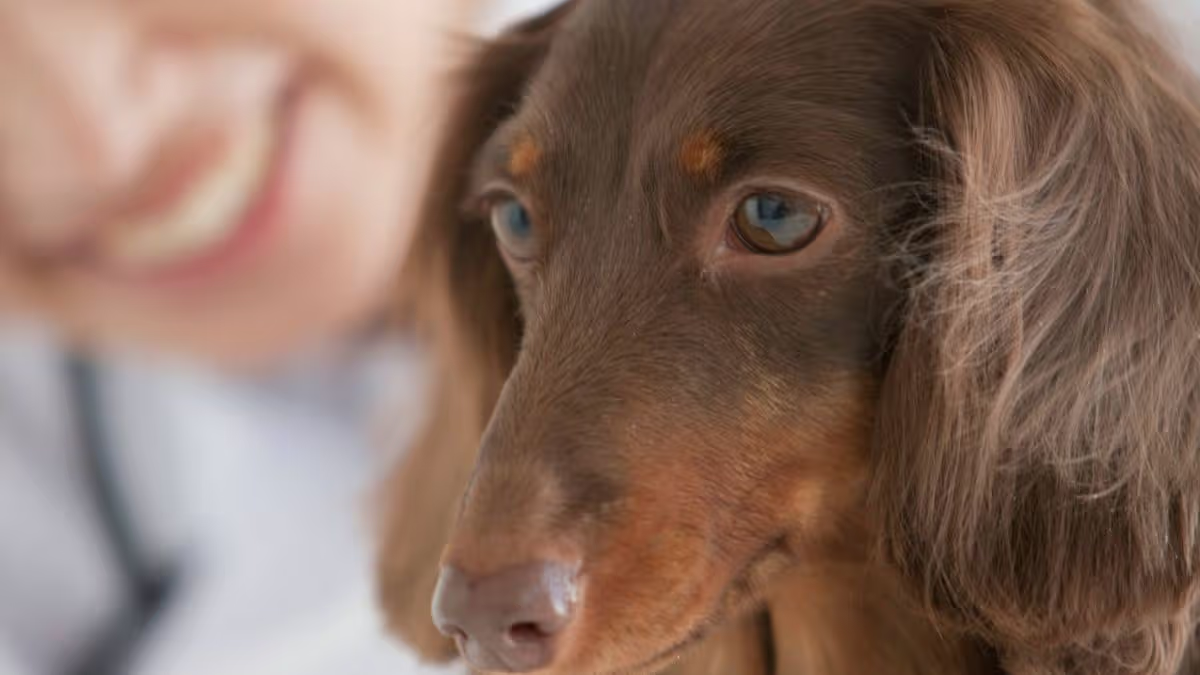




As Britons eagerly anticipate a welcome burst of sunshine and a Spring Bank Holiday weekend, a crucial warning has been issued to ensure our canine companions remain safe and healthy. The British Veterinary Association (BVA) has sounded the alarm ahead of predicted temperatures soaring to highs of 32°C in London and widespread warmth across the UK. This pleasant weather for humans presents a serious, often underestimated, threat to dogs. With many families planning outdoor activities over the long weekend, the BVA is urging a fundamental shift in routine: dog walks must be relegated to the cooler hours of early morning or late evening, strictly avoiding the midday heat. This simple adjustment is a vital preventative measure against heat-related illnesses that can tragically prove fatal.
The urgency of this advice stems from a fundamental biological difference between humans and dogs. Unlike us, dogs cannot efficiently cool themselves through sweating. Their primary mechanism for regulating body temperature is panting, which becomes significantly less effective in high heat and humidity. This makes them exceptionally vulnerable to overheating, a condition that can escalate rapidly. As BVA President Dr. Rob Williams emphasises, even a brief walk during the peak of the day or a few minutes locked inside a stationary car can have devastating consequences. Each summer, veterinary clinics nationwide report a distressing influx of cases involving heatstroke, burnt paw pads from hot pavements, sunburn, and severe breathing difficulties, with some dogs tragically succumbing to these conditions.
Certain dogs face an even greater risk and require extra vigilance. Flat-faced breeds, such as English Bulldogs, Pugs, and French Bulldogs, are particularly endangered. Their shortened airways and compressed muzzles inherently impair breathing, making the essential act of panting for cooling less efficient and more laborious. Similarly, older dogs, overweight pets, those with pre-existing heart or lung conditions, and dogs with dense coats are more susceptible to heat stress. For these animals, the guidelines are not merely suggestions but essential protections. Owners of such breeds must be exceptionally cautious, prioritising comfort and coolness over exercise during hot spells.
Recognising the early signs of heatstroke is a lifesaving skill for any dog owner. The BVA highlights key symptoms that demand immediate attention: excessive, heavy panting; profuse drooling; noticeable restlessness or agitation; gums that appear unusually bright red or, conversely, very pale; and a loss of coordination or stumbling. If these signs are observed, swift action is paramount. The dog must be moved to a cool, well-ventilated place immediately. Offer small amounts of cold water to drink if they are able, and begin actively cooling their body by pouring cool (not ice-cold) water over them, particularly focusing on the head, neck, and paw areas. This emergency first aid must then be followed by contacting a veterinarian without delay for urgent professional advice.
Beyond adjusting walk times and recognising emergencies, the BVA provides a set of clear, practical tips for holistic hot-weather care. The cornerstone is ensuring constant access to fresh drinking water, ample shade, and good ventilation, whether indoors or outdoors. Indoors, cooling aids like fans or cooling mats can offer relief. A highly recommended practice is the “five-second tarmac test” before any walk: place your own palm firmly on the pavement for five seconds. If the surface feels uncomfortably hot to you, it is certainly hot enough to burn your dog’s paw pads, and the walk should be postponed. Furthermore, the association reiterates the absolute prohibition of leaving dogs in vehicles, even for short periods with windows slightly open. A car can become a lethal oven in minutes. If you see a dog in distress in a hot car, the instructed action is to call 999 immediately.
Ultimately, this warning from the British Veterinary Association serves as a compassionate reminder of our responsibility as pet owners. The coming sunny spell and Bank Holiday festivities should be a source of joy for the entire family, including our dogs. By embracing a few mindful adjustments—walking during cooler hours, conducting the pavement test, providing constant water and shade, and learning the signs of heatstroke—we can seamlessly integrate safety into our summer plans. These actions ensure that our beloved pets can enjoy the season alongside us, free from distress and danger, allowing everyone to bask safely in the long-awaited sunshine.