

A Tapestry of Sound and Solidarity: Paris Concert Celebrates Lebanon Amid Crisis
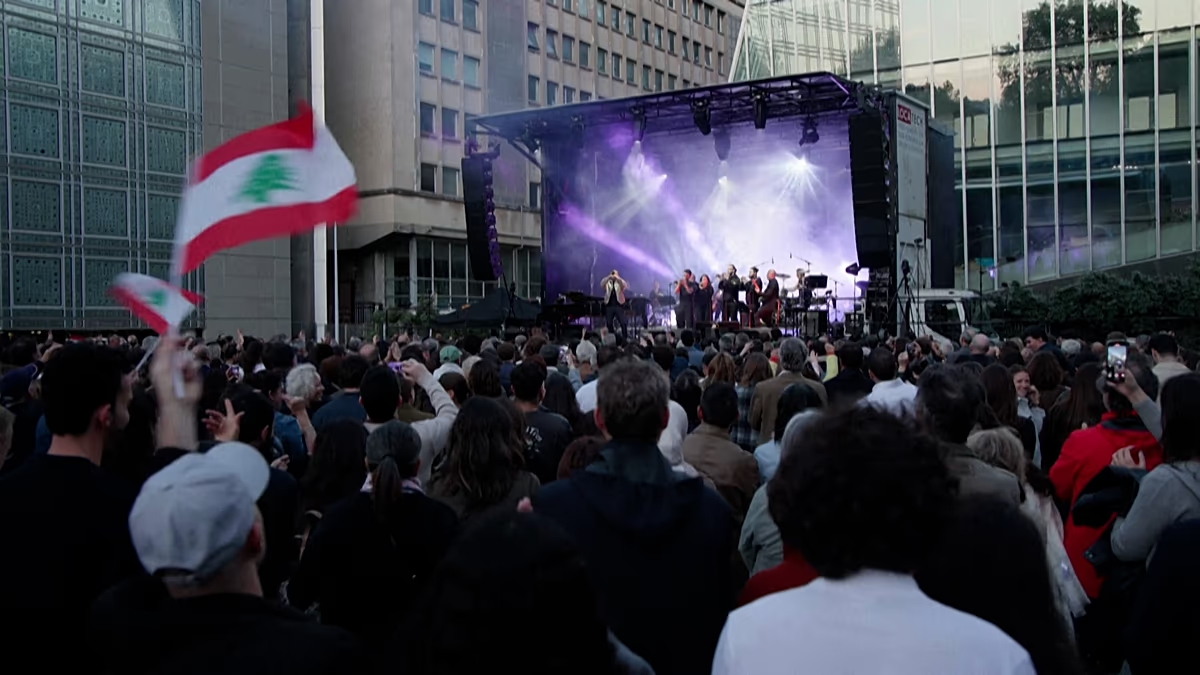
On a Parisian evening, the forecourt of the Institut du monde arabe was transformed into a vibrant enclave of cultural resonance and heartfelt solidarity. Under the masterful artistic direction of the Franco-Lebanese trumpeter and composer Ibrahim Maalouf, the event was far more than a simple musical gathering. It was a deliberate and poignant assembly, curated to showcase the rich, enduring spirit of Lebanon. Joined by the celebrated Lebanese singer Hiba Tawaji and a diverse ensemble of approximately twenty artists, Maalouf orchestrated a seamless musical journey that wove together the intricate threads of jazz, the profound melodies of traditional Arabic music, the universal appeal of pop, and the poetic intimacy of French chanson. This fusion created a powerful auditory narrative, symbolizing the blend of influences that define the modern Lebanese identity—a identity that persists and flourishes even from afar. The audience, largely comprised of members of the extensive Lebanese diaspora, was not merely present as spectators; they were essential participants in a collective act of remembrance and affirmation, their very presence reinforcing the bonds of community stretched across continents.
The profound significance of the evening was rooted in its dual purpose, masterfully intertwining celebration with humanitarian mission. While the air was filled with captivating rhythms and soul-stirring vocals, the underlying imperative remained clear: to provide tangible support for a homeland in distress. Organizers explicitly framed the concert as a solidarity initiative, a direct response to the ongoing instability and displacement plaguing Lebanon. Every ticket purchased and every donation collected during the emotionally charged evening was designated to fuel humanitarian operations on the ground. The funds were channeled through established and reputable French aid pathways, specifically the Crisis and Support Centre of the French Ministry for Europe and Foreign Affairs and the Fondation de France. These organizations collaborate with trusted local partners in Lebanon to address urgent needs, focusing on critical areas like emergency housing and the restoration of essential services, thereby offering a lifeline to those caught in the cycle of crisis.
For the attendees, the experience transcended the typical concert format, evolving into a deeply emotional testament to cultural endurance. Several spectators shared that the performance served as a powerful and moving reminder of Lebanon’s true identity—an identity defined not by the relentless headlines of conflict, but by its unparalleled artistic heritage and creative vitality. In the heart of Paris, thousands of miles from the turmoil, the sounds of the oud, the trumpet, and the voice became acts of peaceful resistance. They represented the Lebanon of bustling Beirut cafes, of poetic literary salons, and of innovative artistic movements; a Lebanon that refuses to be silenced. This cultural reaffirmation provided a profound sense of solace and pride, especially for those in the diaspora who often feel connected to their homeland through a prism of worry and tragedy. The event became a space to celebrate what persists and what is beautiful, offering a counter-narrative to one of despair.
This concert is not an isolated gesture but part of a broader, sustained pattern of support emanating from the French capital. Since the devastating escalation of violence along the Israeli-Lebanese border, Paris has repeatedly served as a crucial staging ground for awareness and aid initiatives aimed at Lebanon. The city, with its historic ties and large Lebanese community, has become a nexus for such efforts, reflecting a continued commitment to the country’s fate. These repeated events—from galas and exhibitions to forums and concerts like this one—form a continuum of engagement, ensuring that Lebanon’s plight remains in the international conscience and that streams of support, both financial and moral, are continually regenerated. They signify a recognition that the crisis is not a fleeting emergency but a protracted situation requiring persistent attention and allyship.
The choice of Ibrahim Maalouf as artistic director was particularly resonant. As a figure who himself bridges cultures—born in Lebanon, raised in France, and globally acclaimed—Maalouf embodies the very synthesis the evening championed. His artistic vision ensured the event was neither a purely traditional folklore display nor a completely Westernized performance. Instead, it was a dialogue, a modern and sophisticated conversation between musical languages. This artistic approach mirrored the evening’s deeper message: that supporting Lebanon means engaging with its complex, multifaceted, and contemporary reality. The collaboration with Hiba Tawaji, a artist who has successfully navigated both Arabic and Western musical theaters, further solidified this message, presenting Lebanese artistry as dynamic, evolving, and universally compelling.
In essence, the evening on the forecourt of the Institut du monde arabe stood as a powerful metaphor for hope and proactive compassion. It demonstrated how cultural expression can be harnessed as a potent vehicle for humanitarian action, creating a space where beauty and empathy operate in concert. The melodies that drifted over the Seine that night carried with them the weight of a nation’s struggles but also the soaring lightness of its unbreakable spirit. For the Lebanese diaspora, it was a night of healing pride; for the cause of relief in Lebanon, it was a conduit for crucial resources; and for all present, it was a testament to the enduring power of art to unite, to define identity beyond conflict, and to inspire tangible solidarity in times of profound need. The concert affirmed that even from a distance, the song for Lebanon continues, both as a cherished refrain from the past and a determined chorus for its future.