


The Drone Warriors of Ukraine: How Competition Forges Skill and Morale on the Digital Frontline
In the grueling, static battlefields of Ukraine’s war, a quiet revolution in military training is taking place, one that merges the high-stakes pressure of combat with the competitive thrill of sport. Across various Ukrainian military units, commanders have institutionalized a unique system of tournaments and point-based competitions designed to hone the speed, precision, and coordination of their drone pilots. While tantalizing reports of a specific “Wild Drones” competition circulate, the broader practice is now a well-established pillar of the defense sector’s training regimen. This is not a mere pastime; it is a deliberate, tactical evolution born from necessity, transforming recreational drone racing principles into a critical survival skill for the modern battlefield.
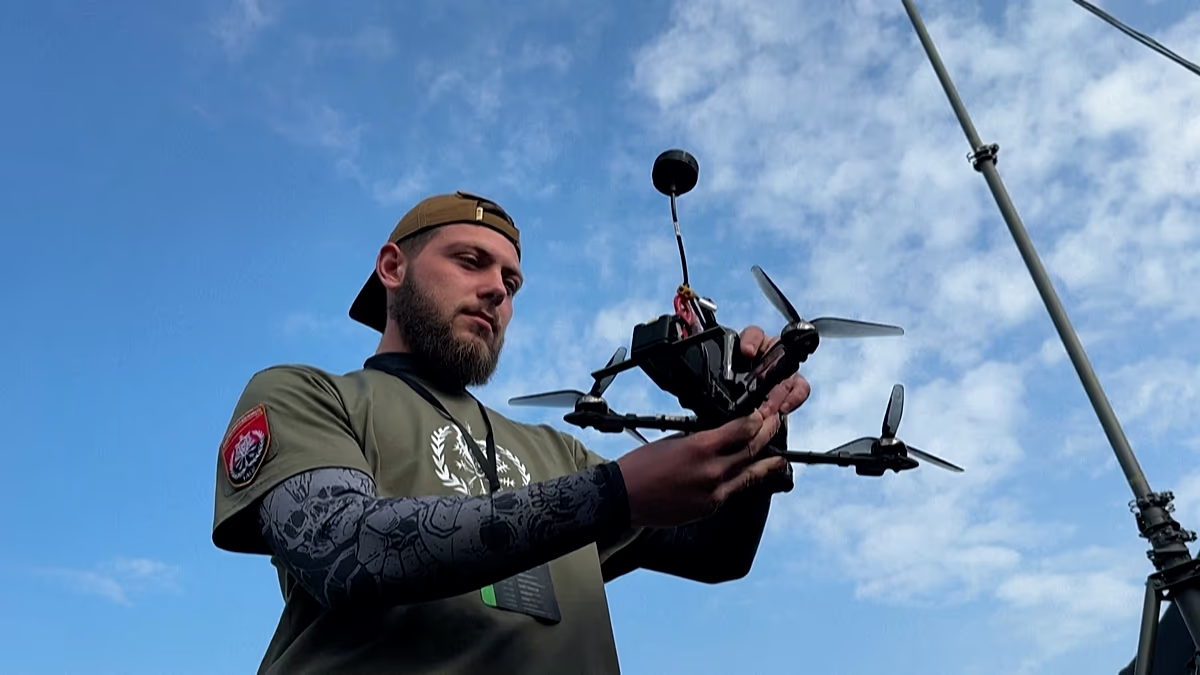
The core of this training is intensely practical. Operators practice by piloting their first-person-view (FPV) drones at breakneck speeds through complex obstacle courses that are meticulous simulations of the warzone. These courses replicate the terrifying clutter of the front: weaving through skeletal ruins of buildings, darting over the zigzag patterns of trench networks, and navigating the dense, low-hanging branches of wooded terrain. Military analysts note that these exercises do more than improve basic flight control. They train pilots to maintain that control under the immense psychological and technical duress of electronic jamming and simulated hostile fire. Furthermore, they serve as a vital laboratory for commanders, allowing them to observe, under controlled stress, which tactics are most effective and which crews demonstrate the exceptional synergy and coolness under pressure required for real missions.
This focus on drone proficiency is a direct reflection of the war’s stark reality. Drones have moved from a supporting tool to a central protagonist in the conflict, with both sides deploying thousands daily across the front line. Ukraine, in particular, has responded by building a comprehensive and innovative “army of drones” ecosystem. This extends far beyond the pilots themselves, encompassing specialized training schools, technology hubs for rapid adaptation and repair, and sophisticated software platforms that stream live reconnaissance footage directly into the decision-making loops of battlefield commanders. In this context, the small, agile FPV drone has become a ubiquitous and fearsome instrument, used for both surveillance and as a precision-guided munition against moving targets like vehicles and infantry.
It is here that the genius of the competitive training model truly shines. By adopting the ethos and intensity of civilian drone racing, the military has found a powerful tool to prepare operators for the inhuman demands of combat without initially exposing them to its mortal dangers. The skills are directly transferable: the reflexive maneuvering, the depth perception through a screen, the split-second decision-making required to thread a needle at 80 kilometers per hour. This method allows for rapid, scalable training that turns gamers and hobbyists into effective military operators in a fraction of the time traditional methods might require, a crucial advantage in a war of attrition.
Beyond the clear tactical benefits, Ukrainian officials and military volunteers emphasize a profound psychological impact. For units operating under the constant, grinding pressure of artillery barrages and assaults since the full-scale invasion began in February 2022, these tournaments provide a vital boost to morale and unit cohesion. They inject a spirit of play, camaraderie, and healthy rivalry into an environment defined by trauma and exhaustion. Recognizing and rewarding skill in this tangible way fosters pride, provides a mental respite from the horrors of trench warfare, and helps maintain focus and combat effectiveness. It is a testament to the resilience of the human spirit, finding a way to channel stress into structured competition.
In summary, Ukraine’s integration of drone tournaments is far more than a novel training footnote. It represents a holistic adaptation to the war’s character, addressing simultaneous needs: the technical requirement for extreme pilot skill in a drone-saturated battlespace, the strategic need for rapid, effective training, and the human need to sustain the morale and fighting spirit of its defenders. By turning to the world of competitive racing, Ukraine has not only accelerated the creation of a cutting-edge drone corps but has also forged a psychological tool that helps its soldiers endure the unendurable, proving that even in the darkest of conflicts, the drive to excel, to compete, and to master a skill remains a powerful force for resilience.