


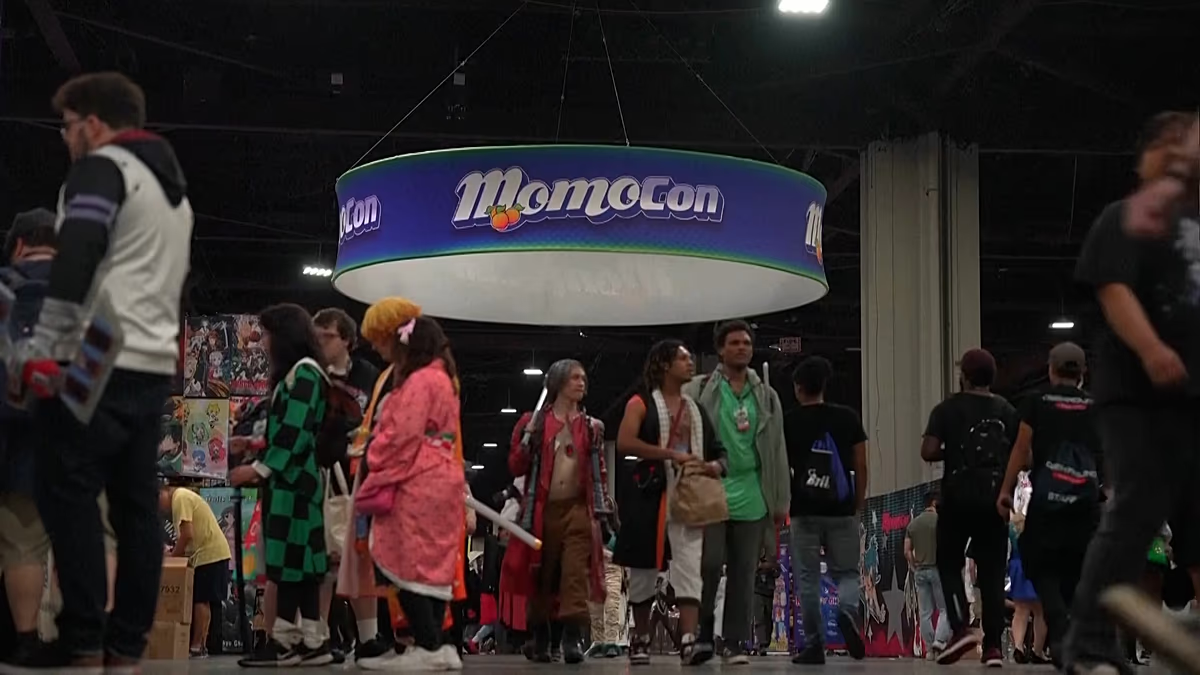
The Georgia World Congress Center vibrates with a palpable energy, a kaleidoscope of color and creativity as tens of thousands of fans converge for MomoCon. Organizers anticipate approximately 65,000 visitors over the four-day event, transforming the venue’s sprawling million-square-foot exhibition space into a living tapestry of pop culture. Fans dressed as characters from video games, manga, and blockbuster films weave through the crowds, their elaborate costumes a testament to personal passion and artistry. The atmosphere is one of bustling commerce and shared enthusiasm: attendees queue patiently for autographs from creators, browse aisles laden with handmade collectibles, and compete intently in gaming tournaments. Vendors showcase everything from meticulously crafted figurines to custom artwork, while the air hums with conversation and the sounds from countless screens. For many, this gathering transcends a simple marketplace; it offers a rare and cherished sense of community and authentic self-expression, a place where personal fandoms are not niche interests but a common language.
This sense of belonging extends far beyond the official schedule, flourishing in the organic, unofficial meet-ups that pepper the convention. These impromptu gatherings are the heartbeat of the event, where connections deepen over shared obsessions. Fans spontaneously congregate to discuss niche indie games, celebrate obscure 1990s cartoons, or simply admire each other’s craftsmanship. These moments underscore that MomoCon is more than a spectacle—it is a social ecosystem. It provides a sanctuary where individuals can shed everyday inhibitions and fully embody their passions alongside like-minded people. The convention becomes a temporary home, a place where the often-isolated experiences of being a fan are transformed into collective joy and mutual recognition.
The scale of this community is a testament to MomoCon’s extraordinary evolution. USA organisers reflect on its humble beginnings just 21 years ago on the Georgia Tech campus, where it welcomed a mere 700 attendees. Its growth trajectory is a source of pride and amusement among long-time fans. One running in-joke poignantly captures this expansion: “You can measure your age in how many buildings MomoCon used to fit into.” This quip nods to the convention’s journey from occupying student rooms and small halls to now commanding one of the largest convention centers in the Southeast. This physical growth mirrors the explosive growth of geek culture itself, from a subculture to a mainstream economic and social force. Media director Renee Cooper underscores this significance, estimating that the gathering could generate over €39 million for Atlanta through hotels, restaurants, and ancillary tourism. MomoCon is no longer just a fan event; it is a major economic engine for the city.
This economic impact is deeply personal for the hundreds of artists and small businesses that form the core of the convention’s marketplace. For many, MomoCon is a critical pillar of their financial year. A single successful weekend here can represent the difference between merely breaking even and turning a sustainable profit for the entire quarter. The aisles are lined with booths where independent creators sell hand-painted sculptures, original prints, and unique apparel, each sale directly supporting their craft. Beyond revenue, the convention offers invaluable exposure and direct audience engagement. For independent game developers, securing a booth is as much about live play-testing and generating word-of-mouth buzz as it is about direct sales. The immediate feedback from passionate players, the sight of someone engrossed in their creation, and the connections made with peers and potential collaborators are irreplaceable assets that fuel their projects long after the convention ends.
As the festival continues through May 24th, the cycles of celebration, commerce, and connection repeat daily, each hour bringing new interactions and experiences. The rhythm of the event is a blend of structured programming and spontaneous discovery. Panels with industry insiders, competitive gaming finals, and cosister competitions offer formalized highlights, while the constant exploration of the exhibition floor promises unexpected delights. This balance ensures that MomoCon caters to every type of attendee—from the hardcore competitor to the casual browser, from the veteran artist to the first-time cosister. The collective experience builds a narrative not just of fandom, but of support; it’s a micro-economy where fans directly empower creators, and creators in turn fuel the fans’ passions with new artifacts and stories.
Ultimately, MomoCon stands as a vibrant testament to the power of shared passion. It is a phenomenon that has grown from a campus club gathering into a city-wide celebration, demonstrating how niche communities can flourish and drive significant cultural and economic activity. It provides a vital platform for self-expression, a crucial marketplace for independent creators, and a substantial boost to the local economy. More than the sum of its attendees, vendors, or square footage, it is a temporary city built on the foundations of imagination and belonging. As costumes are packed away and booths are dismantled, the resonance of the convention lingers—in the profits that will fund another year of artistry, in the games that will be improved based on player feedback, and in the strengthened sense of community among thousands who found, for four days, a place where they truly fit.