
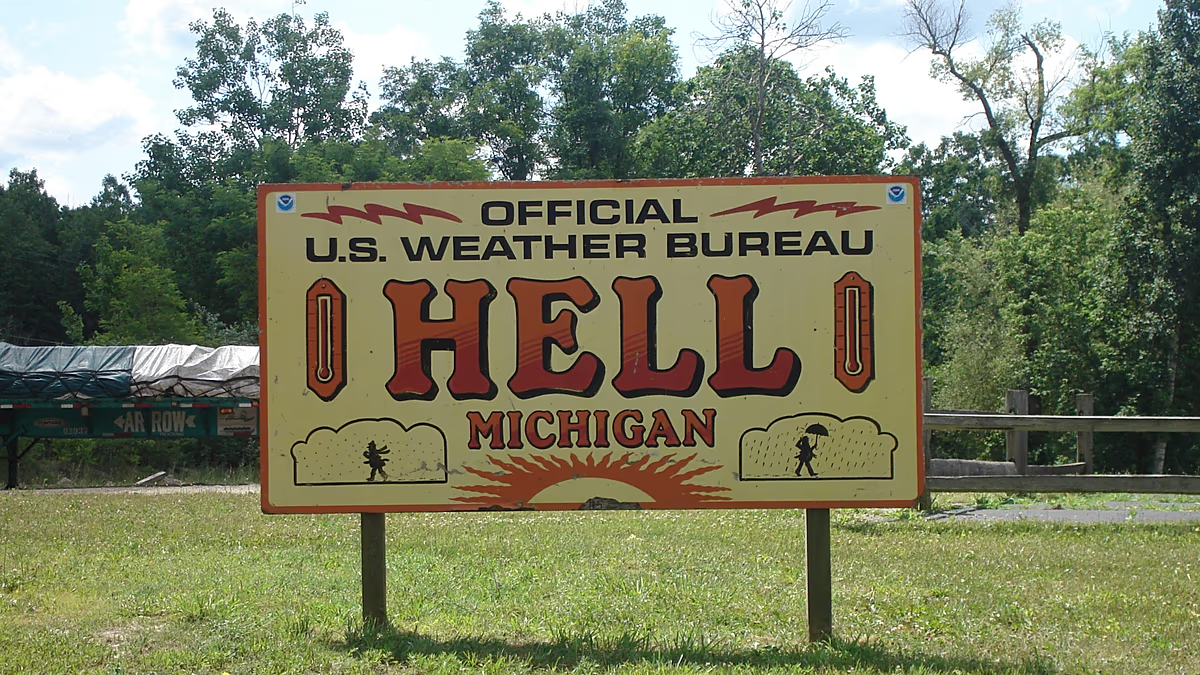


For a cool $625,000, you could become the new proprietor of a uniquely American slice of purgatory. Nestled in the woodlands of Michigan, the famously named town of Hell is putting its core commercial hub—a seven-acre property brimming with infernal kitsch—up for sale. This isn’t just a plot of land; it’s the beating heart of a community that has built its entire identity around a playful embrace of the diabolical. The package includes a mini-golf course, an ice cream parlour aptly named The Crematory, and a popular wedding chapel, all curated under a canopy of tongue-in-cheek charm. For nearly three decades, 80-year-old owner John Colone has presided over this “Gateway to Hell,” but now, seeking retirement, he’s decided it’s time to finally get out of Hell for good, offering a rare chance for a new steward to take the reins of this profitable and peculiar enterprise.
This town is far more than a mere novelty; it’s a living, breathing community with a history stretching back to 1838, when it was first established, officially adopting its memorable name three years later. Legends abound about its origins, ranging from a founder’s exasperated comment about the rugged terrain being “a hell of a place to live,” to stories of travelers remarking on its beauty by saying, “It’s hell of a place.” Whatever the true source, the name stuck, and the residents have spent over a century leaning into the joke with warmth and wit. Situated about 20 miles northwest of the collegiate hub of Ann Arbor, Hell has evolved from a quiet rural spot into a beloved tourist destination for those seeking an experience off the beaten path, proving that a little humour can be a powerful draw.
The businesses for sale are the epicenter of Hell’s appeal, each one a testament to creative, hell-themed marketing. The wedding chapel, for instance, is a surprisingly popular venue for couples looking to start their union with a sense of humour and a memorable story. As the town’s website jests, “A marriage that starts in Hell has no place to go but up!” Meanwhile, The Crematory dishes out sweet relief instead of fiery punishment, and the mini-golf course offers a leisurely activity amidst the themed fun. Not included in the sale but central to the town’s social life is the Hell Saloon, a restaurant and music venue that provides a cozy respite and a gathering place for both locals and visitors, showcasing the genuine community that exists behind the devilish façade.
Adding a layer of literal charm to the metaphorical one, the local climate provides its own punchline. Given its Michigan location, Hell experiences harsh, freezing winters, leading to the beloved annual phenomenon where the town, quite literally, freezes over. This meteorological irony is a source of great pride and yet more playful sloganeering, beautifully illustrating how the community turns every aspect of its existence into part of the themed experience. It’s this seamless blend of authentic small-town life and sustained theatricality that makes Hell so enduring. Visitors aren’t just passing a sign for a photo; they’re engaging with a place that commits wholeheartedly to its concept, making the promise of traveling “to Hell and back” a genuinely entertaining reality.
Financially, this piece of paradise for pun-lovers is presented as a sound investment. The real estate listing notes the property is profitable, having generated over $327,000 in gross income in 2024. This is bolstered by official state endorsement; Michigan’s tourism website enthusiastically promotes Hell as a “quirky, must-visit destination known for its devilish humour and playful attractions.” It’s a legitimate business opportunity wrapped in a costume of irreverence. The sale represents more than just transferring assets; it’s about finding a new owner who appreciates the unique balance of running a profitable venture while being the custodian of a local legend and a source of joy for thousands of annual pilgrims seeking laughter and novelty.
Ultimately, the sale of Hell’s cornerstone property is an invitation to own a piece of American folklore. It’s a chance to preserve and nurture a place where the daily business is making people smile, whether they’re buying a “Hell Resident” t-shirt, mailing a postcard from the Hell post office, or exchanging vows in the chapel. John Colone’s retirement marks the end of an era, but the enduring appeal of a town that so joyfully celebrates its own name ensures its legacy is far from over. The new owner won’t just be purchasing land and buildings; they’ll be inheriting the delightful responsibility of keeping the flames of good-natured, hellish hospitality alive for generations of visitors to come.