



A Debt of Despair: The Crushing Financial Burden of Cancer Recovery
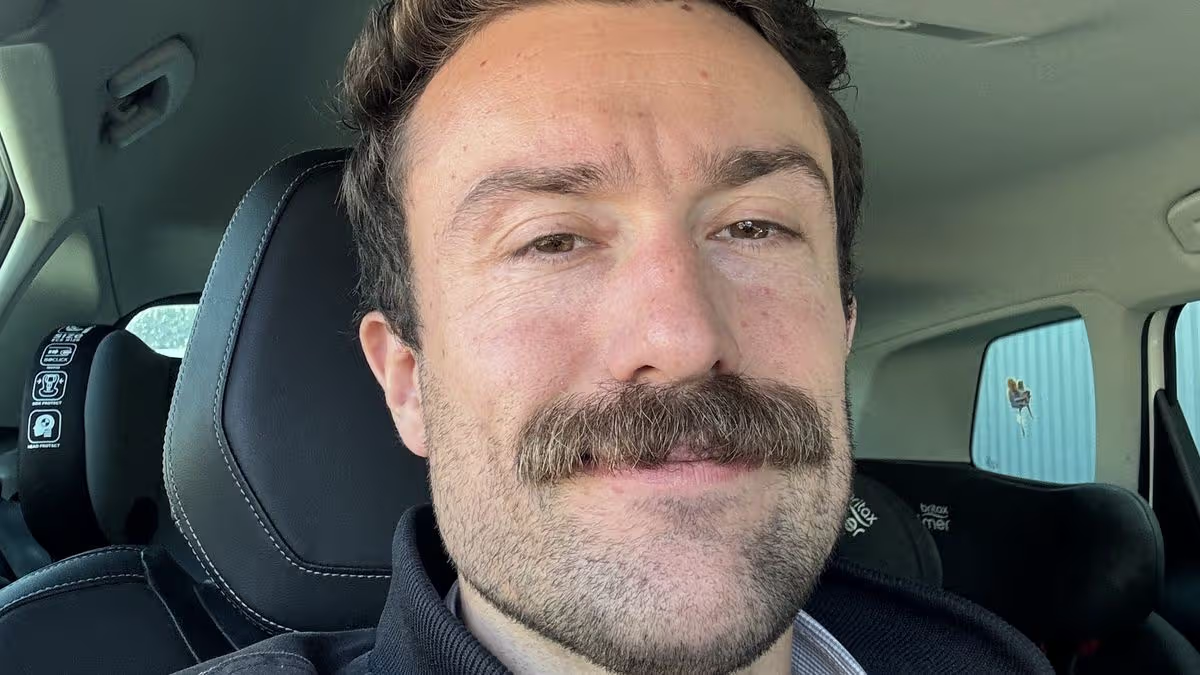
Jack Parker’s life was upended on December 12th when a diagnosis of Gastric B Cell Non Hodgkin Lymphoma transformed him from a healthy 32-year-old account manager into a cancer patient. For two months prior, he had endured excruciating pain, attributing it to a severe stomach ulcer and pushing through the agony to continue working. His employer initially showed compassion, allowing him to work from home as driving became unbearable, a temporary arrangement that stretched through December as he awaited scans and results. At the time, consumed by fear and uncertainty, Jack gave little thought to the practicalities of sick pay, a policy never fully explained to him in his six months with the company. His focus was solely on his health and his young family, with financial concerns a distant priority in the shadow of a potentially life-threatening illness.
The Unseen Mistake: A Debt Unveiled Amidst Treatment
As Jack plunged into the grueling regimen of chemotherapy throughout January, February, and March, a critical administrative error was unfolding unnoticed. His company’s payroll continued to issue his full salary, a mistake that would later unravel with devastating consequences. It was only in April, when his payments abruptly switched to statutory sick pay without warning, that the truth surfaced. A call to his manager revealed a harsh reality: due to an HR oversight, he had been overpaid. The company demanded the repayment of £4,500, a reduced sum from an original overpayment of over £6,000. This was not presented as a negotiation but as a settled fact, with a payment plan to be discussed upon his return. The news was a brutal blow, landing in the midst of a fight for his life.
The Impossible Return: When Recovery Is Met With Penalty
Eager to reclaim some normalcy, Jack attempted a return to work on a part-time basis of three days a week. Instead of support, he was met with being placed back on probation, an added layer of professional insecurity. The combined weight of his ongoing recovery, the demanding physical and emotional aftermath of chemotherapy, a stressful workload, and the looming £4,500 debt created an unbearable pressure cooker. The very workplace that should have been a pillar of stability during his crisis had become a source of profound additional strain. Ultimately, the situation proved untenable, forcing Jack to make the difficult decision to quit his job entirely, leaving him without an income at the most vulnerable time imaginable.
The Human Cost: Anxiety Compounding Illness
The financial demand has exacted a deep human toll. Jack’s struggle is no longer confined to scans and treatments; it now includes sleepless nights dominated by a different kind of dread. He goes to bed each night praying not only for his own survival, fearing he might leave his young children without a father, but also agonizing over how to settle a debt incurred through no fault of his own. He articulates a feeling many in his situation face but few outside understand: the monumental challenge of re-entering the workforce after a life-altering illness. This debt has transformed his cancer journey, compounding the natural fear and physical depletion with a relentless, crippling financial anxiety.
A Broken System: The Plea for Awareness and Compassion
Jack’s story is more than an individual tragedy; it is a stark illustration of how systems meant to support can instead compound a crisis. His primary goal is not personal compensation but to shine a light on this hidden facet of critical illness—the financial aftershocks that can undermine recovery. He seeks to raise awareness so others might be spared similar hardship, advocating for clearer communication of policies and more compassionate administration from employers when employees face severe health battles. His desire for the debt to be cleared is rooted in a plea for recognition: that the journey through cancer is arduous enough without the added burden of bureaucratic error.
Seeking Humanity in Adversity
Ultimately, Jack Parker’s experience is a call for humanity within the frameworks of employment and healthcare. It underscores the need for policies that are not just legally compliant but are administered with empathy and foresight during an employee’s most challenging times. His fight is now on two fronts: against the disease within his body and against a debt that threatens his family’s stability. His story asks a fundamental question of society: when someone is fighting for their life, should they also have to fight their employer over a mistaken paycheck? Jack’s hope is that by sharing his ordeal, he can contribute to a world where the path to recovery is paved with support, not compounded by preventable financial despair.