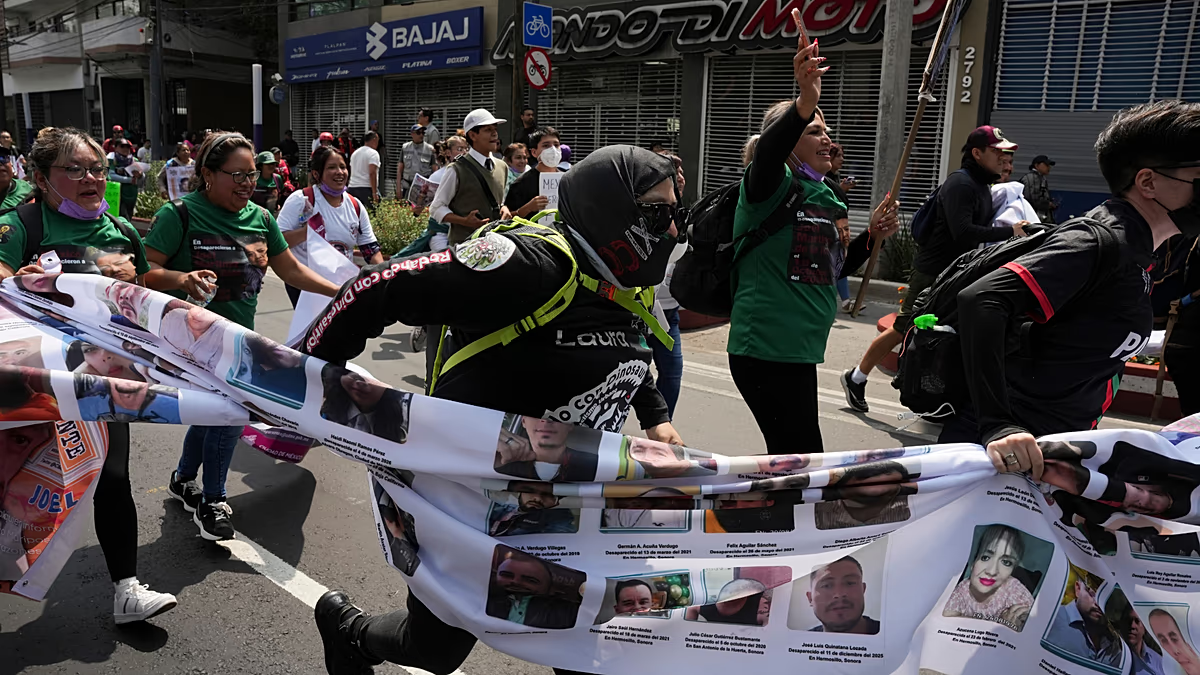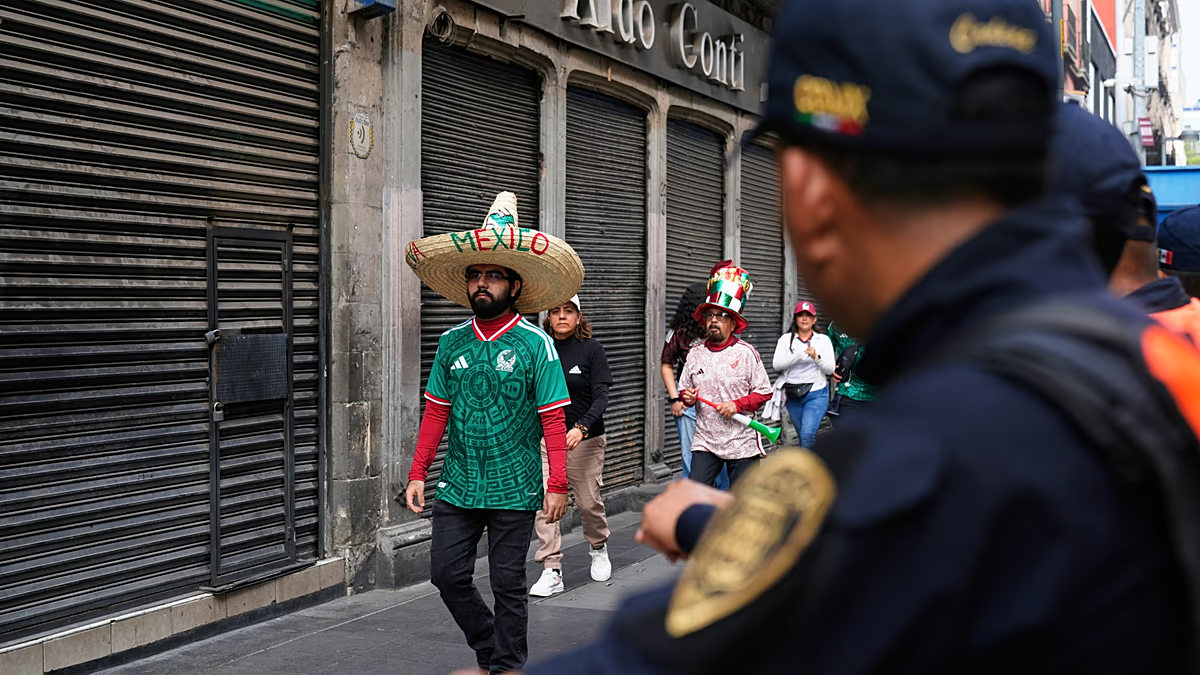


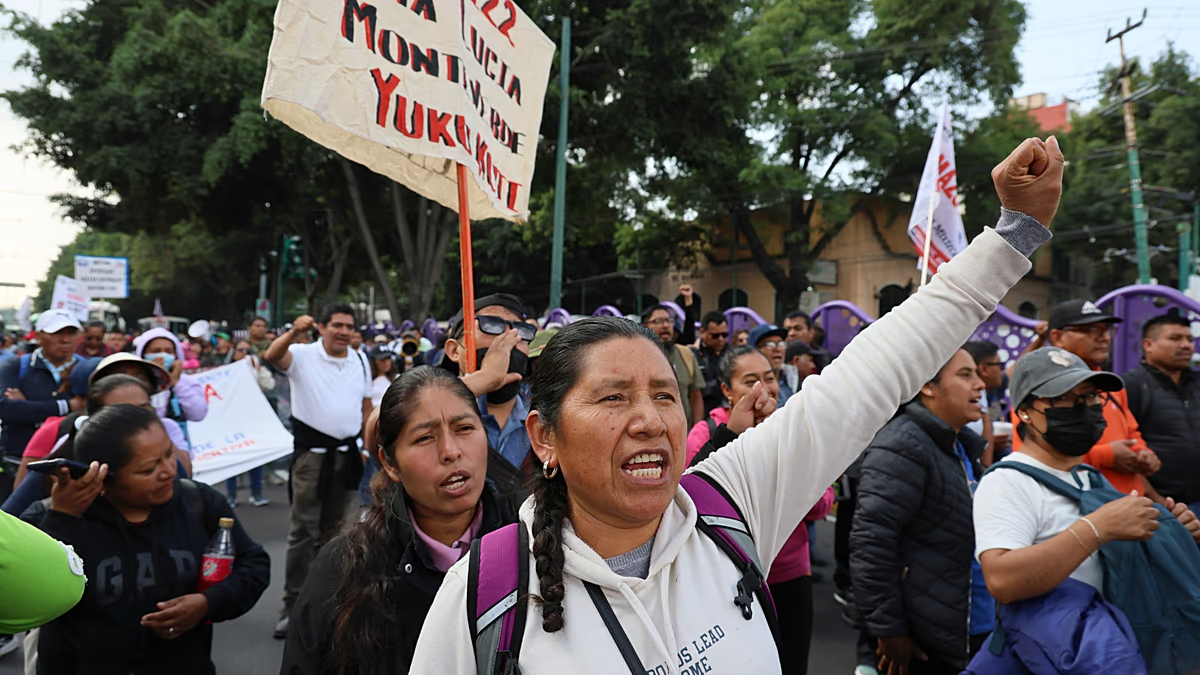
The opening day of the 2026 FIFA World Cup in Mexico City was a study in stark contrasts, embodying the complex spirit of a nation where profound national pride and deep-seated social discontent exist side by side. On June 11th, the eyes of the world were fixed on the iconic Estadio Azteca, where the celebratory fanfare of the tournament’s inaugural match between Mexico and South Africa promised a global festival of football. However, just beyond the perimeter of the spectacle, a different, more urgent reality unfolded. As thousands of excited fans streamed towards the stadium, they encountered not only the usual pre-match buzz but also the tense atmosphere of a significant protest. Students from the prestigious National Autonomous University of Mexico (UNAM), alongside activists from various social groups, mounted a determined march toward the venue, setting the stage for a day where sport and societal grievance would intersect dramatically.
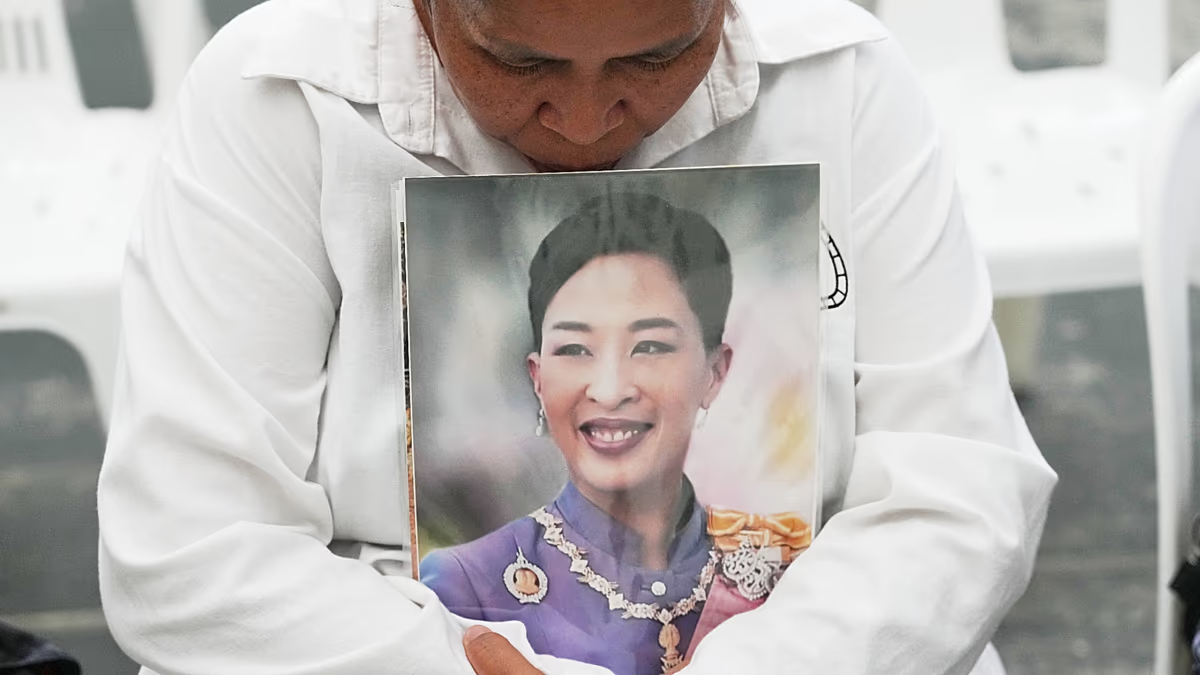
The core of the demonstrators’ argument was a powerful critique of priorities. They carried banners and voiced slogans criticizing the Mexican government for allocating vast financial and logistical resources to host a fleeting international event while, in their view, persistent domestic crises remained underfunded. The protestors pointed to entrenched inequality, poverty, and the haunting, unresolved issue of thousands of forced disappearances across the country. For them, the gleaming stadium and global spectacle symbolized a misallocation of effort and capital, a costly distraction from urgent social needs. Their march was a deliberate attempt to leverage the World Cup’s immense media spotlight, ensuring that international audiences would witness not just the games, but also the pressing debates within the host nation itself.
This symbolic clash of ideals escalated into a physical confrontation as the protest converged on the secured zones around the Azteca. Attempting to push toward the stadium to amplify their message, some demonstrators tried to move police barricades and breach security cordons. The response was swift and firm. Riot police, deployed in large numbers to ensure the safety of the event, formed defensive lines to hold back the advancing crowd. The situation grew heated, with some protesters resorting to throwing stones and debris. Police subsequently employed standard crowd-control measures to disperse the groups and maintain the integrity of the secure access routes for ticket-holding fans. The scene was marked by the acrid smell of smoke from flares and the swirling chaos of the standoff, a jarring counterpoint to the celebratory atmosphere just meters away.
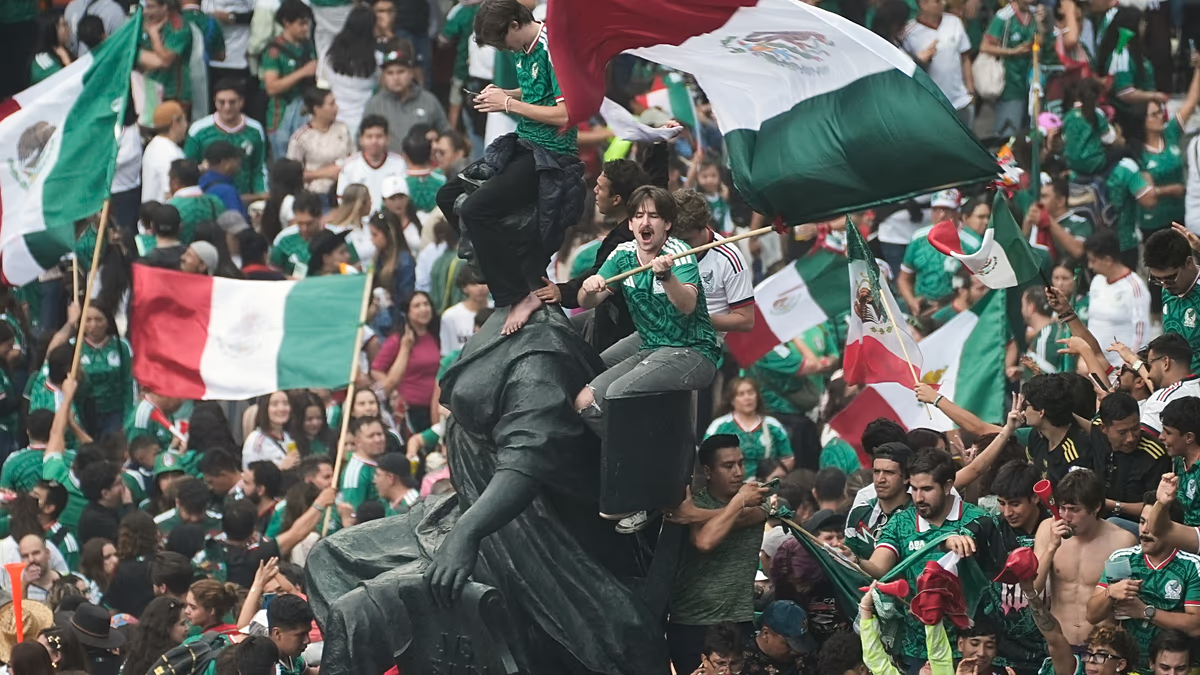
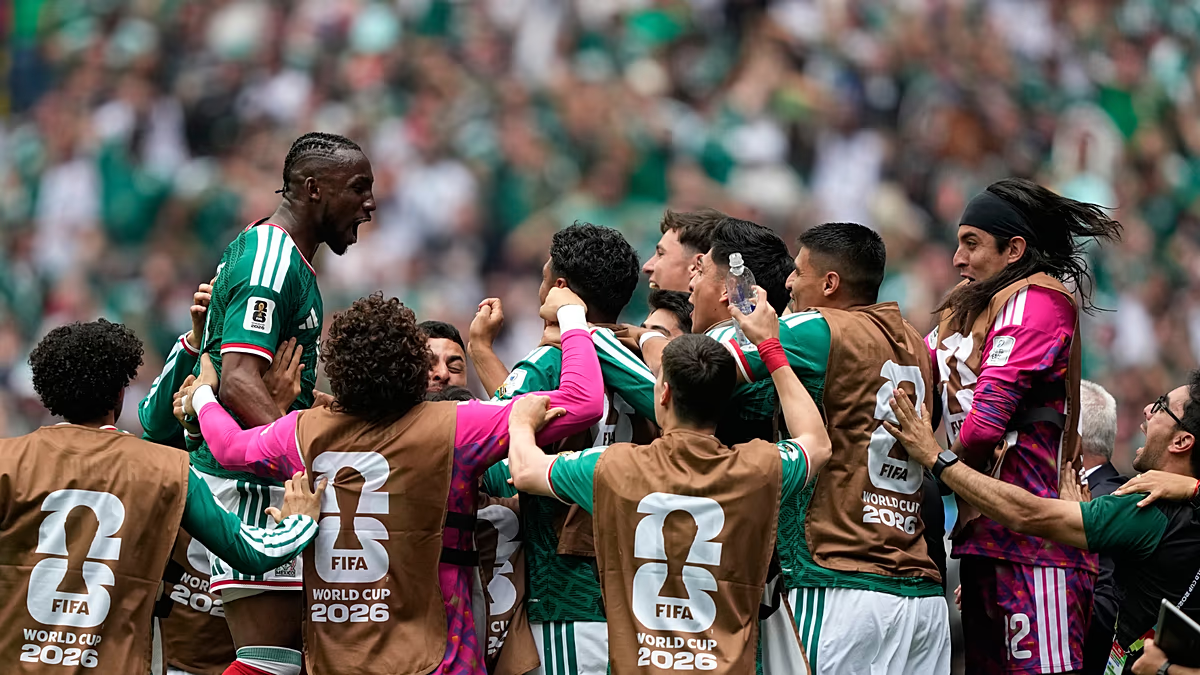
Despite the unrest swirling at its gates, the monumental machinery of a World Cup opening ceremony proceeded with determined normality inside the stadium. Organizers and authorities, having prepared for such eventualities, maintained strict control over the secured perimeter. After managing the protests and ensuring the safety of the access points, they confirmed that the match would go ahead as planned. This decision underscored a central tenet of major event hosting: the show must go on. As the sun set over Mexico City, the Estadio Azteca erupted with the cheers of tens of thousands of spectators, the national anthems played, and the football itself began. For the global broadcast audience, the opening of the 2026 World Cup was a success, a vibrant celebration kicked off without visible delay.
Yet, to dismiss the day as merely a successful security operation would be to miss its profound significance. The events in Mexico City provided a powerful, if uncomfortable, snapshot of modern mega-events. They highlighted the tension between the unifying, joyful power of international sport and the legitimate, often painful, socio-economic realities of host communities. The protesters, though kept from disrupting the match, succeeded in their fundamental goal: they inserted a narrative of accountability into the World Cup storyline. They forced a moment of global reflection on the true cost of such tournaments, challenging the notion of sport as an apolitical space and reminding the world that for many citizens, the beautiful game is played against a backdrop of far less beautiful daily struggles.
In the final analysis, the opening day was neither a story of pure celebration nor one of simple conflict. It was a layered human drama that encapsulated a dual reality. It was about the fan in the stadium, wrapped in the national flag, dreaming of World Cup glory, and the student on the street, holding a banner for the disappeared, dreaming of justice. It was about a government managing the immense logistics of a global event while facing vociferous criticism over its domestic agenda. The 2026 World Cup began, as it likely will continue, as a tournament existing in two worlds simultaneously: one of universal sporting passion, and another of specific, local aspiration for a more equitable society. The enduring image of that opening day is not one or the other, but the poignant, unresolved space between them.