

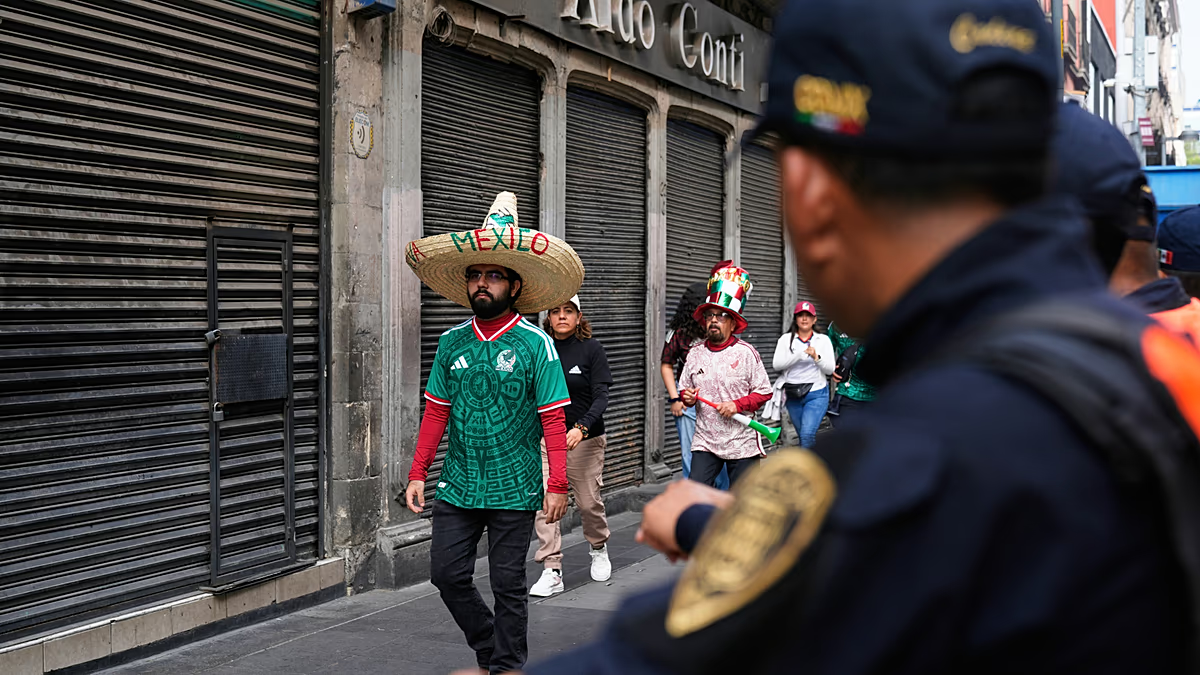
The air in Mexico City on Thursday was not merely thick with its familiar urban hum, but crackled with a palpable, collective energy. A nation’s heartbeat seemed to synchronize with the anticipated rhythm of the beautiful game, as excitement built toward the long-awaited opening match of the 2026 FIFA World Cup. After years of anticipation, the globe’s greatest sporting spectacle had finally returned, and the streets of the capital were awash in a sea of vibrant green. For Mexicans, this was more than a tournament; it was a homecoming, a historic moment as the country prepared to host the world for a record third time, and the hope of a strong start for the national team hung sweetly in the air.
The pilgrimage for many faithful supporters led to the hallowed grounds of the Mexico City Stadium, the legendary colossus formerly known as the Azteca. There, a stream of fans clad in the iconic green jerseys formed hopeful lines, their faces painted and voices already hoarse from pre-match chants. They arrived as bearers of tradition and superstition, carrying not just tickets, but national flags, homemade banners, and cherished lucky charms, each item a silent prayer for victory. Their confidence was buoyant, with many speaking assuredly of a triumphant start against South Africa, eager to write a new, victorious chapter in the stadium’s storied history, a venue that has witnessed legends and is now ready to create new ones for a global audience.
Yet, nestled within the widespread jubilation was a note of quiet disappointment for some. The dream of being inside the roaring concrete bowl of the stadium itself remained out of reach for a significant number of supporters. Several fans spoke openly of ticket prices that soared beyond their means, a reality that created an invisible barrier between them and the live action. This economic divide, however, did not diminish their passion; it simply redirected it. Instead of resigning themselves to watching at home, they turned their focus to the next best thing: the communal, electric experience of the city’s official fan zones.
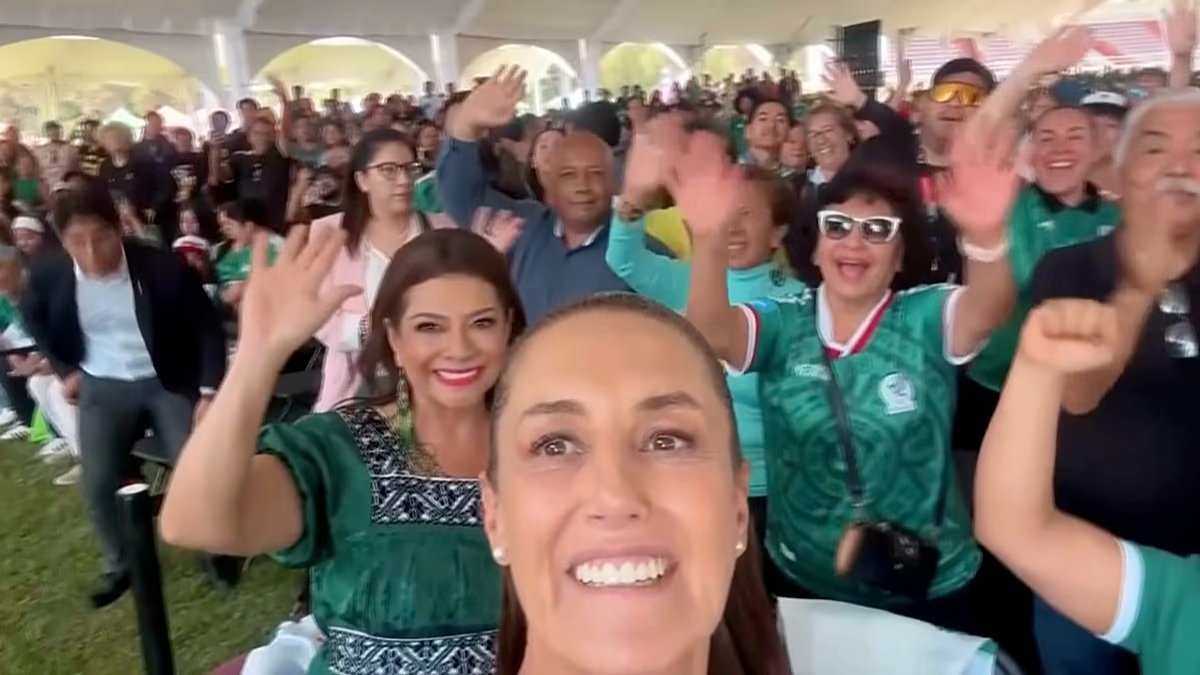
The epicenter of this alternative celebration was the vast, historic Zócalo, the city’s main square, which had been transformed into a festival of football. Here, thousands gathered under the open sky, united not by seat numbers but by shared fervor. The sentiment among these fans was one of resilient optimism. While they missed the visceral thrill of being inside the stadium, they insisted the atmosphere among the massive crowd—with its collective gasps, cheers, and songs echoing off ancient buildings—would be equally, if differently, unforgettable. It was a celebration of community and national pride, proving that the spirit of the World Cup could not be contained by any single venue.
Thus, as kickoff approached, Mexico City presented two parallel, yet interconnected, scenes of celebration. One was the focused intensity of the stadium, a crucible of sound awaiting the first whistle. The other was the expansive, joyful overflow in the public squares and streets, a testament to a love of the game that refuses to be fenced in. Both were essential to the fabric of the day, demonstrating that football’s true power lies in its ability to unite people, whether in exclusive seats or on public concrete.
Ultimately, the day was about more than one match; it was a national affirmation. From the historic Azteca to the heart of the Zócalo, Mexicans from all walks of life stitched themselves into the opening page of this World Cup story. They carried the hopes of a nation not just for a win, but for a month of unforgettable memories, proving once again that while the game is played on the field, the festival belongs to the people. The 2026 World Cup had begun, and Mexico was ready, both as a host and as a passionate competitor, its vibrant spirit setting the tone for the tournament to come.