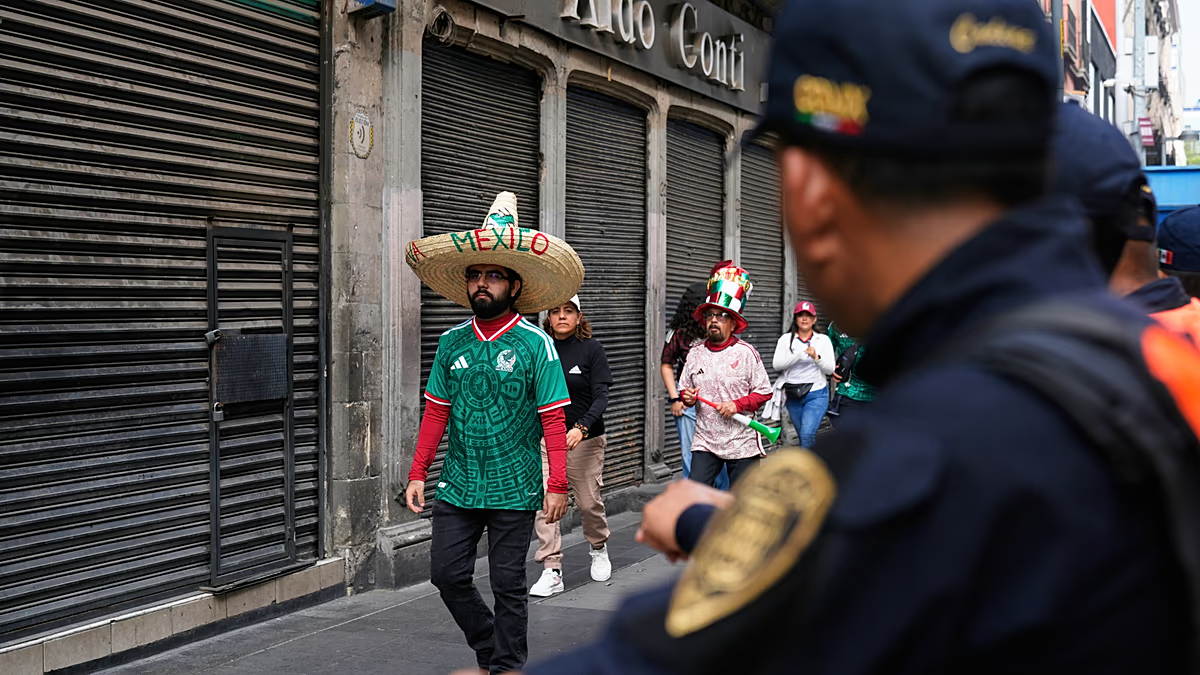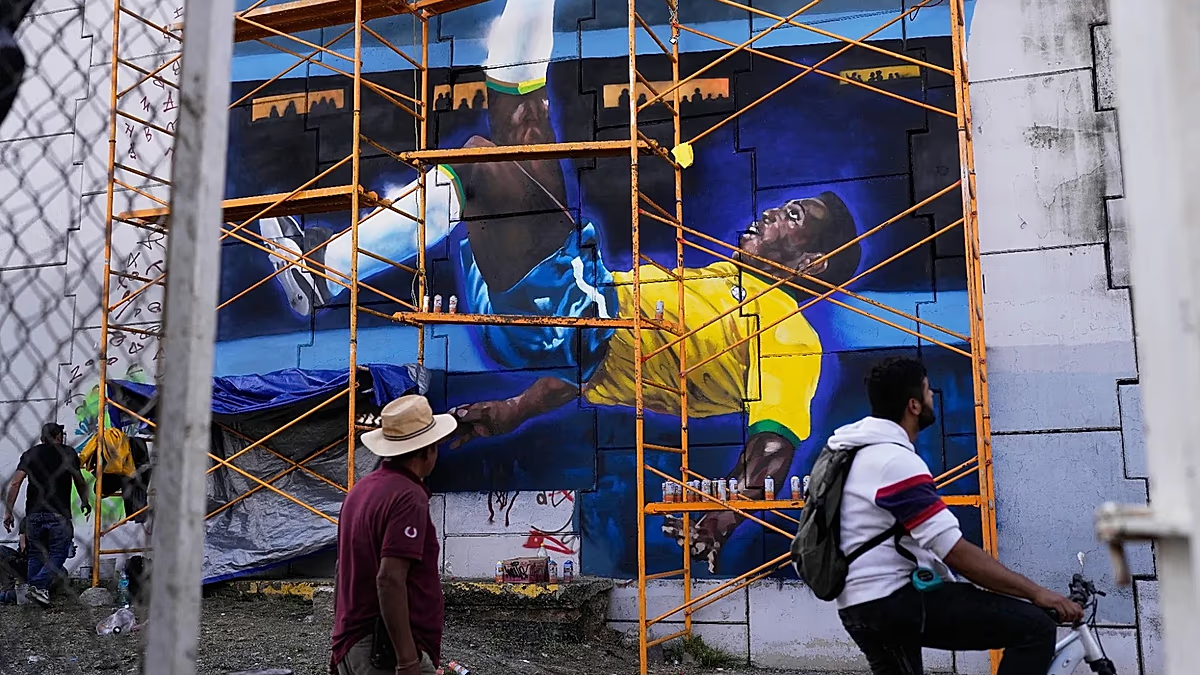




The world of major international sporting events operates on a unique and often unpredictable economic engine, and the current FIFA World Cup is a powerful testament to this dynamic. According to industry experts, a potent combination of exceptionally strong global demand, highly reactive dynamic pricing models, and a thriving secondary resale market is creating a perfect storm, driving ticket prices to unprecedented heights. This isn’t merely a case of high initial costs; it’s a living marketplace where value is continuously reassessed in real-time. As the tournament progresses and the narrative unfolds on the pitch, the financial landscape for fans shifts accordingly. The journey from the group stages to the glittering final is mirrored by a parallel journey in cost, with each match carrying a price tag that reflects its perceived historic weight and emotional stakes.
At the heart of this phenomenon is the basic, unyielding law of supply and demand on a global scale. The World Cup is not just a tournament; it’s a once-in-a-lifetime pilgrimage for millions. The finite number of seats in the stadiums becomes a precious commodity contested by fans from every competing nation, as well as neutral spectators drawn by the spectacle. This innate scarcity is the foundational layer. However, modern “dynamic pricing” algorithms, similar to those used by airlines and hotels, have supercharged this effect. Official prices are no longer static but can fluctuate based on real-time data—such as which teams are playing, their historical rivalry, or the stage of the tournament. A group match between two footballing giants will command a far higher initial price than one between lesser-known qualifiers, and that price can be adjusted daily or even hourly as the match approaches and ticket inventories dwindle.
Perhaps the most volatile and fascinating layer is the booming secondary resale market. This is where fan sentiment and sporting destiny directly translate into financial value. When a nation’s team defies expectations and advances to the knockout rounds, a surge of hope and national pride triggers an immediate spike in demand from that country’s supporters. Overnight, tickets for their next match, which may have been purchased weeks earlier at a relatively modest price, become worth several times their face value on resale platforms. Conversely, the elimination of a popular team can suddenly flood the market with newly available tickets, potentially causing a temporary dip in prices for certain fixtures. This resale ecosystem turns every fan into a potential micro-economist, making gut-wrenching decisions about whether to sell a ticket for a life-changing sum or hold onto the dream of witnessing history firsthand.
As the tournament narrows from thirty-two teams down to two finalists, this pricing volatility enters its most intense phase. The clarity of knockout matchups removes uncertainty and crystallizes desire. A quarter-final featuring a classic regional rivalry or a semifinal with a compelling narrative of revenge will see demand—and prices—soar independently of the ultimate final. The stakes are palpable; fans are no longer just buying a seat, they are buying a chance to witness a definitive chapter in their team’s story. The expert analysis suggests that this trend is likely to continue, with prices for the semifinals and final reacting seismically to the identity of the competing teams. A final between two global football powerhouses with massive, travel-capable fan bases would create a pricing peak far beyond a final involving a smaller, albeit passionately supported, nation.
Behind these soaring numbers lies a deeply human story of sacrifice, anticipation, and community. For many, the exorbitant cost represents years of saving, a special celebration, or a shared family dream. The ticket becomes a physical token of loyalty, a prized possession that validates years of emotional investment in a team. The bustling online forums and social media groups where fans connect, trade, and lament prices are communities bound by this shared pursuit. The high stakes of the market amplify the emotional highs and lows of the tournament itself; the joy of securing a ticket against the odds can feel like a victory before a ball is even kicked, while the disappointment of being priced out is a bitter pill to swallow. It’s a reminder that the World Cup’s economy is ultimately powered by love for the game, a force both priceless and subject to harsh pricing.
In conclusion, the escalating cost of World Cup attendance is a multifaceted issue, driven by immutable economic principles and accelerated by digital-age market practices. Strong foundational demand, sophisticated dynamic pricing from official channels, and a frenetic fan-driven resale market interact to create a landscape where the price of admission is as dynamic as the matches themselves. While this can lead to eye-watering figures that risk excluding all but the most affluent supporters, it is also an organic reflection of the world’s collective passion. As the tournament marches toward its climax, each pass, each goal, and each elimination doesn’t just alter the bracket—it sends ripples through a global marketplace, where the dream of being there in person is valued, and priced, in real-time.