


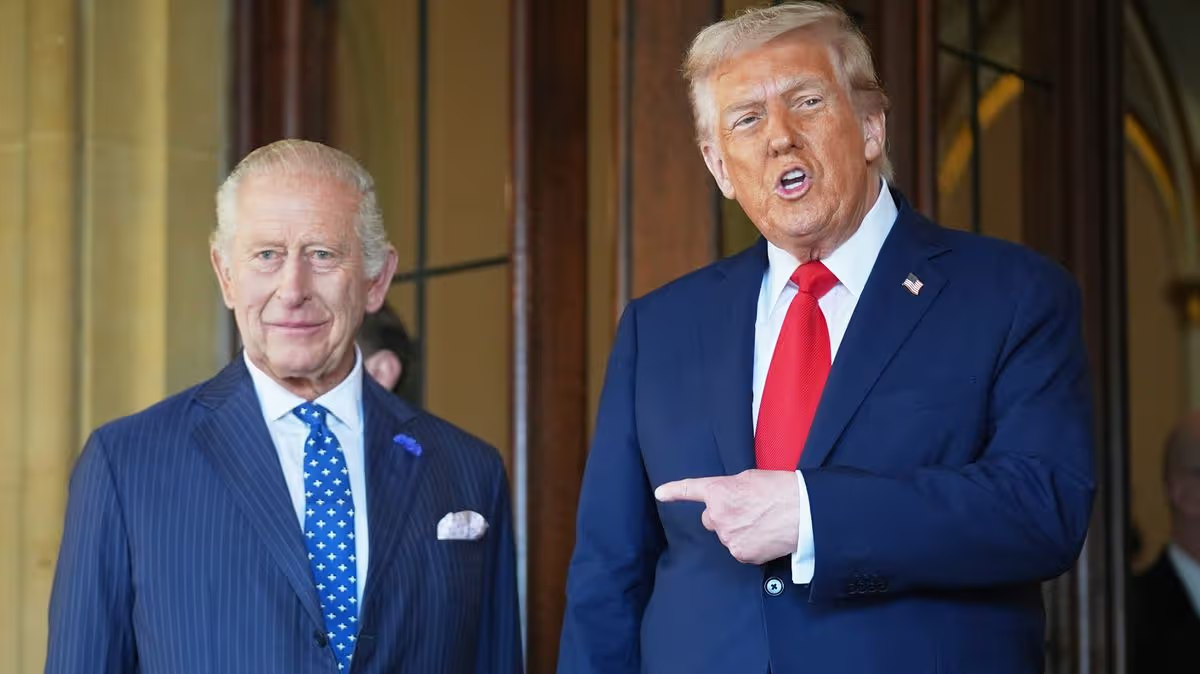
A state visit by King Charles III to the United States, his first since ascending the throne, arrives at a moment of profound strain in the so-called “special relationship.” While transatlantic diplomacy often relies on the steady efforts of elected officials, this trip underscores a unique and enduring pillar of British foreign policy: the soft power of the monarchy. At its heart, the journey is a delicate diplomatic mission, one where the King and Queen Camilla are tasked with applying a salve to a political connection that has grown deeply fractious under the new leadership of Prime Minister Keir Starmer and the returning President Donald Trump. Their presence represents a continuity and a personal touch that partisan politics cannot easily replicate, stepping onto the world stage at a time when the traditional bonds between London and Washington are facing one of their most significant tests in decades.
The source of the tension is no secret. President Trump has openly and repeatedly clashed with Prime Minister Starmer, most notably over the UK’s cautious approach to the escalating conflict involving Iran. Trump has branded Britain’s stance as “terrible,” and in a characteristically personal broadside, dismissed Starmer as “not Winston Churchill.” This rhetoric is more than mere bluster; it signals a genuine rift in strategic alignment. Reports have even suggested the potential for tangible repercussions, with the U.S. possibly reviewing its long-held position supporting UK sovereignty over the Falkland Islands as a retaliatory measure for London’s lack of support. This alarming prospect reveals how quickly diplomatic disagreements can escalate into challenges over fundamental national interests, placing the entire architecture of the UK-US alliance under unprecedented pressure.
It is into this fraught atmosphere that the King travels. The British government, acutely aware of the monarchy’s unique global standing, will be hoping that the pageantry, personal rapport, and apolitical stature of the sovereign can help to steady the ship. King Charles carries with him the accumulated goodwill of decades as the Prince of Wales, a figure recognized worldwide for his dedication to charitable and environmental causes. His meeting with President Trump is therefore high-stakes diplomacy of a different order—one built on ceremony, shared history, and personal chemistry rather than direct policy negotiation. The goal is not to broker a deal on Iran, but to reaffirm the underlying friendship between two nations, a connection that transcends the inevitable policy disagreements between any two administrations.
Encouragingly for Downing Street, there appears to be a foundation of personal respect upon which to build. President Trump himself has offered a warm assessment of the King, telling the BBC, “Absolutely. He’s fantastic. He’s a fantastic man. Absolutely the answer is yes,” when asked if the royal visit could help mend ties. This affinity provides a crucial opening. The visual symbolism of a gracious state dinner, the formal exchange of gifts, and the visible camaraderie between the King and the President can serve as a powerful counter-narrative to the headlines of discord. It reminds the public and politicians on both sides of the Atlantic that the relationship is broader and deeper than the issues dividing the current occupants of 10 Downing Street and the White House.
Ultimately, this visit is a testament to the monarchy’s enduring role as a vital instrument of British statecraft. In times of political harmony, royal tours celebrate and reinforce alliances. In times of tension, like now, they become a critical circuit-breaker and a channel for back-channel reassurance. King Charles III is undertaking a nuanced duty: to represent his nation with dignity, to engage a mercurial American president on a human level, and to subtly reinforce the timeless value of the UK-US partnership without wading into partisan disputes. His success will not be measured in signed treaties, but in a restored tone of civility and mutual respect that could create the space for more productive political engagement downstream.
As the world watches the King and President Trump meet, the stakes extend beyond bilateral relations. In an increasingly unstable global landscape, a strong and coordinated Anglo-American alliance remains a cornerstone of international security and democratic solidarity. This royal visit, therefore, is about more than mending a temporary rift; it is an investment in preserving that cornerstone for the future. By leveraging the unique soft power of the Crown, the UK hopes to remind its most powerful ally of their shared history and common destiny, aiming to ensure that the special relationship endures not just through agreements, but through a renewed sense of kinship and shared purpose.