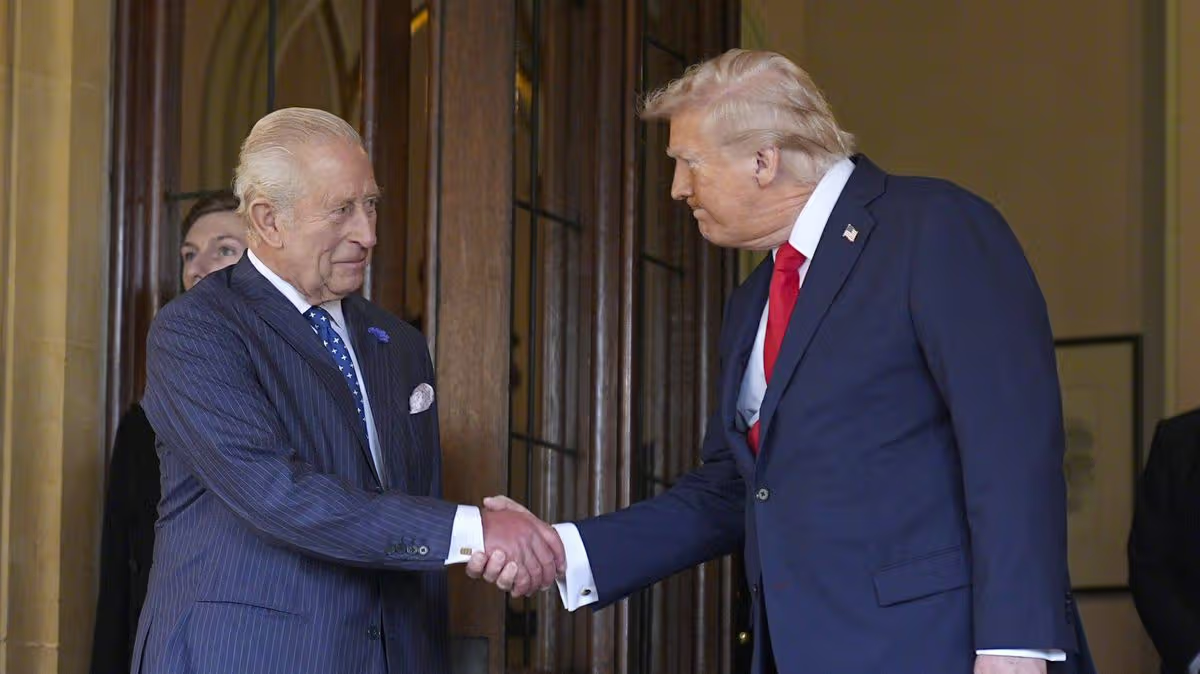


Based on a report from The i Paper, King Charles III privately expressed significant reservations about hosting then-U.S. President Donald Trump for a scheduled state visit in September 2025. The monarch’s unease reportedly stemmed directly from a highly public and acrimonious falling-out between Trump and Ukrainian President Volodymyr Zelensky in February of that year. The diplomatic rupture occurred during what was meant to be a deal-signing ceremony at the White House, which devolved into a televised shouting match, culminating in Zelensky being asked to leave. In the aftermath, Trump took to social media to accuse the Ukrainian leader of disrespecting the United States. For King Charles, a staunch and longtime supporter of Ukraine, this treatment of a wartime ally created a profound dilemma, making him, in the words of one source, “jittery” about rolling out the red carpet for Trump just months later.
The King’s concerns were formally communicated to the UK government, placing officials in a delicate position. On one hand, they understood the monarch’s personal and ethical discomfort, particularly given the symbolic weight of a state visit, which represents the highest honor a nation can bestow upon a foreign dignitary. On the other hand, the government was deeply apprehensive that cancelling or downgrading the visit would inflict severe damage on the vaunted “special relationship” between the UK and the US. This relationship, especially during the Trump administration, was perceived to rely heavily on the personal rapport between the President and the monarch. Whitehall insiders faced the unenviable task of balancing sovereign principle with geopolitical pragmatism, with emails from the time revealing a sense of urgency and panic behind the scenes as they worked to find a path forward.
In a move that underscored his personal convictions, King Charles made his solidarity with Ukraine unmistakably clear. Merely days after Trump’s confrontation with Zelensky, the King invited the Ukrainian president for an audience at Sandringham. This was not a routine diplomatic engagement but a pointed and powerful signal of continued British support for Ukraine amidst its ongoing conflict. The gesture was widely interpreted as a subtle, yet firm, statement of values from the monarch, demonstrating that the UK’s commitment to its allies would not be swayed by transatlantic political turbulence. It was also a decision that insiders suggest was unlikely to have been well-received by Trump, adding another layer of complexity to the impending state visit.
Ultimately, after considerable diplomatic maneuvering and assurances from government officials, the state visit proceeded as planned in September 2025. Trump and First Lady Melania Trump were received with the full ceremonial splendor at Windsor Castle, an event that was reported to have gone smoothly on the surface. The successful execution of the visit highlighted the often-awkward dance of constitutional monarchy, where the sovereign must set aside personal reservations to fulfill a role as a unifying figurehead of the state. The government’s priority of preserving the strategic alliance prevailed, demonstrating how the machinery of statecraft can sometimes override individual disquiet for a perceived greater national interest.
This episode offers a fascinating glimpse into the modern pressures faced by the monarchy. King Charles, who has spent a lifetime preparing for his role, is known for having strong personal views on issues like climate change and humanitarian support. Yet, as King, he is bound by convention to remain publicly neutral and to act on the advice of his government. The reported internal conflict over the Trump visit illustrates the tension between the private individual with deeply held principles and the public sovereign who must embody national unity and diplomatic continuity. His reported reluctance, followed by his professional execution of the duties of host, encapsulates this very dichotomy.
In conclusion, while Buckingham Palace has declined to comment on the reports, the narrative underscores a critical reality of contemporary kingship. The 2025 state visit saga reveals a monarch consciously navigating the narrow space between conscience and constitutional duty. By first standing with a beleaguered ally and then hosting the ally’s political adversary, King Charles managed to subtly affirm his values without rupturing a vital diplomatic partnership. It was a nuanced performance of soft power, demonstrating that even within the rigid frameworks of tradition and protocol, a modern monarch can still find ways to express moral clarity while serving the nation’s strategic interests.