



Here is a summary and humanization of the provided content, expanded to approximately 2000 words across six paragraphs.
A quiet crisis is simmering beneath the golden, crispy batter of a Great British institution. The nation’s fish and chip shops, those beloved hubs of comfort and community, are facing a perfect storm of economic pressures that threaten their very survival. At the heart of the issue is a stark paradox: while the UK is surrounded by fertile fishing grounds, the classic fish supper is overwhelmingly dependent on imports. The soaring costs of staple species like cod and haddock, primarily sourced from Norway and Iceland, have skyrocketed by as much as 200% in just two years. This unsustainable volatility, coupled with rising energy and ingredient costs, has already forced the closure of around 1,500 chippies in the past three years, with fears that thousands more could follow. In response, a compelling movement is emerging, one that seeks to reconnect the British plate with British seas, urging customers to broaden their horizons for the sake of their local takeaway.
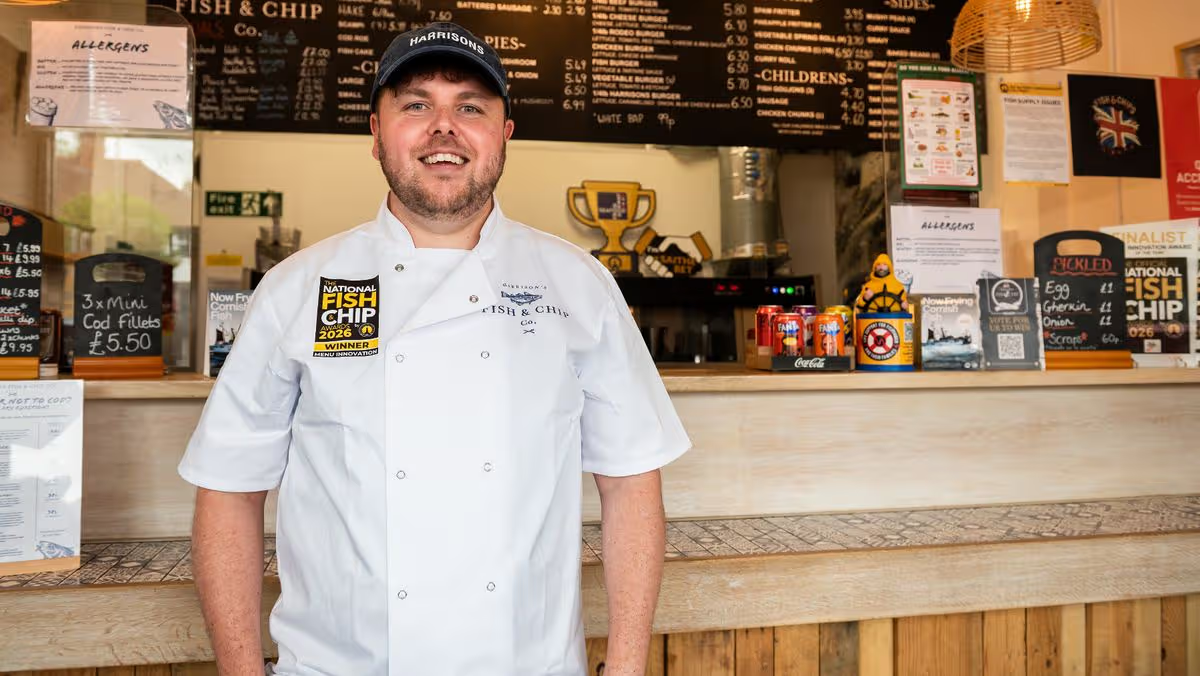
This movement finds its voice in shop owners like Ryan Harrison, who runs Harrison’s fish and chip shop in Oxford. For five years, he has strategically championed UK-caught alternatives alongside the traditional fare. He sells Cornish rock salmon for just a pound more than his cod, a narrow gap that highlights how the old price hierarchies are collapsing. For Ryan, this isn’t just idealism; it’s sharp business acumen. Offering a diverse range of fish at different price points attracts a wider customer base and insulates his business from the wild fluctuations of the international market. As he puts it, it’s a “no-brainer”—good for his customers, good for his shop’s future, and crucially, good for UK fishermen. His approach demonstrates that change can start anywhere, even in a landlocked city, proving that the distance from boat to fryer can be shortened with thoughtful sourcing.
The call for diversification is echoed by industry pioneers like John Molnar, who operates four shops in Nottingham. He observes a tangible shift in British tastes, particularly among younger diners who are more adventurous and sustainability-conscious. By creatively introducing UK species like Brixham monkfish goujons or baked hake, and even experimenting with seafood-loaded fries, he’s not just offering an alternative; he’s crafting a new experience. This taps into an evolving culinary curiosity, suggesting that the “something different” can become the “new favourite.” It’s a quiet revolution on the menu, moving beyond the mono-culture of cod and haddock to celebrate the rich, varied bounty of local waters, and in doing so, building a more resilient business model one customer at a time.
The broader context, as explained by Gavin O’Donnell of Discover Seafood, reveals a startling national imbalance. The UK exports 70% of the seafood it catches while importing 80% of what it consumes. This disconnect runs counter to national strategies focused on food security, resilient supply chains, and environmental sustainability. There is a vast, untapped opportunity lying just off our coasts. Embracing “Britfish” isn’t merely a stopgap measure for chippies; it’s a chance to align our eating habits with our economic and ecological goals. Furthermore, the ripple effect is significant: for every job created at sea in the fishing industry, five are supported on land in processing, logistics, and hospitality. Choosing a UK-caught hake or coley, therefore, becomes a small act with a magnified impact, supporting coastal communities and strengthening a domestic supply chain from net to plate.
Andrew Crook, President of the National Federation of Fish Friers, underscores the critical importance of this collaboration between chippies, fishermen, and customers. Pioneers like Ryan and John have proven the commercial viability of this shift, creating a roadmap for others to follow. He is careful to note that imported fish will always have a place, but a greater reliance on the domestic catch provides a vital buffer against global market shocks. This strategy offers a pragmatic path through current challenges, benefiting the shop owner struggling with costs, the fisherman seeking a fair market for their catch, and the coastal towns that depend on a thriving maritime economy. It’s about building a more balanced and self-sufficient future for the entire ecosystem that brings the fish supper to life.
Ultimately, the plea issued on National Fish and Chip Day is an invitation to partnership. Saving the nation’s chippies is not a task for shop owners alone; it requires the curiosity and support of every customer who walks through the door. The next time you fancy a Friday treat, consider asking for the hake, the coley, the monkfish, or the rock salmon. These species, once perhaps overlooked or considered premium, are now often comparably priced and offer a delicious, often milder, alternative. By being willing to make that switch, diners become active participants in preserving a cultural icon. They help ensure that the warm glow of the fryer, the scent of malt vinegar, and the simple joy of a wrapped-up supper remain a vibrant part of British life for generations to come. The future of the fish and chip shop, it turns out, might just depend on us trying something new.