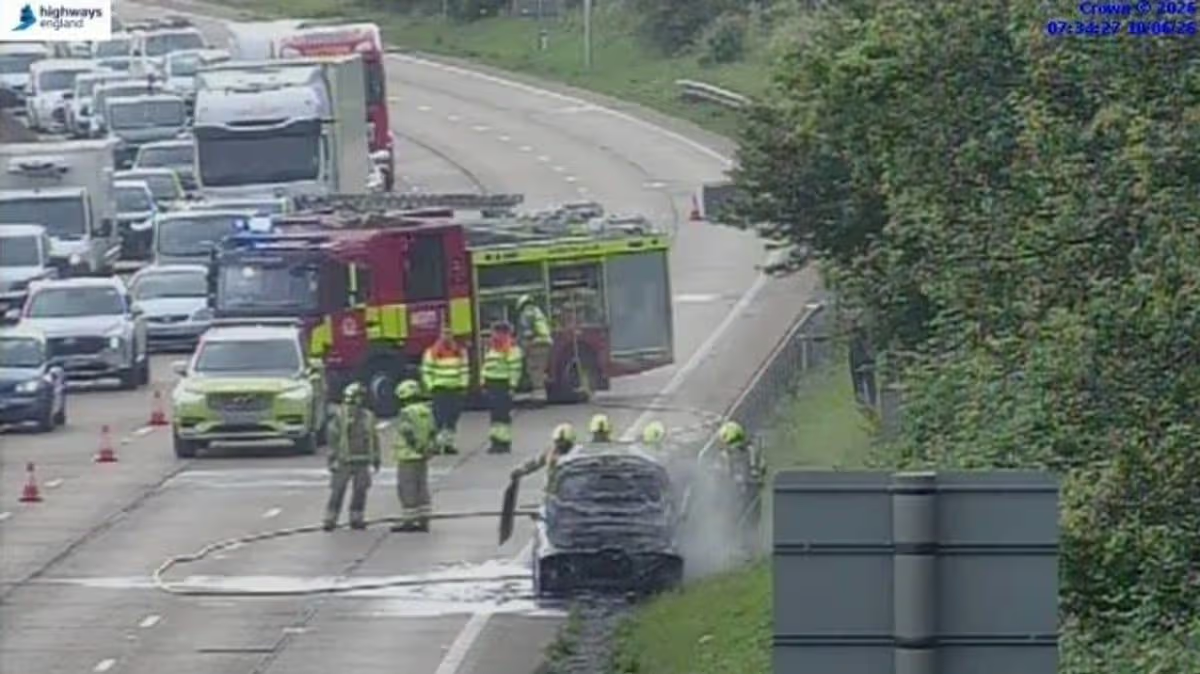



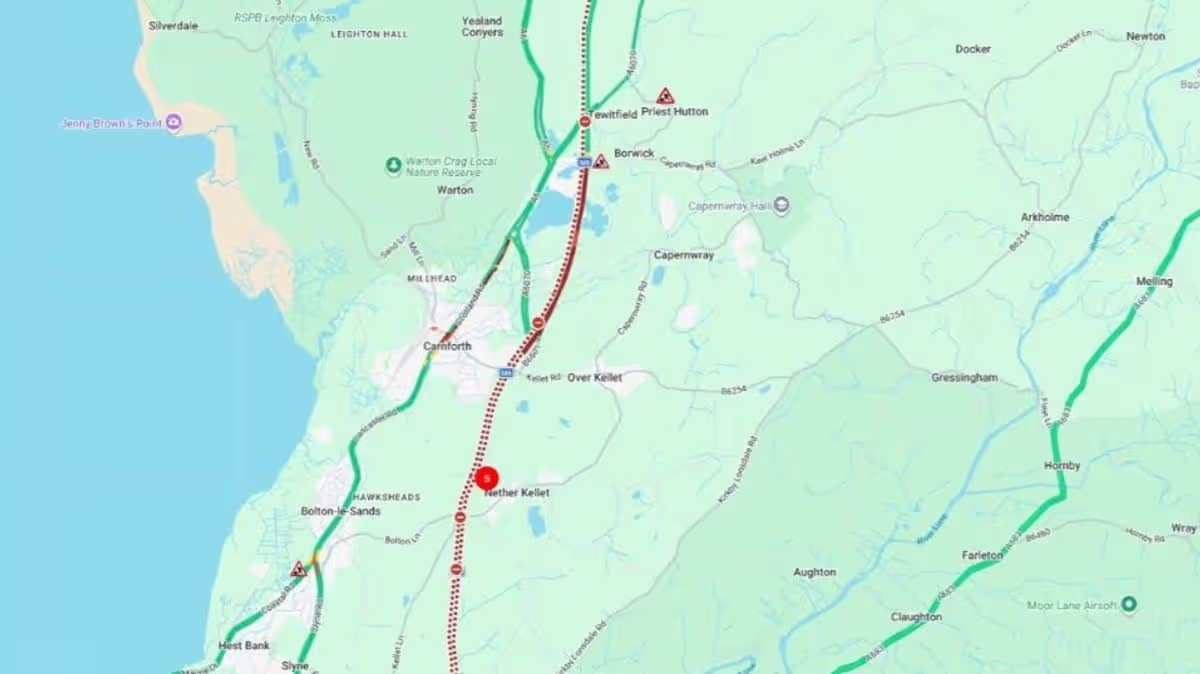
A significant and disruptive incident has unfolded on the M6 motorway, a critical artery for travel and commerce in the UK, following a serious accident involving a jack-knifed heavy goods vehicle. The event has necessitated a full closure of the road, creating inevitable delays and underscoring the immense logistical challenges inherent in clearing a modern highway after such a collision. National Highways has communicated that the closure is expected to be protracted, a necessary but frustrating reality for stranded motorists. This extended timeframe is not a matter of simple towing; it is a meticulously planned, multi-phase recovery operation where speed must be deliberately sacrificed for the absolute priorities of safety and thoroughness. Emergency services remain actively on the scene, their initial life-saving duties now transitioning into the complex task of stabilising the situation and preparing the massive vehicle for what comes next.
The core of the challenge lies in the specific nature of the accident—a jack-knifed lorry. This is not merely a broken-down car at the roadside. The term “jack-knifed” describes a terrifying scenario where the trailer of an articulated lorry swings out violently, folding against the cab at a severe angle, often blocking multiple lanes and creating a tangle of metal and cargo. Recovering such a behemoth is a specialist engineering task in its own right. It requires the deployment of heavy-duty lifting gear, winches, and possibly even cranes, operated by highly trained recovery teams. Each operation is unique, its complexity dictated by the precise angle of the vehicle, the nature of its load—whether it is stable machinery or hazardous, shifting materials—and the extent of structural damage to both the cab and trailer. This delicate process of untangling and righting the vehicle is a slow, inch-by-inch endeavour to prevent further damage or risk to the recovery teams themselves.
Once the lorry is finally lifted and removed from the carriageway, the work is far from over. The physical scar of the accident remains on the road surface itself. National Highways teams must then conduct rigorous safety inspections of the entire affected stretch. This involves detailed checks for any damage to the critical infrastructure that protects motorists daily: the steel safety barriers, which may have been bent or compromised; the road surface, which could be gouged or littered with debris; and any signage or lighting columns. A particularly insidious hazard is contamination from spilled diesel, oil, or coolant, which can render the asphalt dangerously slippery. This contamination must be thoroughly identified and cleaned, often using absorbent materials, before any vehicle can safely travel over it again. This inspection phase is a silent but crucial act of prevention, ensuring the hidden dangers of the accident are eliminated.
Behind these visible operations on the tarmac, a parallel, less visible crisis unfolds: the management of traffic and human frustration. The closure of a major motorway like the M6 creates a ripple effect of disruption across the regional road network. Local arteries become clogged with diverted traffic, GPS systems reroute thousands of vehicles down unsuitable country lanes, and travel plans for countless individuals and businesses are thrown into disarray. The economic toll mounts with every minute—from perishable goods stuck in lorries to missed meetings and delayed logistics. For the drivers caught in the stagnant queues, the situation transforms from inconvenience to ordeal, testing patience and raising anxieties about fuel, appointments, and family commitments. This human dimension is the pervasive backdrop to the entire recovery effort.
Throughout this arduous process, the guiding principle for all agencies involved—from police and fire services to National Highways and the recovery contractors—is an unwavering commitment to safety over speed. The public’s desire for a swift reopening is entirely understandable, but it cannot override the methodical procedures required to protect both the workers on scene and the drivers who will eventually use that road. Rushing the recovery of a multi-tonne vehicle or neglecting a patch of oil could precipitate another, potentially worse, tragedy. Therefore, the communicated expectation that the road “will remain closed for some time” is not bureaucratic delay, but a responsible acknowledgment of reality. It is a promise that the road will not reopen until every known risk has been mitigated.
Finally, when the last piece of debris is cleared, the final inspection signed off, and the cones are withdrawn, the M6 will return to its familiar roar of traffic. The incident will fade from headlines, but its lessons and its impact linger. For the responding crews, it was another day of skilled, demanding work. For the affected drivers, it was a story of unexpected disruption. The episode serves as a stark reminder of the sheer physical forces and logistical vulnerabilities involved in our daily reliance on road freight and travel. It highlights the intricate, often unseen, ballet of emergency response and infrastructure repair that works to reset the clock after a crisis, striving to restore not just the flow of traffic, but the fragile normalcy of our connected lives.