




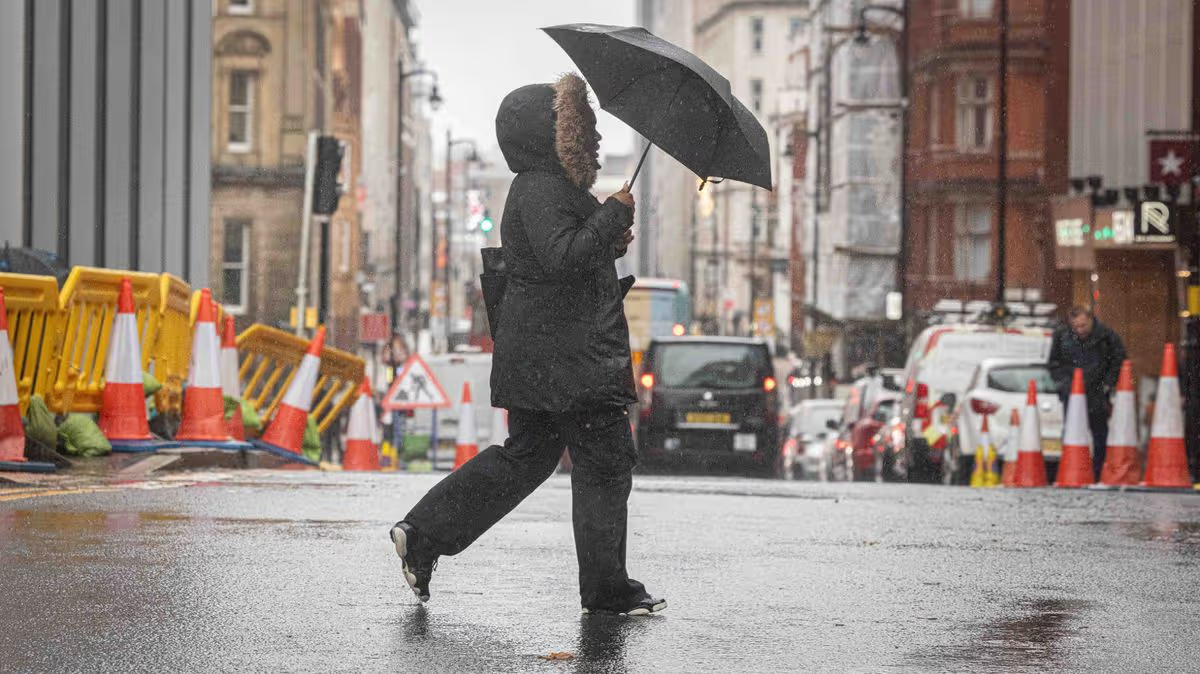
Britons across the country are about to receive a sharp, if brief, reminder that spring is a season of transition, not a steady march into summer. After a welcome period of fine, warm weather, the atmospheric calm is set to break. The Met Office has signalled a definitive shift towards more unsettled conditions, marking the end of the recent dry and settled spell. In its place, the nation must brace for a familiar April cocktail of blustery winds, scattered showers, and longer periods of rain. While this is far from unprecedented for the time of year, the contrast with the preceding warmth will feel particularly pronounced, serving as a classic example of British springtime volatility.
The change begins in earnest at the start of the new working week, delivering a distinctly chilly and damp interruption. Monday is forecast to see showers pushing across much of the UK, intensifying to heavy downpours in Scotland and Northern Ireland, where there is even a risk of thunder and gusty winds. As the day gives way to night, clear spells will allow temperatures to plummet sharply, especially in rural areas. Here, the mercury could dip to around freezing, bringing a touch of frost to some locations—a stark and surprising return to winter’s edge after the recent gentler conditions. This brisk theme continues into Tuesday, with cloud, drizzle, and outbreaks of rain spreading widely, driven along by a brisk northeasterly wind that will make it feel notably cooler, particularly in eastern regions.
However, this cooler, wetter interlude is expected to be relatively short-lived. Forecasters anticipate that conditions will begin to stabilise later in the week, with high pressure gradually rebuilding its influence from the west. This should bring a return to drier and more settled weather by Wednesday and beyond, allowing temperatures to climb once again. The broader picture for early May, however, suggests we are not yet done with the changeable pattern. The Met Office’s long-range outlook indicates a generally “changeable picture” developing, where periods of sunshine and dry weather will be increasingly punctuated by passing showers. Some mornings may even begin with patches of fog, burning off as the day progresses.
Looking towards the middle and latter part of May, the forecast indicates that the trend for intermittent rain and wind is likely to persist. The Met Office warns that “showers or longer spells of rain are likely at times,” potentially turning heavy in places and accompanied by a renewed risk of strong winds. This doesn’t mean a constant deluge; the forecast is keen to stress that “some dry spells with some warm sunshine are still likely at times too.” The overall impression is of a typical late spring pattern where one needs to be prepared for all eventualities, often within the same day. Temperatures during this period are expected to hold close to or slightly above the seasonal average.
This cyclical dance between high and low pressure systems is the hallmark of the season, and while it can be frustrating for those yearning for consistent warmth, it is an entirely normal part of the UK’s climatic character. The upcoming dip serves as a reminder that the path to summer is rarely a straight line. These fluctuations are driven by the complex battle between lingering colder air masses and the increasing strength of the sun, creating the dynamic and sometimes dramatic weather for which British springs are known.
In essence, the message for the nation is to keep the umbrella handy and not to pack away the lighter jacket just yet. The promise of warmer, sunnier days is certainly on the horizon as June approaches, but the journey there will be punctuated by the occasional rainy, blustery interruption. It’s a forecast that calls for a little patience and preparedness, embodying the very essence of spring in the British Isles—a season of hopeful anticipation, always tempered by the realistic expectation of a passing shower.