
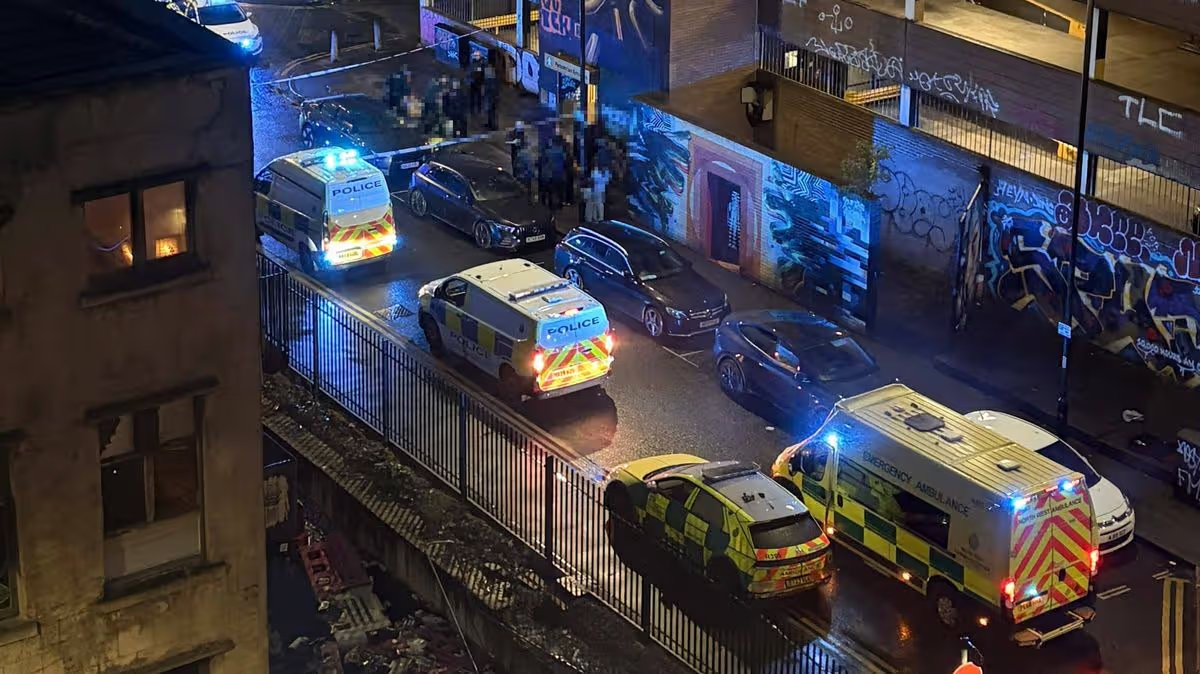


A recent, intensive week of London policing, dubbed Operation Terminos, laid bare the complex and often shocking nature of modern urban crime. In the Wembley area of North West London, over forty Metropolitan Police officers embarked on a coordinated blitz targeting the offenses that most erode community safety: theft, drug dealing, anti-social behavior, and the dangerous rise of illegal electric bikes and scooters. The Daily Mirror’s embedded reporting revealed not just the statistics—32 suspects arrested, 64 illegal vehicles seized, five knives recovered—but the human stories and systemic issues behind them. At the heart of the operation was a dual focus: confronting the brazen, organized theft plaguing local businesses and tackling the silent, speed-enabled menace of modified electric vehicles that now zip through traffic and pedestrian areas with alarming, and illegal, velocity.
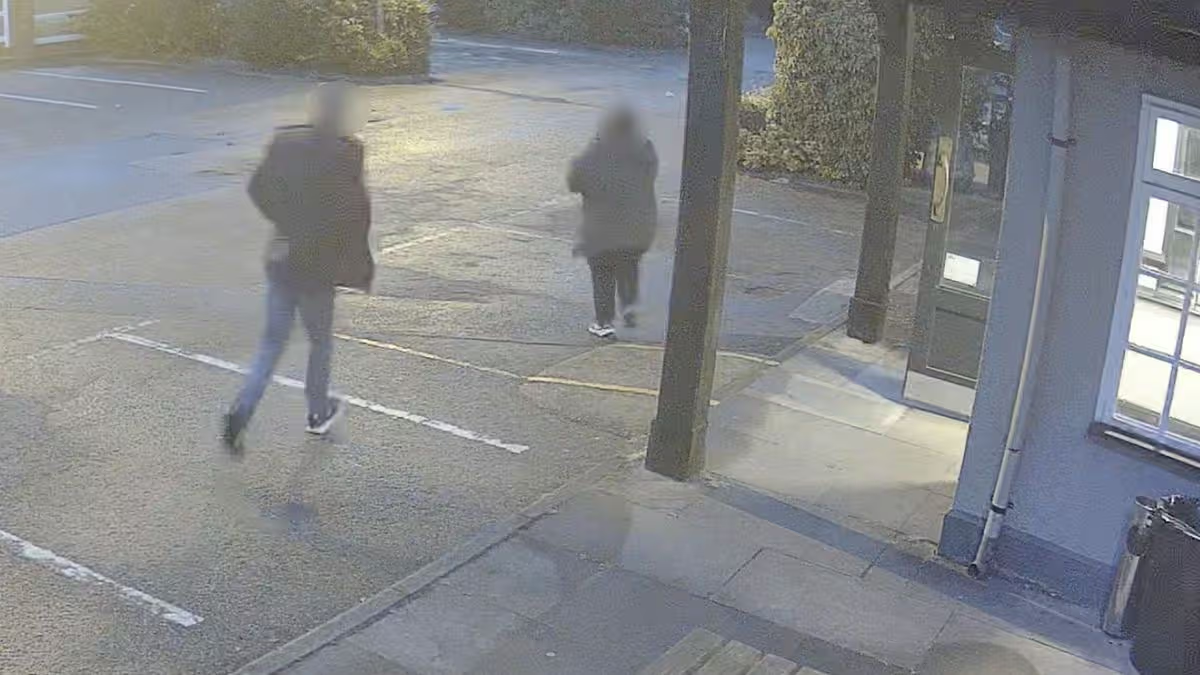
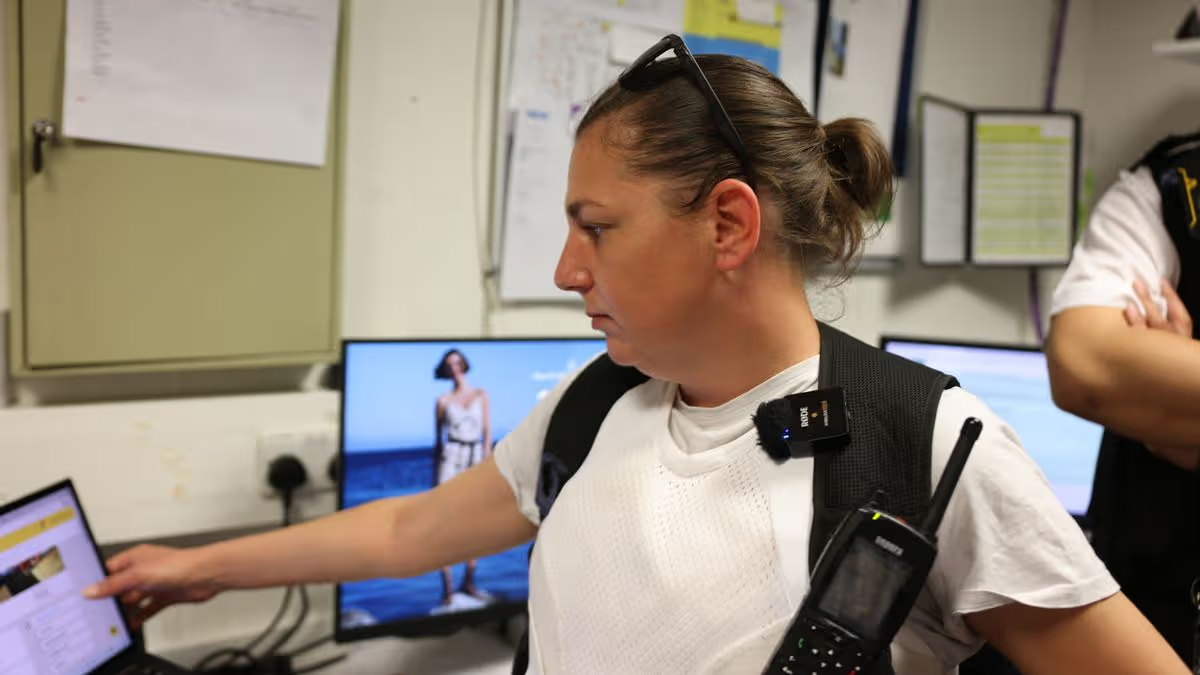
The fight against retail crime unveiled a particularly disturbing trend. Acting Police Sergeant Jo Van Wyk, showing mugshots of wanted shoplifters, explained that much of the theft is sophisticated and calculated. Goods, from basic staples like rice to high-value items like designer sunglasses, are often stolen “to order” for local minimarkets and takeaways, creating a black market for everyday commodities. More alarming was her revelation about the methods of organized gangs. She disclosed that criminals are now deploying children as young as five in shoplifting raids, knowing security guards are powerless to physically intervene. These children, sometimes sent by their own parents, grab armfuls of goods, exploiting their protected status as minors. This cynical manipulation of the young represents a grim evolution in retail crime, where profit is pursued without any regard for the welfare or future of the children involved.
Parallel to the shoplifting crackdown, Operation Terminos zeroed in on the growing crisis of illegal e-bikes and e-scooters. Traffic officers, like PC Matt Looker, spend increasing amounts of time dealing with these vehicles, which are often modified far beyond their legal speed limit of 15.5 mph. The Mirror witnessed officers seizing vehicles capable of 30 to 40 mph, with PC Looker noting some can even reach 70 mph. “At these speeds they can cause serious injury,” he emphasized, “and unlike a motorbike, you can’t hear them coming.” This stealthy speed turns pavements and bike lanes into potential danger zones, threatening pedestrians and other road users alike. The operation’s very first arrest underscored how these vehicles are integrated into broader criminality: a suspect on a moped, disguised as a delivery rider, was caught with ten canisters of suspected cannabis, highlighting a common tactic used by drug dealers to operate under a cloak of mundane legitimacy.
The human impact of these seizures was immediate and personal. On Wembley High Road, a delivery rider was forced to complete his pizza delivery on foot after his employer’s moped was confiscated for being non-compliant. His bewildered statement, “It belonged to my employer so I didn’t know it was not legal,” points to a wider issue of exploitation and a lack of regulation in the gig economy. Meanwhile, Sergeant Nick Wemborn of the Met’s Interceptor unit detailed the cat-and-mouse games played during arrests. He described one suspect who offered a single tube of cannabis, claiming it was for personal use in a transparent “distraction technique” hoping for a mere caution, while concealing the bulk of his inventory intended for supply. These interactions reveal the constant challenge officers face in discerning truth from deception on the front lines.
Leading the week of action, Chief Inspector Yu Zhang framed the operation as a direct response to the concerns of local residents. “This week of action deliberately targeted the crimes that local people tell us matter most,” she stated, linking police activity directly to community feedback. Her philosophy underscores a modern policing approach focused on proactive prevention: “Our approach is about protecting neighbourhoods and preventing harm early, taking dangerous weapons off the streets, seizing illegal vehicles and holding offenders to account.” This strategy appears to be yielding results; she noted that neighbourhood crime across North West London fell by 6.4% last year, with shoplifting in the borough of Brent down by 10%. These figures suggest that sustained, focused pressure can make tangible dents in crime statistics.
Ultimately, Operation Terminos served as a stark snapshot of contemporary metropolitan law enforcement. It highlighted the interwoven threads of crime—from the exploitation of children in organized theft to the dangerous modifications of personal transport vehicles used in drug distribution. Beyond the confiscations and arrests, the operation revealed the daily realities for both the police and the policed: the officers sifting through distractions to uncover intent, the workers caught in the middle of regulatory crackdowns, and the community’s relief at seeing proactive measures against the offenses that degrade their quality of life. It is a continuous, multifaceted battle, one that requires not just force but nuance, targeting not only the acts themselves but the increasingly inventive and exploitative methods behind them.