


The incident at The Halfway House in Brentwood, Essex, represents not just a petty crime, but a calculated and brazen act of deception that left staff feeling both financially cheated and personally demoralized. On May 16th, a couple who appeared to be ordinary patrons executed what the restaurant’s general manager, Deanne Perkins, dubbed the “ultimate dine and dash.” Their bill totaled a staggering £231.30, accumulated through a feast of several starters, two steaks, ice cream sides, and an astonishing 14 Baby Guinness shots. From the outset, their behavior contained subtle clues that suggested premeditation. Upon arrival, they requested to be moved from their initial seating to a larger table situated near the restaurant’s rear exit—a detail that later stood out as a strategic choice for a swift, unnoticed escape.
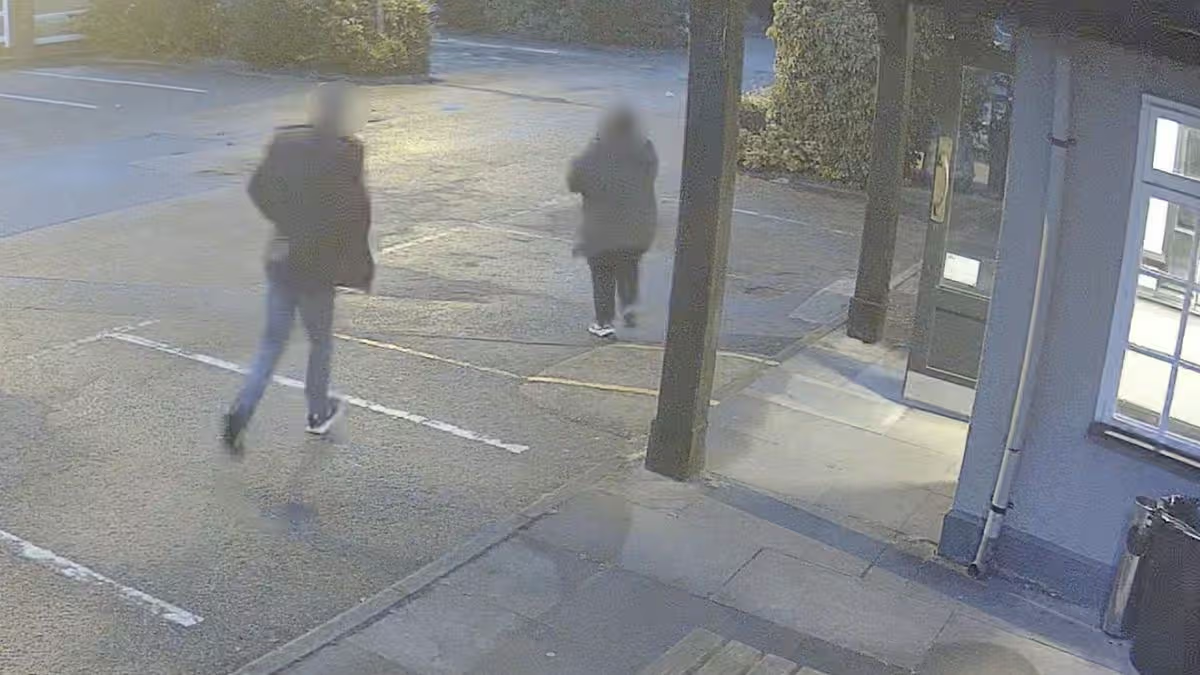
The couple’s demeanor throughout the meal was described as chatty and normal, offering no overt indication of their impending scheme. They enjoyed their lavish order without apparent haste, blending seamlessly into the dining atmosphere. However, the exit strategy was executed with a coordinated coolness. The woman first stood, appearing to take a phone call, and casually slipped out through the front door. Meanwhile, the man remained, glancing around the room to ensure staff were not watching his section. Once satisfied, he rose and briskly walked toward the rear exit they had specifically chosen. CCTV footage later revealed the pair reuniting outside and running across the car park, fleeing not in a vehicle but into the neighborhood, leaving their unpaid bill behind.
For Deanne Perkins and her team, the discovery was a blow. Reviewing the CCTV footage that evening, the reality of the situation unfolded: a deliberate theft of services and goods. The financial loss for a small business is significant, but the emotional impact—the feeling of having been used and deceived by people who engaged in friendly conversation—is equally profound. Deanne reported the incident to Essex Police, but also took the step of sharing the footage online. This action was twofold: to raise awareness for other local businesses about this pair, and to apply a form of public accountability in hopes of recouping the loss.
The public sharing of the story did, in fact, produce a partial result. According to Deanne, the woman from the couple later returned to the restaurant after seeing the footage online. She paid £90 toward the bill, claiming she had not realized they had left without settling the account. This explanation was met with skepticism by the management, given the clear evidence of her running from the scene. Regardless, her payment covered a portion of the loss. The male companion, however, has not been in contact or offered any payment, leaving half of the debt unresolved and his actions wholly unaccounted for.
This episode highlights a growing and distressing trend for hospitality businesses: the “dine and dash.” It transcends simple opportunism; the specific request for a table near an exit, the large and expensive order, and the coordinated departure all point to a planned exploit. Such acts are demoralizing for staff who work hard to provide a welcoming environment, only to be met with exploitation. The support from the public following the online post, however, offered a counterbalance to the disappointment, reminding the business that their community values honesty and condemns such behavior.
Ultimately, the story of this Essex dine-and-dash is a microcosm of a wider societal issue. It underscores the vulnerability of service industries to calculated fraud and the emotional toll it takes on small business owners. While partial restitution was achieved through public exposure, the incident leaves unanswered questions about the motivations behind such premeditated acts and the broader need for protective measures. For The Halfway House, it was a lesson in vigilance, but also a reminder of the power of community support in facing such challenges.