


Here is a humanized summary of the event, expanding on the core details to provide a clearer picture of the incident and its human impact.
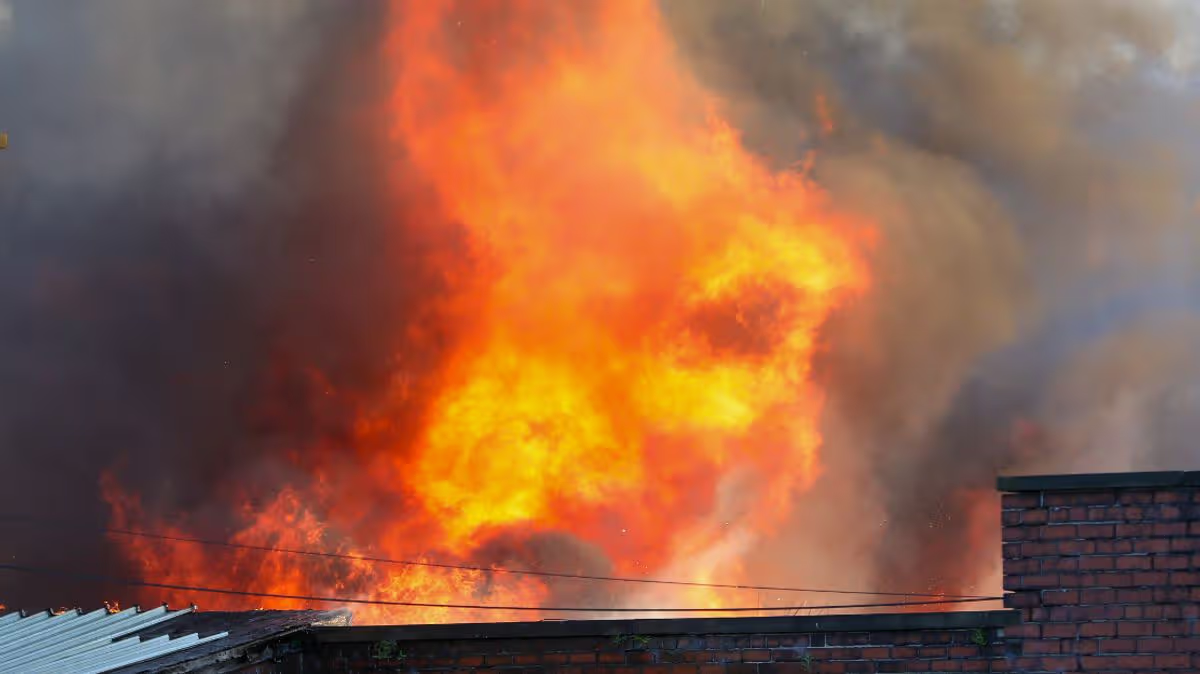
On a Tuesday evening in Radcliffe, the familiar rhythm of community life was abruptly shattered by an escalating emergency. Just after 7:15 PM on April 21st, calls flooded into the Greater Manchester Fire and Rescue Service, reporting a serious building fire on Milltown Street. Recognising the potential scale and danger of the incident, controllers immediately initiated a major response. In a coordinated surge, eight standard fire engines along with three vital specialist appliances—which could include aerial ladder platforms, bulk water carriers, or command units—were mobilised from stations across the region. This substantial deployment underscored the seriousness with which the first responders approached the unfolding situation, prioritising a swift and overwhelming force to combat the flames.
Fire crews arrived at the scene with speed, but were met with a challenging and dynamic scenario. The building, its exact nature yet to be fully confirmed to the public, was actively consumed by fire, presenting immediate risks to structural integrity and potentially to any individuals inside. The firefighters’ training kicked in as they deployed a multi-faceted attack on the blaze. Using high-pressure water jets from ground level to directly assault the heart of the fire, they simultaneously brought their turntable ladders into play. These impressive pieces of equipment allowed teams to gain an elevated advantage, pouring water down onto the roof and upper floors to prevent the fire’s vertical spread and to reach areas inaccessible from the street. The air filled with the sounds of sirens, shouts of coordination, the roar of flames, and the powerful spray of water—a stark auditory testament to the battle underway.
Concurrently, a critical public safety operation was launched to protect the surrounding community. Understanding that smoke and embers pose a significant health hazard and risk of secondary fires, authorities quickly issued urgent advice to local residents. Through official statements and likely local media alerts, people living near Milltown Street were instructed to close all their windows and doors to prevent toxic fumes from entering their homes. Furthermore, they were strongly urged to avoid the entire area. This request served multiple purposes: it kept curious onlookers from inadvertently hampering the crucial work of the emergency services, ensured roads remained clear for further appliance movement if needed, and, most importantly, kept the public at a safe distance from potential falling debris or sudden flare-ups.
Behind the immediate firefighting and public advisories, a complex support network was activated. The presence of specialist appliances indicated that this was no routine call. Aerial ladder platforms provided essential height for firefighting and reconnaissance, while command units would have become the nerve centre on the ground, coordinating the different crews and liaising with other agencies. Investigators also began their preliminary work at the periphery, seeking to understand the fire’s origin and cause. Throughout it all, the welfare of the firefighters themselves remained a priority, with support crews managing shifts, equipment, and hydration as teams worked in demanding and dangerous conditions.
The human impact of such an event extends far beyond the physical damage. For the occupants of the building—whether residents or business owners—the fire represents a devastating and traumatic loss, potentially destroying homes, livelihoods, and irreplaceable personal possessions. Neighbours faced an evening of anxiety, watching the drama unfold, concerned for their safety and the safety of their street. The broader Radcliffe community was left with a sense of disruption and shared concern, reminded of the vulnerability that such sudden emergencies bring. The sight of their local fire service responding with such a significant force would have been both alarming and, simultaneously, a source of reassurance that skilled professionals were in control.
As the operation continued into the night, the immediate goals were containment, extinguishment, and cooling down to prevent reignition. The longer-term process of recovery, however, would begin long after the last flame was out. This would involve detailed forensic investigation to determine the cause, structural assessments of the damaged building, and support services for those displaced or otherwise affected by the blaze. The response on Milltown Street stands as a powerful example of emergency planning in action, showcasing the coordination between different firefighting units and the critical partnership between emergency services and an informed, cooperative public in managing a serious community incident.