




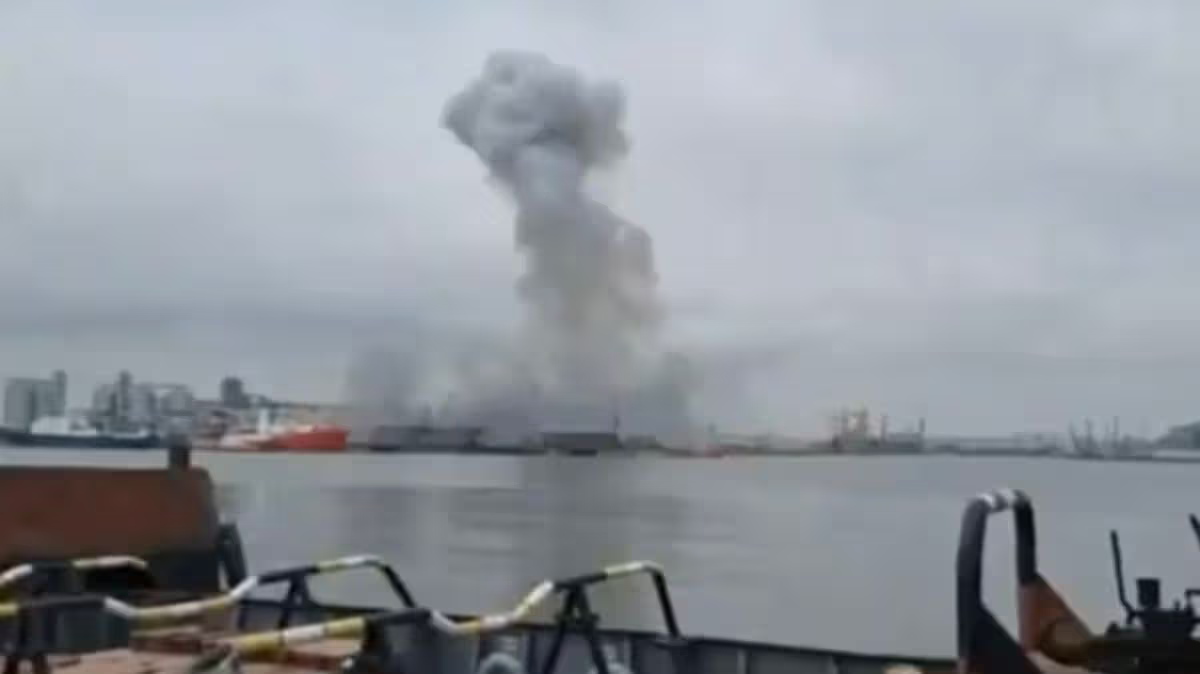
In a startling and unprecedented incident, a routine morning at Romania’s most vital maritime gateway was shattered by a sudden explosion. The port of Constanta, the largest coastal and port city in the nation and a crucial economic hub on the Black Sea, became the scene of a mysterious and alarming event when a sea drone detonated within its confines. The blast occurred at approximately 10:30 AM Eastern European Summer Time, sending shockwaves through the port area and immediately triggering a massive, multi-agency emergency response. This event marks a significant and concerning escalation in the security landscape of the Black Sea region, bringing the shadow of maritime drone warfare to the doorstep of a NATO member state’s primary port facility.
The immediate aftermath was a scene of coordinated chaos as Romanian authorities swung into action with precision. Police units swiftly established a wide security perimeter, cordoning off the affected area to secure the site for investigation and to protect the public. Simultaneously, border guard forces, paramedics, and firefighting teams descended on the port, their presence underscoring the seriousness with which the explosion was treated. In a dramatic display of the response’s scale, a Black Hawk helicopter was mobilized by Romania’s Department for Emergency Situations (DSU), providing aerial surveillance and logistical support. This comprehensive mobilization of both ground and aerial assets highlighted the incident’s classification as a major emergency, with officials treating the scene with extreme caution.
Miraculously, amidst the debris and disruption, there were no reports of human casualties. DSU spokesman Bogdan Toma confirmed this critical detail, stating that the immediate priority of evacuating personnel and bystanders from the surrounding area had been successfully achieved. This absence of injuries represents a profound relief in an otherwise deeply unsettling event. It suggests the drone’s detonation occurred in a relatively isolated section of the vast port or that early warnings, whether from surveillance or the drone’s own trajectory, allowed for a preventative evacuation. Nonetheless, the psychological impact and the breach of security are profound, transforming a bustling center of commerce into a zone of potential vulnerability.
The object at the center of the explosion—a “sea drone”—immediately raises grave and complex questions. These unmanned maritime vessels, which have become a hallmark of the ongoing conflict in the Black Sea, are typically used for surveillance or as explosive-laden weapons. Their appearance in Constanta, hundreds of kilometers from the primary conflict zones, signals a potential dramatic expansion in their operational range or a deliberate targeting of Romanian infrastructure. Authorities have not yet officially attributed responsibility for the drone’s origin or its intended target. The investigation will undoubtedly focus on determining whether this was a deliberate attack, a navigational error by an actor in the ongoing war, or perhaps even a lost or discarded device that drifted into the port.
The implications of this incident extend far beyond the charred wreckage at the water’s edge. The Port of Constanta is not only the engine of Romania’s maritime economy but also a strategic NATO asset. A successful attack or even a proven targeting attempt on such a site carries severe geopolitical ramifications. It tests the alliance’s defensive posture in the Black Sea and challenges the security of vital supply lines. This event will inevitably force a rigorous reassessment of port security protocols across the region, from enhanced surveillance and drone detection systems to revised naval patrol patterns. The psychological barrier that previously kept such direct threats at a distance from NATO territory has now been breached.
As the dust settles and the forensic investigation begins in earnest, Romania and its allies are left confronting a new and unsettling reality. The explosion in Constanta is a stark reminder that hybrid threats, particularly involving low-cost, hard-to-detect maritime drones, can manifest far from traditional front lines. While the thankful lack of injuries prevents this from being a human tragedy, it stands as a severe warning shot—a demonstration of vulnerability in an age of asymmetric warfare. The coming days will be critical as Romanian authorities piece together the drone’s journey, intent, and ownership. The answers they find will not only determine the response to this single event but will also shape the defensive strategies of every Black Sea nation moving forward into an increasingly unpredictable maritime future.