


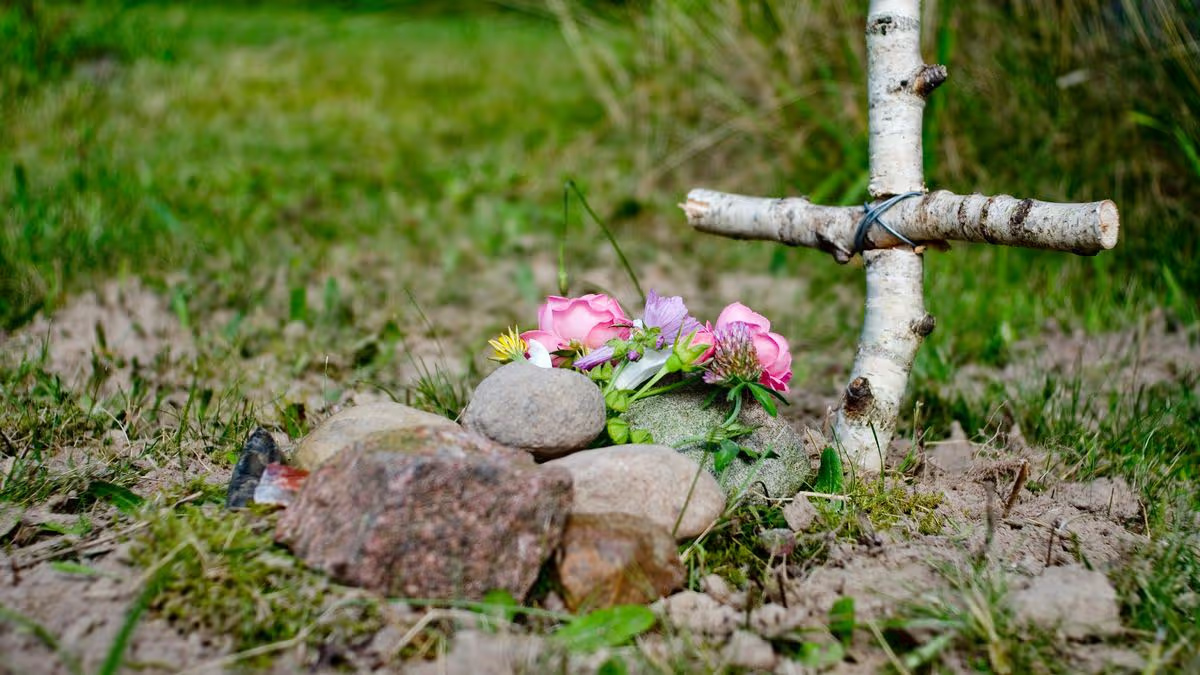
Of all the bonds we form in life, the one with a pet is uniquely profound. They are silent witnesses to our daily lives, offering unconditional companionship that leaves an indelible mark on our hearts. In the United Kingdom, this connection is widespread, with over 60% of households sharing their homes with a beloved animal—from cats and dogs to rabbits and guinea pigs. When the inevitable moment of loss arrives, the grief is deeply personal, and for many, the instinct is to provide a final resting place that feels intimate and close. The image of a gentle burial under a familiar tree in the garden seems a natural, comforting conclusion to a shared life. However, what many grieving owners may not realise is that this private act of love is governed by a complex web of legal and environmental regulations designed to protect public health, wildlife, and the environment itself.
The rules surrounding pet burial at home are stringent, and rightly so. While it is legal to bury a pet in your garden or on private land in the UK, it is not an unregulated act. The process falls under the same serious umbrella as human burials in terms of environmental oversight. First and foremost, you must be the legal owner of the property or have the explicit, documented permission of the landowner. For those renting their homes, this is a critical first step; proceeding without a landlord’s consent can lead to significant complications. The chosen site must be discreet, not in public view, and critically, it must be located a safe distance from water sources. The Environmental Protection Act 1990 explicitly prohibits burial near waterways to prevent contamination. Guidelines recommend a minimum of 10 metres from any stream, river, or ditch, and at least 50 metres from a well or borehole.
The practicalities of the burial itself are also clearly defined. The grave must be dug to a sufficient depth—typically at least one metre—to ensure proper decomposition and, crucially, to deter scavenging animals like foxes from disturbing the remains. This depth is not merely a suggestion; it is a vital measure for biosecurity and respect for your pet. Furthermore, the burial should be conducted with environmental consciousness. Wrapping your pet’s body in non-biodegradable materials like plastic is strongly discouraged, as it hinders natural decomposition and can leach chemicals into the soil. The goal is to create a resting place that is both lawful and truly respectful, allowing your pet to return to the earth naturally and safely.
However, a significant and often overlooked complication arises if your pet was euthanised by a veterinarian. The drugs typically used, such as pentobarbitone, are controlled substances that persist in the body after death. If a burial is too shallow or improperly sited, these toxins can pose a severe risk to scavenging wildlife, other pets, and even the soil and water table. This concern is so substantial that it is directly addressed by the Animal By-Products Regulations. These regulations classify deceased animals as ‘by-products’ and state that if a pet “may prove hazardous to anyone who may come into contact with it,” a home burial may be inappropriate. Veterinary bodies strongly advise that if your pet was euthanised, received chemotherapy, or was on any controlled medication, you must always consult your vet before considering a home burial. They can provide expert guidance on whether it is safe to proceed.
The regulations become even more specific for non-traditional or larger animals. For exotic pets, such as reptiles or birds of prey, the Wildlife and Countryside Act 1981 may apply, especially if the species is protected, potentially requiring notification of authorities. For horses, burial on private land is permitted but subject to far stricter requirements due to their mass and environmental impact. A equine grave must be at least 250 metres from a watercourse, 50 metres from a well, and often needs to be 1.5 to 2 metres deep. For many pet owners, navigating these rules during a time of grief can feel overwhelming, which is why professional pet cemeteries and cremation services exist. These facilities are themselves highly regulated, requiring registration with the Animal and Plant Health Agency, and they ensure all procedures comply with the law, offering peace of mind during a difficult time.
For those who choose cremation, there are also considerations for the final act of remembrance. The Environment Agency clarifies that you do not need permission to scatter or bury the ashes from a single pet cremation on your own land. However, if you wish to use someone else’s land, you must obtain the owner’s consent. If scattering ashes on surface waters, like a river or lake, it must be done thoughtfully to minimise any impact on the environment and wildlife, and no memorabilia or other items should be included. One final, poignant point from pet burial experts is to consider the future. Burying a pet in your garden may provide immediate comfort, but life circumstances change. Moving to a new home could mean the heartbreaking prospect of leaving your beloved companion behind. Ultimately, the decision on how to say goodbye is a deeply personal one, but it must be informed by a responsibility to the law, the environment, and the community—ensuring that our final act of love for our pets is as safe and respectful as the care we gave them throughout their lives.