


Jennifer Taylor’s skin is as fragile as a butterfly’s wings. At 34, she has lived her entire life with dystrophic epidermolysis bullosa (DEB), a rare genetic condition that causes the skin to blister and tear from the slightest friction or trauma. Simple, everyday acts—writing with a pen, walking to school, even eating—have always been sources of pain and injury. As a child, her feet would blister from walking, forcing her to wear slippers in the classroom, while the act of writing could make her hands bleed. Beyond the physical toll, Jennifer endured the loneliness and cruelty of bullying, watching from the sidelines during playtimes and sports days, her self-esteem eroded by a world that saw her differences but not her strength. The condition also affected her internally, causing blistering and scar tissue in her oesophagus that required painful surgical procedures. Growing up, she felt profoundly isolated, a teenager unable to wear makeup, style her hair, or use perfume without triggering a painful flare-up, her spirit weighed down by constant pain and a sense of being utterly alone.
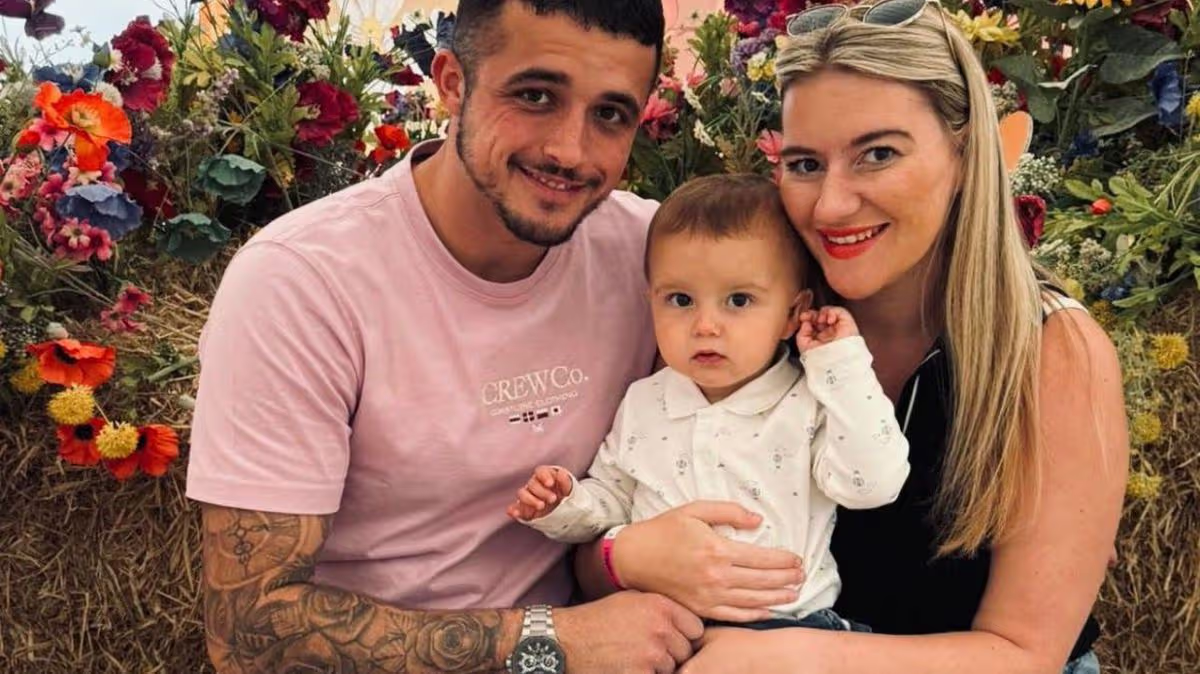
A beacon of hope entered Jennifer’s life at 16 in the form of Matthew, who would become her husband. His immediate willingness to understand her condition and his steadfast support became her foundation. When Jennifer became pregnant in 2021, however, joy was mingled with anxiety. The pregnancy brought intense itching, and for her, scratching came at a terrible cost: severe blistering. To protect both herself and her baby, she gave birth via caesarean section, which itself required weeks of specialised dressings to heal. Initially, her newborn son, William, showed only minor skin marks she attributed to typical newborn sensitivity. But just ten days later, during a gentle bath, a devastating moment confirmed her deepest fear. As William kicked in the water, the skin from his knee to his ankle peeled away. In that instant, Jennifer knew her son had inherited the condition. “It felt awful to know he had it because of me,” she recalls. “I was devastated.”
The family’s world immediately reconfigured around managing this relentless condition for two generations. Jennifer became a full-time caregiver, changing William’s dressings up to ten times a day while managing her own painful blisters, which could be triggered by something as simple as a bump while cooking or the heat from cradling her own child. Mountains of laundry accumulated from weeping wounds, and every detail, from seamless clothing to ultra-soft blankets, was carefully chosen to minimise agony. William, like his mother, developed painful mouth blisters from chewing and teething. Jennifer’s husband and mother formed a vital support network, but the emotional weight was immense. Even the planned newborn photoshoot became a poignant symbol of their new reality; they asked the photographer to Photoshop out the plasters covering William’s leg, a desperate wish for one picture of a “perfect” baby before a lifetime of bandages.
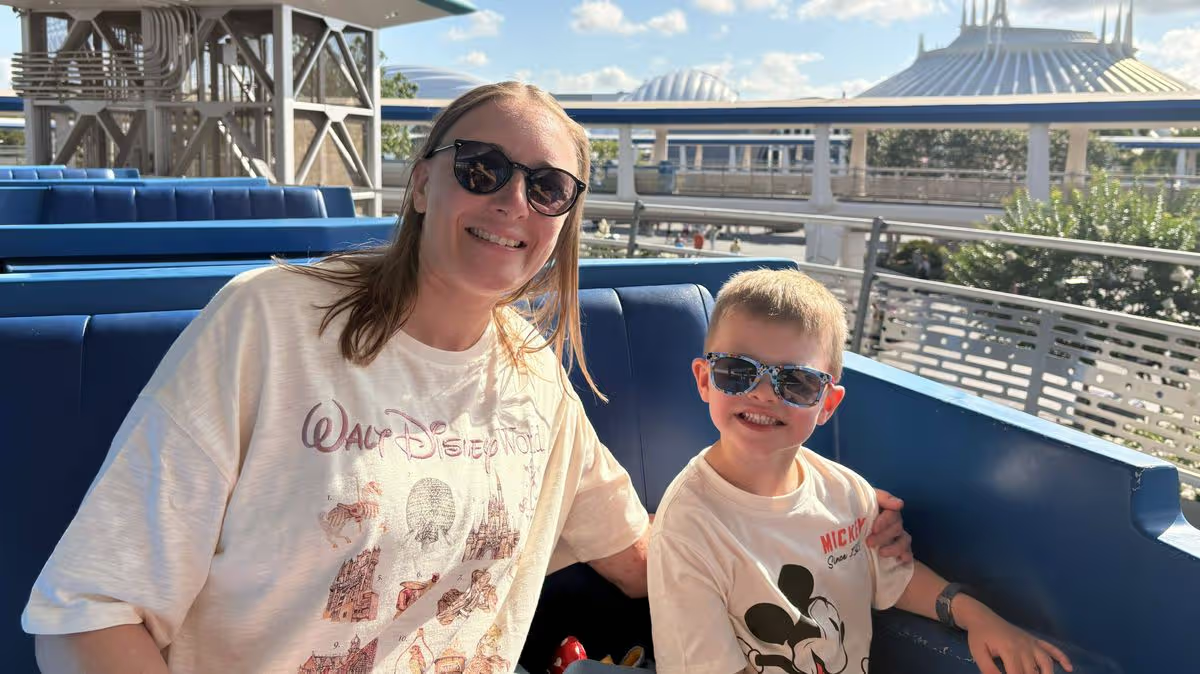
Today, William is a spirited four-year-old who, in his mother’s words, is a “typical four-year-old, running around all day.” He understands he must be careful, telling people he “gets hurt easily,” but his zest for life is undimmed. Jennifer, however, lives with the haunting echoes of her own childhood, “terrified” of the bullying he may face when he starts primary school. To prepare, the national charity DEBRA visited his nursery to educate staff, a step that gives Jennifer hope that greater awareness can foster a more supportive environment. The family’s resilience shines through in their determination to create joy. A recent trip to Disney World was made possible by a specially adapted Spider-Man wheelchair, funded by DEBRA and Whizz Kidz, though it required an entire suitcase dedicated just to the necessary medical dressings for Jennifer and William.
Beyond the daily personal battles, Jennifer highlights a systemic struggle faced by thousands of the estimated 5,000 people in the UK with Epidermolysis Bullosa (EB). There is a critical lack of understanding, even within the medical community. Families often receive incorrect or inferior dressings from GPs who are unfamiliar with the condition’s severe demands. In response, DEBRA has campaigned for change, urging the government to mandate that GPs follow the precise prescriptions from specialist EB centres. The goal is to end the dangerous postcode lottery of care and ensure every patient receives the specific materials they need to prevent infection and manage pain. “We wish that even doctors knew more about it,” Jennifer says, explaining that the constant, costly cycle of dressing changes is a monumental part of their existence, often invisible to outsiders.
Jennifer Taylor’s story is one of profound courage, maternal love, and an unyielding plea for awareness. She and William do not always “look sick,” which masks the relentless, painful reality of their days. From the hidden internal scarring to the visible bandages, their lives are a testament to navigating a world not built for such fragility. Yet, they move forward—supported by family, advocacy groups, and each other. Jennifer’s journey from a bullied child to a protective mother and advocate underscores a powerful message: understanding and correct medical support can dramatically improve the quality of life for those with “butterfly skin.” Their family’s strength challenges us to look beyond the surface, to see the resilience within fragility, and to build a more informed and compassionate world for all those living with rare conditions.