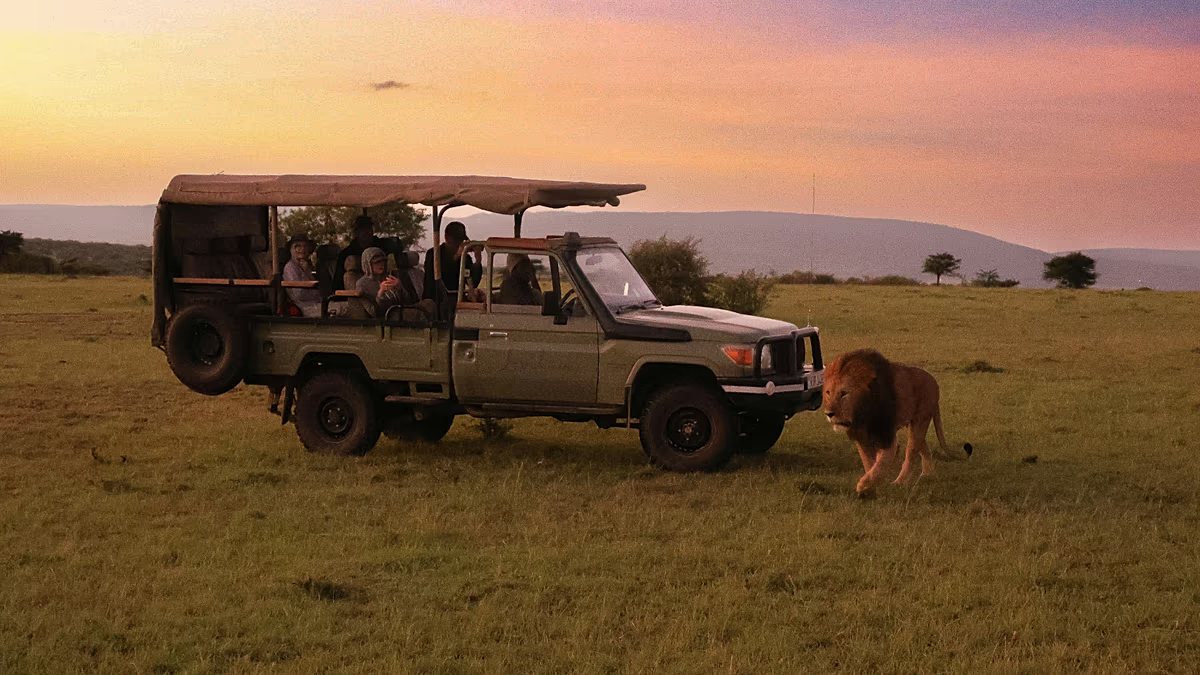


The classic image of a safari—a utilitarian canvas tent and days spent solely in pursuit of the Big Five from a rugged vehicle—is being beautifully reimagined. Across Africa, a new generation of luxury lodges is emerging, transforming the safari from a purely wildlife-centric expedition into a holistic, design-led journey. These properties are placing equal emphasis on breathtaking architecture, gourmet cuisine, immersive wellness, and profound connection to the landscape, offering a more relaxed and deeply sensory way to experience the continent’s untamed wonders. This shift caters to the modern traveller who seeks not just animal sightings, but a restorative escape that engages all the senses, blending high-end comfort with an authentic, environmentally conscious spirit.
In South Africa’s Eastern Cape, Mantis Hiddn exemplifies this elevated, eco-sensitive approach. Perched on a mountain top within a private reserve in Addo Elephant National Park, it bills itself as an “off-grid” retreat of remarkable opulence. Its suites and private villas feature wood-fired hot tubs and infinity pools, yet the operation runs on solar power and water recycling systems, built with locally sourced materials. Here, the experience extends beyond guided safaris to include stargazing sessions, nature walks, and even helicopter tours along the dramatic coastline, all while meals celebrate seasonal local produce. It’s a testament to how luxury and sustainability can coexist without compromise.
Tanzania, a safari heartland, is witnessing a significant curation of luxury with the Auberge Safari collection. This debut from the Auberge Resorts Collection unites two esteemed operators under one umbrella, offering a seamless journey across iconic regions like the Serengeti and the more private Greater Mwiba area. The portfolio offers varied rhythms: from the “Slow Safari” philosophy at Chem Chem Lodge, which encourages unhurried connection with nature, to the front-row seats to the Great Migration at Mwiba Plains. Properties like Mwiba Lodge, with its tented suites perched on granite kopjes, blend exhilarating game drives with cultural visits and sublime bush dinners, providing a deeply immersive tapestry of Tanzanian wonders.
For those seeking ultimate seclusion and wellness, Zambia’s Anantara Kafue River Tented Camp presents a compelling destination. Set within the vast wilderness of Kafue National Park, arrival by helicopter sets the tone for this ultra-luxurious escape. Elevated deluxe tents, each with a private plunge pool and a dedicated boat on the Kafue River, prioritize panoramic immersion. The experience is curated around holistic rejuvenation, featuring a spa with locally inspired rituals and culinary journeys that move from riverbank picnics to traditional boma dinners. It represents a safari where the pace is intentionally slow, allowing the majestic landscape itself to be the main attraction.
The concept of “slow travel” finds another elegant expression in Tanzania’s less-trodden south at Ubuyu, Banyan Tree’s first safari venture in Africa. Located in the baobab-studded, predator-rich Ruaha National Park, the lodge’s design is a standout, drawing inspiration from local building styles to create villas that blend seamlessly into the riverside landscape. With an emphasis on open layouts, natural materials, and indoor-outdoor living, Ubuyu promotes a contemporary, calming aesthetic. The programming intentionally balances private game drives with ample time for guests to simply unwind in the villa or the serene common areas, advocating for a safari that is as much about internal reflection as external exploration.
Looking to the future, the evolution continues with projects like Singita Elela in Botswana’s fabled Okavango Delta, slated to open in late 2026. This venture brings the renowned conservation-focused brand to a new region, promising exclusive access to a labyrinthine wetland ecosystem teeming with life. True to its ethos, the lodge will feature a small number of low-impact, elevated suites designed for privacy and deep immersion. It underscores the enduring direction of luxury safari: a steadfast commitment to conservation-led, low-impact tourism that offers profound intimacy with nature, ensuring that these pristine landscapes and their majestic inhabitants thrive for generations to come, all while providing guests with an experience of unparalleled remoteness and refinement.