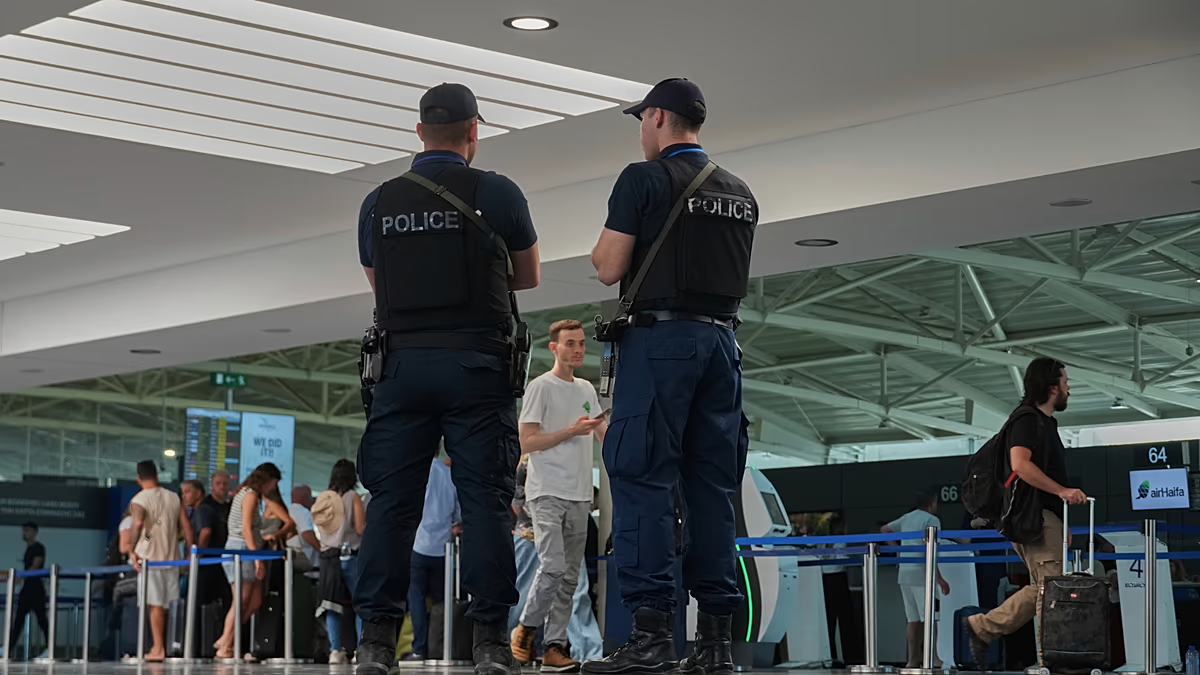



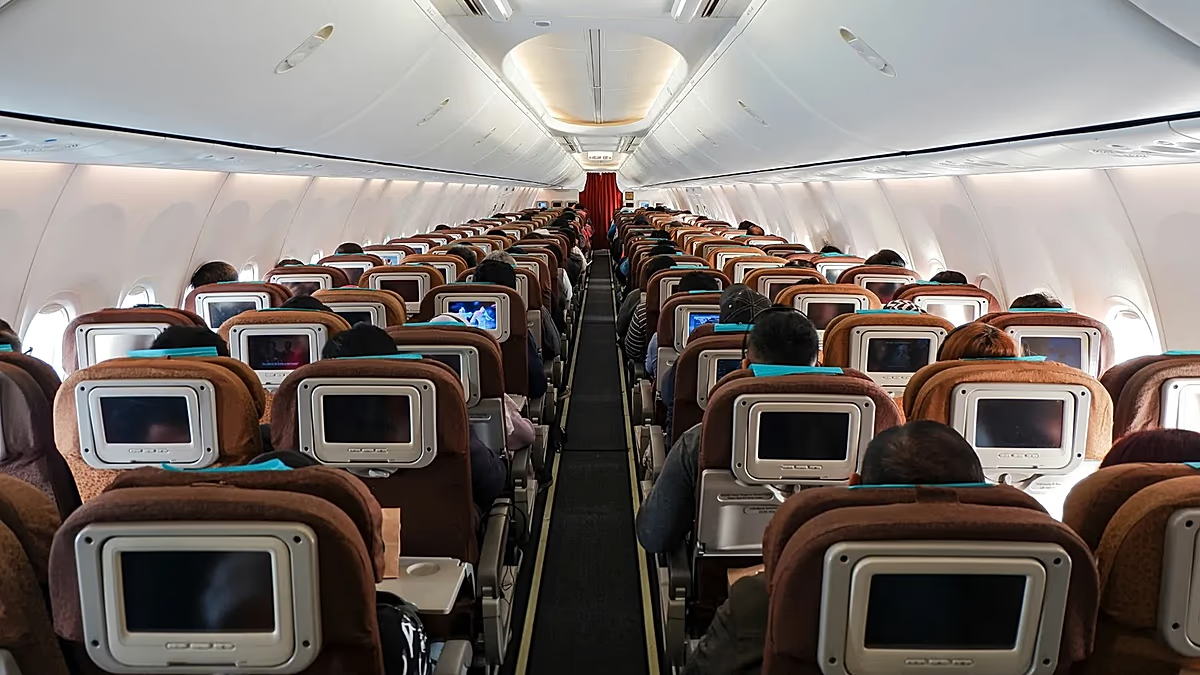
As the summer travel season reaches its peak, bringing with it the familiar frustrations of crowded airports and delayed flights, the UK government is contemplating a significant escalation in how it tackles one of aviation’s most persistent problems: disruptive passengers. Rather than relying on individual airlines to manage offenders, officials are now in discussions with the aviation industry to create a national blacklist. This system would prevent passengers involved in serious incidents—such as drunkenness, abuse of cabin crew, or mid-air altercations—from booking flights with any carrier operating in the UK. This represents a fundamental shift from the current patchwork of airline-specific bans, which critics argue simply allow problematic travellers to hop from one carrier to another, undeterred.
The push for a tougher stance is not happening in a vacuum. Airlines have reported a noticeable increase in unruly behaviour, particularly during high-pressure holiday periods. The issue is often fuelled, quite literally, by alcohol. The debate was recently reignited by Ryanair’s CEO, Michael O’Leary, who highlighted the practice of early morning drinking in airports. Because airports operate in a sort of legal limbo outside normal licensing hours, there are no universal restrictions on when alcohol can be served. O’Leary pointed out that this contributes to a situation where his airline experiences nearly one flight diversion per day due to passenger misconduct. The proposed blacklist is seen as a necessary tool to address the consequences of such behaviour, targeting the individuals rather than just the symptom.
For the average traveller, the prospect of a national ban brings a sense of relief and a call for greater accountability. As one government source aptly put it, while everyone should be able to enjoy a drink at the airport, antisocial behaviour at 30,000 feet is a different matter entirely. It transforms a shared public space into a scene of stress and potential danger, threatening the safety of crew and fellow passengers and ruining hard-earned holidays. The emotional and operational toll of these incidents is immense, causing delays, diversions, and a climate of anxiety. The proposed system aims to protect the vast majority of polite passengers from the actions of a tiny, reckless minority.
However, turning this proposal into reality is fraught with legal and logistical complexities. The most significant hurdle is the UK’s data protection landscape, governed by the GDPR framework. Currently, these laws restrict the sharing of passenger details between companies, which is precisely why a person banned by one airline can simply book a ticket with another. Creating a shared database of banned individuals would require navigating these privacy laws with extreme care, ensuring any system is legally robust, proportionate, and transparent. Officials from the Department for Transport are set to meet with airline representatives to untangle these challenges, exploring how a jointly managed database could function within the confines of the law.
The aviation industry itself has largely welcomed the concept. Airlines UK, the industry body representing UK carriers, has expressed its support, stating it will work collaboratively with the government to develop the proposal. A spokesperson emphasised that additional measures for the most serious cases are an important next step in safeguarding air travel. This alliance between government and industry underscores a shared recognition that the status quo is insufficient. A coordinated, industry-wide approach is viewed as the only way to impose a meaningful consequence that acts as a genuine deterrent, rather than a temporary inconvenience.
In conclusion, the UK’s consideration of a national flyer blacklist marks a potential turning point in aviation security and passenger management. It reflects a growing impatience with the cycle of disruptive behaviour and a commitment to empowering airlines and authorities with more effective tools. While the path forward requires careful negotiation of privacy concerns and operational details, the core intention is clear: to make the skies safer and more pleasant for everyone. As summer travellers navigate the bustling terminals, this proposed policy hovers in the background, a reminder that the privilege of flight comes with a responsibility to behave with respect and consideration for all on board.