


A Community in Shock: The Investigation into the Blackley School Stabbing
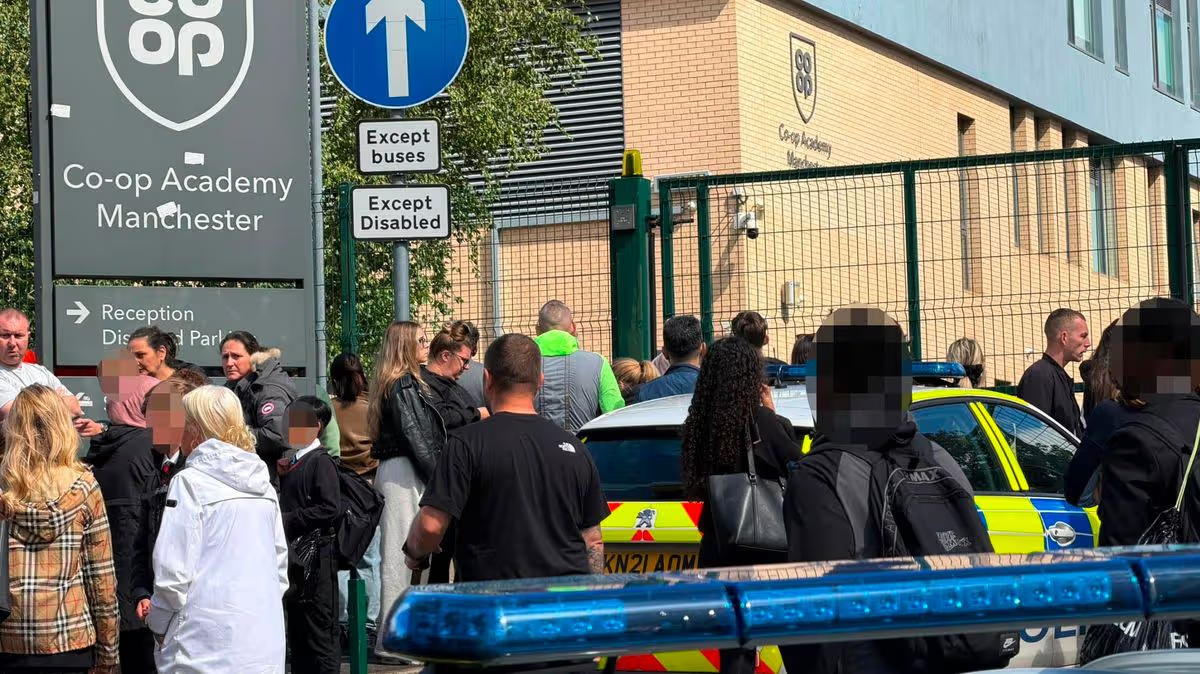
The atmosphere outside Co-op Academy in Blackley, north Manchester, remains tense and somber, days after a horrifying incident shattered the ordinary rhythm of a Tuesday morning. Greater Manchester Police continue their meticulous investigation into a stabbing that left a teacher and two pupils wounded, leading to the arrest of a 14-year-old girl. While the immediate physical danger has passed, the psychological aftershocks ripple through the school, the families involved, and the wider community. The presence of forensic officers and patrols serves as a constant, unsettling reminder of the violence that erupted within a place of learning, leaving everyone grappling for answers and a sense of security.
In a significant development on Thursday evening, authorities announced that Counter Terrorism Policing North West had taken the lead in the investigation. This shift, following further enquiries and the emergence of new information, has inevitably heightened public anxiety and speculation. However, law enforcement officials have been unequivocal in stressing that, at this stage, the attack is not being treated as a terrorist incident. Chief Superintendent David Meeney, Commander for Manchester, sought to address community concerns directly, stating that counter-terrorism detectives are “keeping an open mind to the motivation of the attack.” This careful delineation underscores the complexity of the case, where the involvement of specialized units does not presuppose a conclusion, but rather ensures that every possible angle is examined with the utmost rigor.
Central to the unfolding narrative is the condition and circumstances of the 14-year-old suspect. Arrested on suspicion of assault at the scene, she was initially detained under the Mental Health Act and assessed by healthcare professionals before being released into police custody. Chief Supt. Meeney confirmed that she remains in custody as detectives work “at pace” to understand why this incident took place. This aspect of the investigation highlights the tragic intersection of potential youth violence, mental health considerations, and the urgent quest for motive—a painful puzzle that investigators are striving to solve not only for justice, but for preventative understanding.
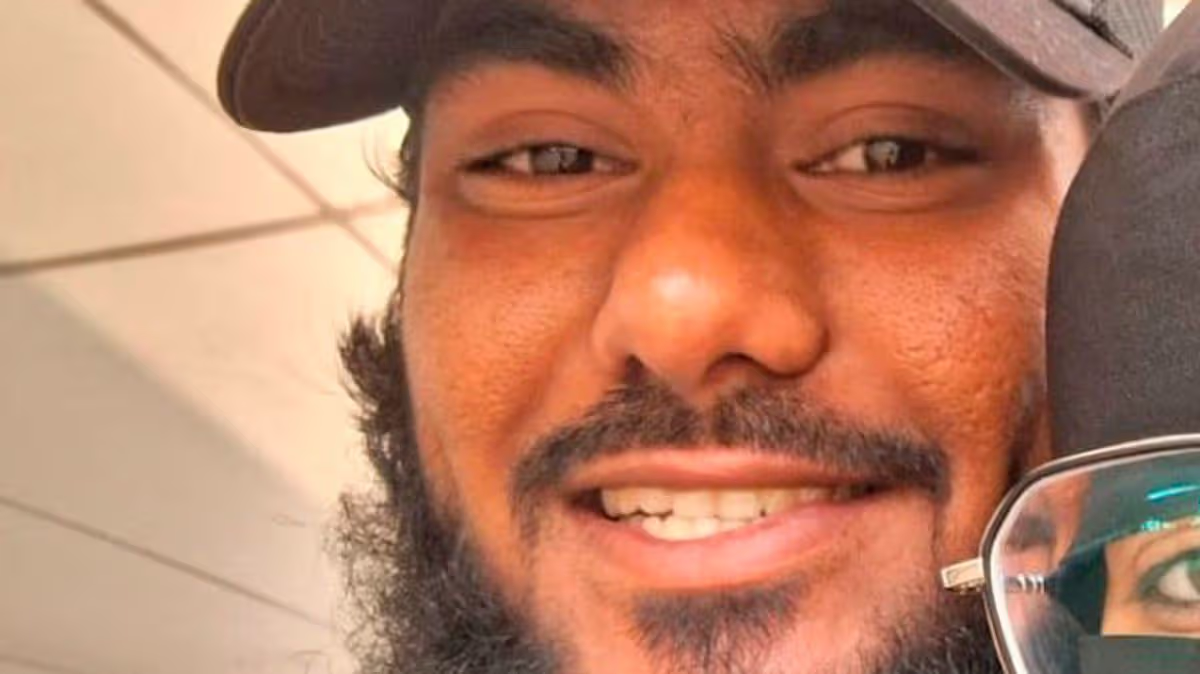
Amid the procedural updates, a story of profound courage has emerged, putting a human face on the trauma. Maysum Abdullah, a 27-year-old teacher, has been hailed as a hero for his actions during the attack, reportedly stepping in to protect pupils as the school went into lockdown. He sustained a serious neck wound in the process and was rushed to the hospital. In a heartfelt video message, his wife, Samia, shared the family’s ordeal, expressing gratitude that his injuries were not life-threatening while acknowledging the deeper scars left by the event. “The wound on his neck and his hand have been treated,” she said, “however these physical wounds are only part of what our family is now facing.” Her public thanks to colleagues, emergency services, and the community underscores the collective grief and solidarity that has followed the violence.
The incident has inevitably prompted difficult questions about safety, motivation, and support within educational settings. As Counter Terrorism Policing assumes the investigative lead, their expertise will scrutinize all facets of the case, yet the repeated assurance that it is not currently classified as terrorism is crucial for public discourse. It focuses attention on a broader spectrum of potential causes, from personal crisis to ideological extremism, all while mental health remains a key consideration. The police reassure that there is no information indicating any further threat, and visible patrols continue around the school to offer reassurance, yet the path to healing for students, staff, and particularly the injured, will be long and challenging.
Ultimately, the Blackley stabbing is a multi-layered tragedy—a violent act by a child, injuries inflicted upon children and a dedicated teacher, and a community left seeking solace. The investigation, now under the auspices of counter-terrorism specialists, continues its delicate balance of forensic detachment and human understanding. As the legal process unfolds for the young suspect, and as Maysum Abdullah and the wounded students recover, the episode stands as a stark reminder of the vulnerabilities within our society. It calls for compassion for the victims, thoughtful scrutiny of the systemic factors that may lead to such crises, and a renewed commitment to safeguarding the spaces meant for growth and learning.