
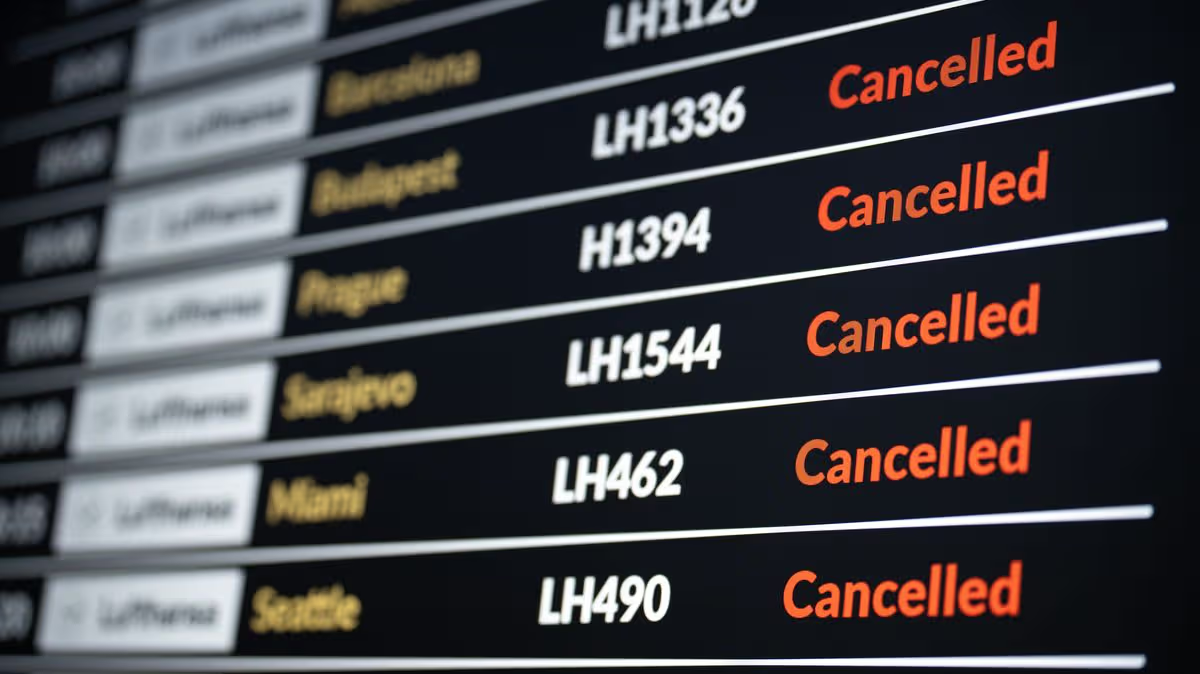



The summer of 2026 is shaping up to be a season of frustration and uncertainty for British holidaymakers, as a relentless wave of flight cancellations dashes travel plans and signals deep-seated troubles within the aviation industry. New data reveals a sharp and disheartening surge in grounded flights from major UK hubs like Heathrow, Gatwick, and Manchester, with over 40 services abruptly pulled from schedules in a single day. This disruption spans the entire spectrum of air travel, affecting both budget-conscious families and business travellers. Iconic carriers such as British Airways and American Airlines, alongside others like Air Canada, easyJet, and WestJet, have been forced to cancel journeys to premier destinations including New York, Toronto, Mumbai, Paris, Amsterdam, and Dublin. This latest batch of cancellations is not an isolated incident but rather a continuation of a chaotic spring, piling immense pressure on already strained airport operations as the crucial summer getaway period looms.
The ripple effects of these cancellations are profound and deeply personal. Passengers bound for North America have been among the hardest hit, facing cancelled flights and extensive delays on key routes between London and New York. Similarly, those travelling to visit family or conduct business in India have encountered major disruptions with services to Mumbai. The cancellation of a single long-haul flight creates a domino effect, disrupting aircraft and crew rotations that can impact multiple subsequent routes. Even short-haul European getaways, often seen as a simpler alternative, offer no respite. Flights to cities like Paris, Amsterdam, and Dublin have also been axed, causing a cascade of missed connections and logistical nightmares for travellers trying to reach final destinations. This widespread turmoil, impacting both flagship and budget airlines alike, points to systemic issues beyond any one company’s control.
At the heart of this crisis is a severe and ongoing jet fuel crisis, a direct consequence of the protracted conflict in the Middle East. With Iran exerting control over tankers in the critical Strait of Hormuz, global fuel supplies have been strangled, causing prices to more than double. Aviation analytics firm Cirium reports that this pressure has forced airlines to dramatically ramp up cancellations, with 296 departures from UK airports scrapped in May alone—a staggering increase from just 120 cancellations recorded six days prior. While schedule cuts for the peak summer months of June, July, and August appear more modest for now, the precedent set across Europe is alarming. Major airline groups like Lufthansa have already announced the axing of tens of thousands of flights in a desperate bid to conserve dwindling fuel supplies.
Faced with these existential pressures, airlines are walking a tightrope between operational viability and passenger obligations. Under UK regulations, carriers can avoid costly compensation payouts by cancelling flights with at least two weeks’ notice, a loophole that is now being used strategically to manage thinning schedules without incurring financial penalties. This places the burden squarely on travellers, who are urged to monitor their airline apps vigilantly and scramble to rebook on increasingly scarce alternative flights. While the government has offered some reassurance—noting increased fuel imports from the US and temporary regulatory relaxations to allow fuel-saving flight consolidations—these measures feel like stopgaps against a mounting tide. British Airways’ parent company, IAG, has bluntly warned investors of a €2 billion overspend on fuel this year, a hit that will inevitably shape their decisions.
The human impact of this industrial crisis is a story of shattered plans, financial strain, and anxiety. Behind every cancelled flight statistic are families missing long-awaited reunions, honeymooners watching their dream holidays evaporate, and businesspeople facing professional setbacks. The advice for affected passengers to seek compensation or assistance, while important, feels inadequate against the scale of the disruption. The emotional and practical toll of last-minute cancellations—navigating crowded airport help desks, spending hours on hold, and the race to find and afford replacement travel—defines this summer’s travel experience far more than any idyllic holiday brochure.
Ultimately, the data heralding a “grim summer holiday season for 2026” paints a picture of an industry in a precarious holding pattern. The modest week-on-week cuts to future summer schedules suggest airlines are clinging to hope while making cautious, painful trims. However, the underlying fuel crisis shows no sign of abating, and the sector’s room for error is vanishingly small. As passenger numbers surge in the coming weeks, the resilience of airlines and airports will be tested like never before. For the thousands of UK holidaymakers holding tickets, the promise of a summer getaway is now shadowed by a pervasive sense of doubt, turning what should be a time of anticipation into one of crossed fingers and contingency planning. The skies, for now, are profoundly uncertain.