



Here is a humanized and expanded summary of the provided content, structured into six paragraphs.
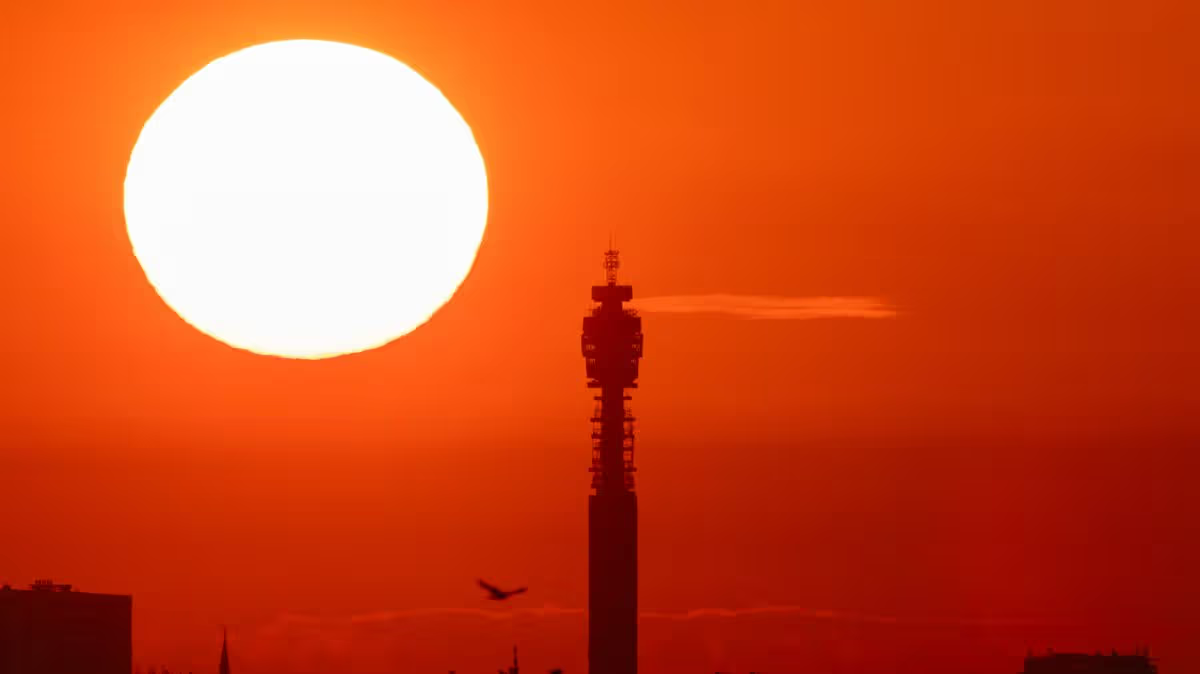
A significant and potentially record-breaking heatwave is poised to grip the United Kingdom this week, prompting serious concern from health authorities. The UK Health Security Agency (UKHSA) has escalated its warnings, placing the majority of England under an Amber Heat-Health Alert from Monday morning through Friday night. This is a substantial alert level indicating that the anticipated high temperatures are likely to impact the entire population, not just the most vulnerable, with a heightened risk of illness and mortality. A concurrent Yellow Alert covers the North East of England, suggesting a lesser, but still present, level of risk. Forecasts suggest temperatures could soar to a staggering 38°C in some areas, a figure that would challenge national records and underscore the intensifying nature of summer heat events.
The specific risks outlined by the UKHSA paint a clear picture of the strain this weather will place on individuals and public services. The alert warns of “minor impacts” across health and social care systems, a term that belies the serious realities it encompasses. These include a predictable surge in demand for healthcare from older people, those with pre-existing respiratory or cardiovascular conditions, and very young children. There is also a “greater risk to life” for these vulnerable groups. Furthermore, the alert highlights the danger of indoor spaces, particularly in buildings not designed for such heat, becoming dangerously warm, creating hazardous environments for those unable to cool down. It also importantly flags an increase in water-related incidents, as people seek relief in rivers, lakes, and the sea, leading to risks of cold-water shock and drowning.
In response to these threats, the UKHSA has issued essential, practical guidance for the public to stay safe. The advice focuses on modifying daily routines to minimize heat exposure. At home, people are urged to keep living spaces cool by closing windows and drawing blinds or curtains in rooms that face the sun during the hottest parts of the day. For outdoor activities, the agency strongly recommends avoiding the sun between 11am and 3pm when ultraviolet radiation is at its peak. If venturing out is necessary, wearing loose, light clothing, a wide-brimmed hat, and sunglasses, seeking shade, and applying high-factor sunscreen are critical. Physical exertion, such as exercise or walking pets, should be rescheduled for the cooler hours of early morning or late evening.
Perhaps the most vital piece of advice is for everyone to educate themselves on the signs of heat-related illnesses. Heat exhaustion is a serious condition that can precede the life-threatening heatstroke. Symptoms of heat exhaustion include heavy sweating, dizziness, fatigue, nausea, and headaches. If someone shows these signs, they must be moved to a cool place, given water to sip, and their skin cooled with damp cloths or a lukewarm shower. Heatstroke is a medical emergency characterized by a high body temperature (40°C or above), confusion, rapid breathing, and potentially loss of consciousness. If heatstroke is suspected, emergency services must be called immediately while efforts are made to cool the person down rapidly.
This domestic crisis is not occurring in isolation; it is part of a wider, severe heat event scorching much of Western Europe, which provides a sobering context for the UK’s situation. Nations across the continent are bracing for even more extreme temperatures, with forecasts predicting highs of 37°C in Rome, 39°C in Madrid, and, most alarmingly, over 40°C in parts of France. The French authorities have responded by placing emergency services and military units on high alert for wildfires, a devastating and increasingly common consequence of such intense, dry heat. This continental picture highlights the broad climatic forces at play and serves as a reminder of the interconnected nature of these extreme weather events.
As the week progresses, the combination of the Amber Alert, the forecast of record-challenging temperatures, and the parallel emergencies in Europe creates a compelling imperative for public vigilance. The UKHSA’s warnings are a call to action for communities to check on vulnerable neighbours, for employers to consider the welfare of their staff, and for every individual to consciously adapt their behaviour. While the allure of sunny beaches and parks is understandable, this heatwave carries genuine dangers that require a shift from mere enjoyment to proactive caution. By heeding the official advice—staying cool, hydrated, and informed—the public can help mitigate the risks and navigate this period of exceptional heat more safely.