



Of all household chores, window cleaning seems to possess a unique, almost paradoxical frustration. The goal is a crystal-clear, streak-free finish that allows light to pour in unimpeded, yet achieving this simple vision can feel elusive. Supermarket shelves are testament to this struggle, crowded with specialized products promising that perfect shine. For those seeking a more natural, economical approach, white vinegar has long been the go-to DIY alternative. However, a surprising contender from the kitchen cupboard is gaining acclaim from professional cleaners: humble black tea. This simple formula, born from years of experimentation, suggests that your path to spotless windows might begin not with a bottle, but with a teapot.
The “secret ingredient,” as revealed by cleaning experts like Crowd Cleaners, is used black tea bags. The formula is straightforward: collect 10 to 15 tea bags over the week, ensuring they are removed from your brew before adding any milk—as milk residue would guarantee a murky, streaky result. The process involves steeping these used bags in about 300ml of freshly boiled water, then combining this tea infusion with a modest amount (20-50ml) of a standard, basic glass cleaner. This mixture, transferred to a spray bottle, becomes your homemade, powerhouse cleaning solution. The tea’s mild tannic acid is thought to gently break down grime and grease without the harshness of chemicals, while its subtle natural surfactant properties help prevent streaking.
Preparation is key to success. Before applying any solution, gather your tools. Professionals advocate for two specific drying methods: a professional squeegee or, surprisingly, newspaper. While a squeegee is designed for the task, newspaper—with its unique texture and absorbency—is hailed as one of the best tools for achieving a flawless, streak-free finish. The method begins by generously spraying the glass surface with the DIY tea cleaner. Using the soft side of a sponge, lightly scrub the entire area, paying extra attention to any obvious smudges or greasy spots. This is followed by a rinse with hot water to remove loosened dirt, and then another spray of the solution to prepare the surface for the final, critical drying stage.
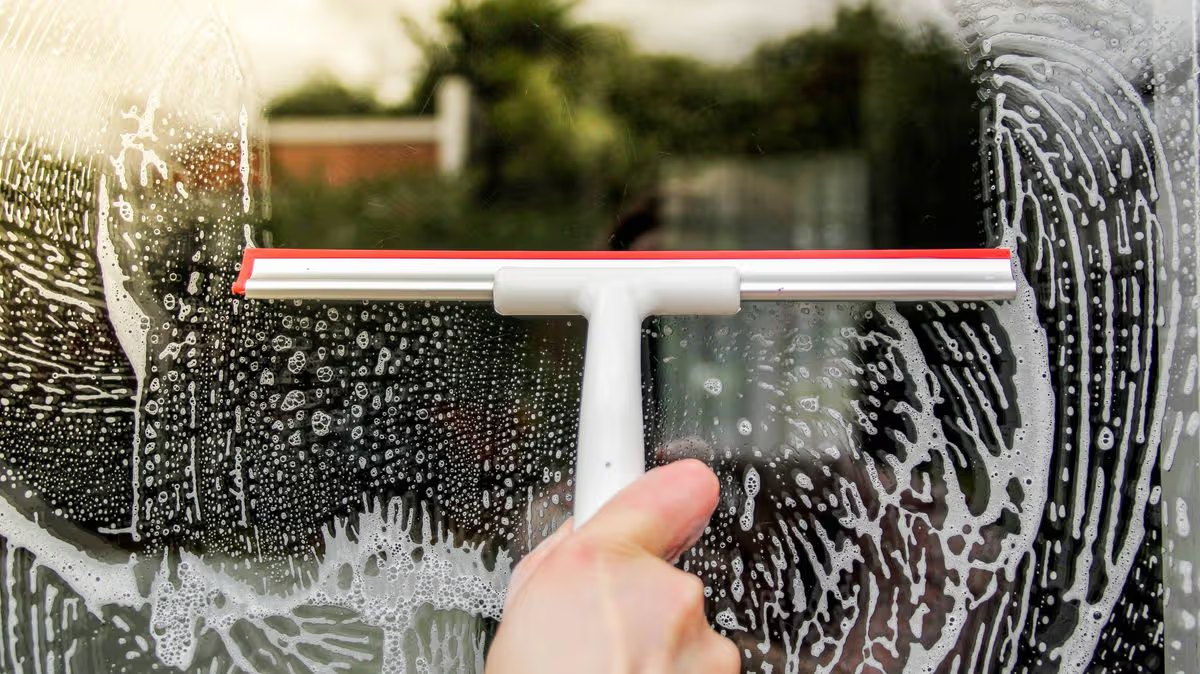
If employing a squeegee, technique matters. Start at the top right corner, dragging the tool horizontally across the top edge in a gentle, rainbow-shaped arc. Then, drag straight down from that top line. Finding the perfect amount of pressure—enough to clear the liquid without skidding or skipping—may require a little practice. It’s likely you’ll need to repeat the process of wetting and squeegee-drying two or three times to achieve true clarity. Each pass removes more residue and water, progressively polishing the glass to a high shine.
For the newspaper method, the approach is different but equally meticulous. Avoid oversaturating the glass; too much spray will soak the newspaper, causing it to break apart and create streaks. Use at least three or four sheets folded together for durability and ensure they are smooth, without creases. Place the newspaper flat against a top corner of the glass, apply firm pressure, and drag it slowly and steadily down the surface. This may also require a few cycles of light wetting and drying. A particular advantage of newspaper is its ability to tackle stubborn spots; rubbing firmly over a small smudge helps the paper’s texture and the solution’s properties break down the remaining grease and dirt.
This tea-based method embodies a shift toward thoughtful, sustainable cleaning. It repurposes a daily leftover, reduces reliance on single-use plastic bottles and harsh chemicals, and harnesses simple, effective physics: the right solution, the right tool, and the right technique. Whether you choose the smooth swipe of a squeegee or the sturdy drag of newspaper, the result is a testament to patience and precision. The final reward is not just streak-free windows, but the quiet satisfaction of a clear view, achieved through a resourceful, almost poetic, blend of everyday ritual and practical science.