




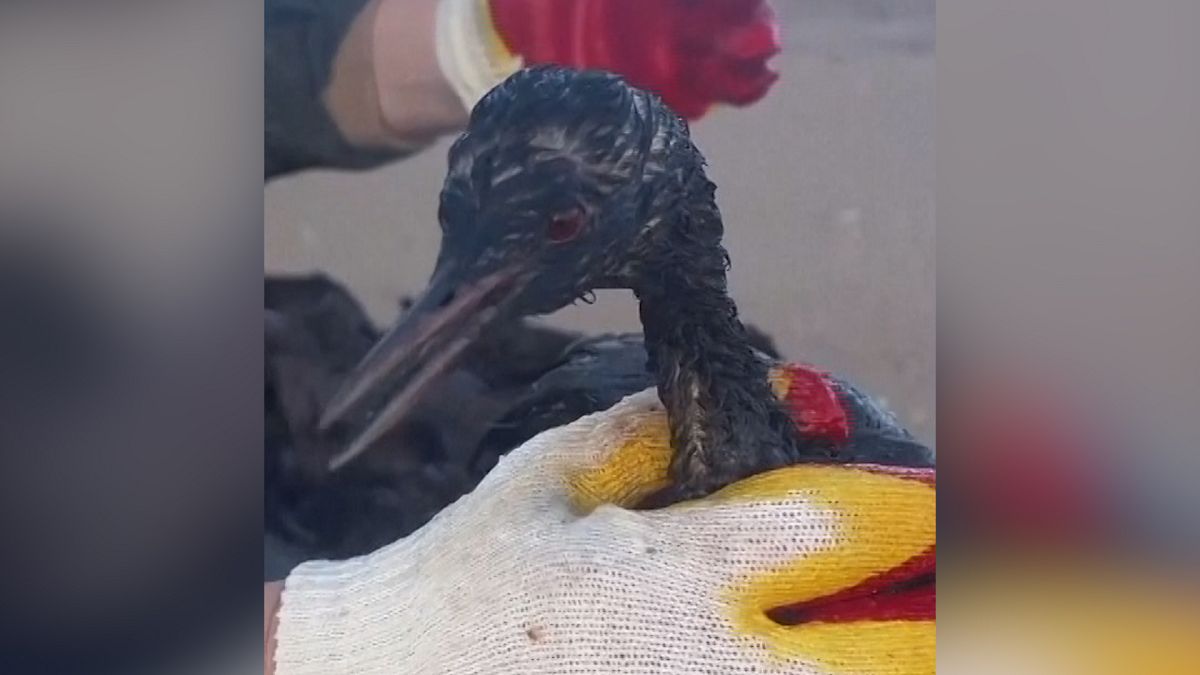
The Black Sea, a vital inland sea connecting Europe and Asia, faces a complex web of environmental challenges that threaten its delicate ecosystem and the livelihoods of millions who depend on it. Pollution from various sources, including industrial discharge, agricultural runoff, and untreated sewage, introduces harmful substances like heavy metals, pesticides, and nutrients, leading to eutrophication. This process, fueled by excessive nutrient input, causes algal blooms that deplete oxygen levels in the water, creating “dead zones” where marine life cannot survive. These oxygen-deficient areas have devastating consequences for fish populations and benthic communities, disrupting the food web and impacting commercial fisheries. The Black Sea’s semi-enclosed nature exacerbates the problem, as limited water exchange with the Mediterranean Sea hinders the dilution and dispersal of pollutants.
Beyond pollution, overfishing poses a significant threat to the Black Sea’s biodiversity. Decades of unsustainable fishing practices have depleted fish stocks, damaging the marine ecosystem and undermining the economic viability of fishing communities. The targeting of specific species has disrupted the natural balance of the food web, creating cascading effects throughout the ecosystem. Illegal, unreported, and unregulated (IUU) fishing further exacerbates the problem, hindering effective fisheries management and conservation efforts. The introduction of invasive species, both intentionally and accidentally, adds another layer of complexity, as these non-native organisms often outcompete native species for resources, altering habitats, and introducing diseases. The comb jelly (Mnemiopsis leidyi), for instance, has had a dramatic impact on the Black Sea’s ecosystem, decimating fish populations by consuming their larvae and competing for food.
Climate change is also having a profound impact on the Black Sea environment. Rising sea temperatures and changing precipitation patterns are altering the sea’s salinity and stratification, impacting marine life and increasing the frequency and intensity of extreme weather events. Warmer waters exacerbate the problem of eutrophication, as higher temperatures promote algal growth and reduce oxygen solubility. Changes in salinity and stratification can disrupt the delicate balance of the ecosystem, affecting the distribution and abundance of various species. Sea level rise poses a further threat to coastal communities and infrastructure, while changes in precipitation patterns can alter river flow, affecting nutrient input and salinity levels.
The complex interplay of these environmental pressures creates a challenging scenario for the Black Sea’s future. The cumulative effects of pollution, overfishing, invasive species, and climate change pose a significant threat to the sea’s biodiversity, ecosystem services, and the well-being of coastal communities. Addressing these challenges requires a comprehensive and coordinated approach involving regional cooperation, scientific research, and effective policy implementation. Strengthening regional agreements, such as the Black Sea Commission, is crucial for coordinating transboundary efforts to reduce pollution and manage shared resources.
Protecting the Black Sea ecosystem requires a multi-pronged strategy focusing on pollution control, sustainable fisheries management, and climate change adaptation. Implementing stricter regulations on industrial and agricultural discharge, improving wastewater treatment facilities, and promoting sustainable agricultural practices are essential for reducing nutrient input and mitigating eutrophication. Combating overfishing requires enforcing stricter fishing quotas, combating IUU fishing, and promoting sustainable aquaculture practices. Managing invasive species requires early detection and rapid response mechanisms, as well as measures to prevent their introduction in the first place. Building resilience to climate change impacts requires investing in coastal protection measures, developing climate-smart agricultural practices, and promoting sustainable tourism.
Ultimately, the future of the Black Sea depends on the collective action of all stakeholders. Governments, industries, local communities, and scientific institutions must work together to implement sustainable solutions that protect the sea’s valuable ecosystem. Investing in scientific research and monitoring programs is crucial for understanding the complex interactions within the Black Sea ecosystem and informing effective management strategies. Raising public awareness about the environmental challenges facing the Black Sea and promoting responsible behavior can empower individuals to contribute to its conservation. By working together, we can ensure the long-term health and resilience of this vital ecosystem for generations to come. The Black Sea’s unique characteristics and challenges demand a dedicated and collaborative approach to ensure its future as a vibrant and productive marine environment. Protecting this valuable resource requires not only addressing immediate threats but also building a long-term vision for sustainable development and environmental stewardship.