



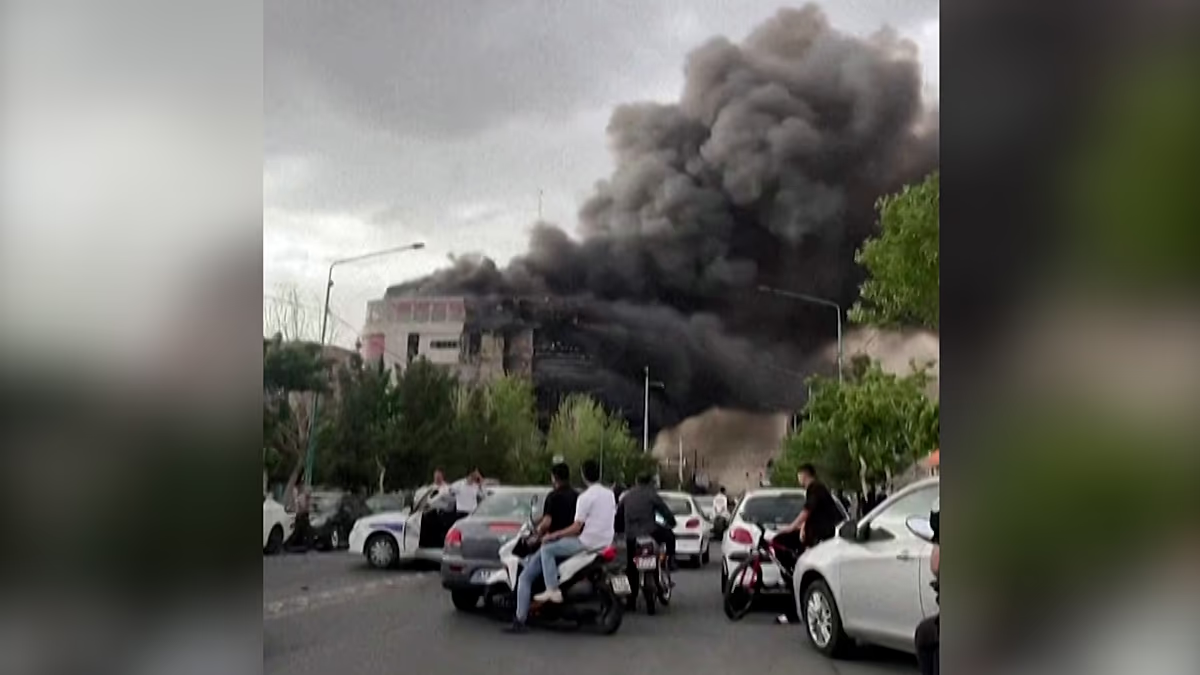
A devastating fire engulfed the Arghavan shopping centre, located west of Tehran, sending plumes of thick, black smoke billowing across the skyline and marking the beginning of a harrowing night for the local community. The complex, a bustling hub of commerce and daily life, housed over 250 individual shops and approximately 50 offices across its seven stories. As flames rapidly consumed the structure, the scale of the potential tragedy became immediately apparent, forcing a swift and massive response from emergency services. The visual of the smoke-choked horizon was not just a spectacle of disaster, but a signal of profound loss, turning a commonplace center of activity into an epicenter of chaos and fear for shop owners, employees, and families connected to the building.
The human cost of the blaze began to emerge through official reports, with state television confirming that at least 36 individuals suffered injuries. Rescue officials, their faces grim with soot and exhaustion, soberly warned that this number could still rise as their difficult work continued. Firefighting and emergency teams battled the intense flames throughout the night, striving to protect what remained of the structure and prevent further harm. Their relentless efforts eventually brought the fire under control, but the scene they left behind was one of smoldering ruin. The incident has swiftly become one of the most severe fire-related tragedies in Iran in recent years, drawing painful comparisons to the catastrophic Plasco Building collapse and leaving a deep scar on the collective memory of the nation.
For the local community surrounding the Arghavan centre, the impact is profound and deeply personal. This was not merely a building, but a pillar of the local economy and a familiar gathering place; its destruction represents a loss of livelihood, stability, and neighborhood identity. As the rescue operations concluded, authorities acknowledged the profound emotional and economic aftershocks rippling through the area. Shop owners who invested their life’s savings, employees who relied on their daily wages, and families who frequented the center now face an uncertain future, united in grief and dislocation. The true toll extends beyond the immediate injuries, echoing in the silenced cash registers, the empty stalls, and the anxious conversations of a community picking up the pieces.
In the wake of the disaster, the wheels of justice and accountability began to turn with notable speed. The prosecutor’s office in Shahriar promptly opened a formal investigation to pinpoint the exact cause of the ignition and the reasons for the fire’s terrifyingly rapid spread. As part of this inquiry, authorities took the significant step of issuing an arrest warrant for the building’s constructor, focusing on potential safety breaches or criminal negligence. Preliminary findings pointed to a critical factor: the use of highly flammable materials in the building’s facade, which likely acted as a deadly accelerant, transforming a manageable fire into a runaway inferno. This early focus on construction practices suggests a failure of regulatory oversight that will be central to the official probe.
The swift legal response underscores a painful reality in the region: while industrial and commercial fires are not uncommon, the high casualty count at Arghavan has triggered a more urgent demand for answers and accountability. The government, facing public anguish and scrutiny, has pledged to conduct a full audit of similar commercial buildings across the country. This promise aims to identify and rectify the same dangerous flaws—like non-compliant cladding or inadequate fire escapes—that may lie hidden in other crowded complexes, waiting to ignite. The goal is to prevent an identical tragedy, transforming this profound loss into a catalyst for stricter enforcement of building safety codes that protect human life above all else.
Ultimately, the story of the Arghavan fire is a human story of loss, response, and a desperate search for prevention. It is a narrative that moves from the terrifying hours of the blaze itself, through the community’s heartbreak, and into the solemn courtrooms and inspection offices where the future is being negotiated. The arrest warrant and nationwide audit are more than bureaucratic procedures; they are a societal vow, born from tragedy, to value safety over shortcut. As the investigation continues, the hope is that the lessons learned from the ashes of Arghavan will forge a legacy of greater vigilance, ensuring that such a profound loss of life and livelihood will not, and cannot, happen again.