



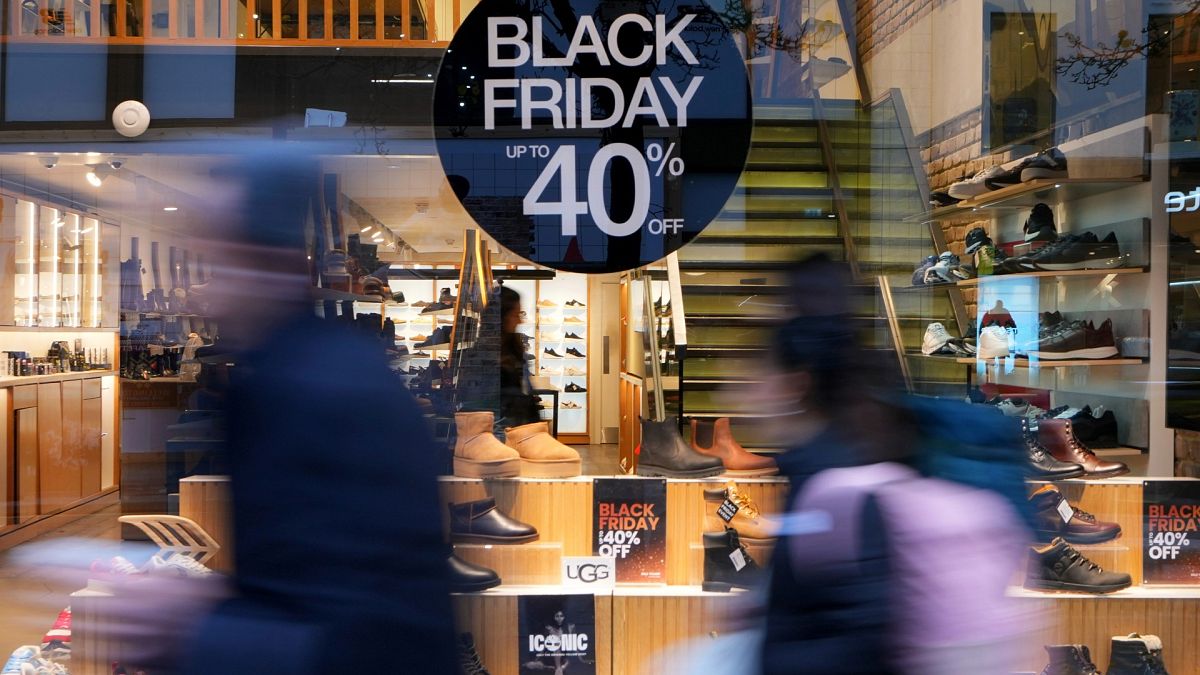
In recent years, the prevalence of Black Friday scams has surged, a trend largely driven by an increase in online retailers and platforms offering alluring discounts. As economic pressures like the rising cost of living and unstable geopolitical situations make consumers cautious with their spending, retailers are compelled to offer more aggressive discounts to attract customers. The Behaviors of shoppers during high-stakes shopping seasons like Black Friday and Cyber Monday, essential to the sales cycle known as the golden quarter, contribute to an environment ripe for scammers. A study by Bitdefender Antispam Lab revealed alarming statistics: 75% of Black Friday spam emails were categorized as scams, with Europe absorbing nearly half of the world’s notorious Black Friday-themed spam. Furthermore, emerging demographics such as millennials and Gen Z are reportedly at a higher risk, being three times more likely to encounter online shopping fraud than older generations.
The accessibility and affordability of scamming tools—especially those found on the dark web—are major factors behind the uptick in Black Friday scams. Cybersecurity experts have noted that phishing kits and fake website layouts are available at low prices, while malware-as-a-service subscriptions can also be procured affordably. These tools are becoming increasingly sophisticated, allowing scammers to create highly convincing fake sites that closely mimic legitimate retailers. Experts explain that these fraudulent sites often include customizable features and measures designed to evade detection, making it challenging for shoppers to discern authenticity. The exploitation of popular platforms like PayPal, Amazon, and even Netflix demonstrates a calculated effort by scammers to lure in unsuspecting buyers through familiarity and trust.
As technological advancements such as artificial intelligence gain traction, they contribute significantly to the design and execution of scams, making fraudulent communications and websites even more difficult to identify. Scammers can effectively replicate the aesthetics of real websites, employing matching colors and fonts that align closely with genuine brands. In addition, the growing trend of sustainability—a consideration for many shoppers today—has provided a new avenue for fraud. Scammers are leveraging the increased interest in eco-friendly products to deceive consumers with false claims about sustainable sourcing and environmentally friendly practices, often leading to a substantial increase in sales, as product origins are typically hard to verify.
Shoppers may also find themselves susceptible to scams due to brand-specific issues related to certain high-profile online marketplaces. Brands like Temu and Shein have faced scrutiny over purported fake discounts that mislead consumers, resulting in investigations and allegations of violating consumer protection laws. These platforms have defenses and statements regarding their compliance with regulations, but concerns remain about the genuine authenticity of discounts offered during events like Black Friday. This situation is compounded by affordability and convoluted discounting methods that may escape the scrutiny of bargain-hunting consumers, resulting in even greater susceptibility to fraudulent schemes.
To combat the wave of Black Friday scams, shoppers need to adopt a more cautious and informed approach while engaging in holiday shopping. A general rule of thumb is to remain skeptical of deals that appear too good to be true. Investigating products and sellers is paramount; consumers should cross-check newly discovered e-commerce sites against familiar ones to ensure legitimacy. When deep discounts are advertised, verifying the URL of the website can also provide insight regarding authenticity. Using domain checkers to assess the history of a website can help avoid fraudulent sites. As scam tactics evolve, potential victims also face counterfeit endorsements or endorsements purportedly from celebrities that may mislead consumers, emphasizing the necessity for cross-verification.
Aside from exercising due diligence in checking website accuracy and product validity, consumers can implement additional protective measures. Avoiding high-pressure sales tactics—like countdown timers designed to create urgency—can lead to better decision-making while shopping. Using credit cards instead of cash or debit for online transactions adds layers of fraud protection that can safeguard against financial loss. Setting specific budgets and remaining disciplined about needed purchases can help avoid impulse buying, which is particularly important during events known for enticing discounts. Consumer experts emphasize the importance of a plan and critical analysis; shoppers must understand that a deal only has value if it aligns with their real needs rather than immediate temptations.
In conclusion, as Black Friday becomes a central shopping event, the associated scams continually evolve, leveraging technological accessibility and consumer behaviors. By engaging in proactive protective measures, from scrutinizing deals to adopting cautious purchasing habits, shoppers can mitigate the risks posed by fraudulent practices. The contemporary landscape of consumerism, driven by rising e-commerce, affordability, and a general desire for deals, necessitates an informed and vigilant approach to fashion a more secure shopping experience. Planning ahead, focusing on genuinely needed items, and remaining aware of the tactics used by scammers are crucial strategies for making the most of discounted shopping events while navigating these unprecedented challenges in online retail.