



Paragraph 1
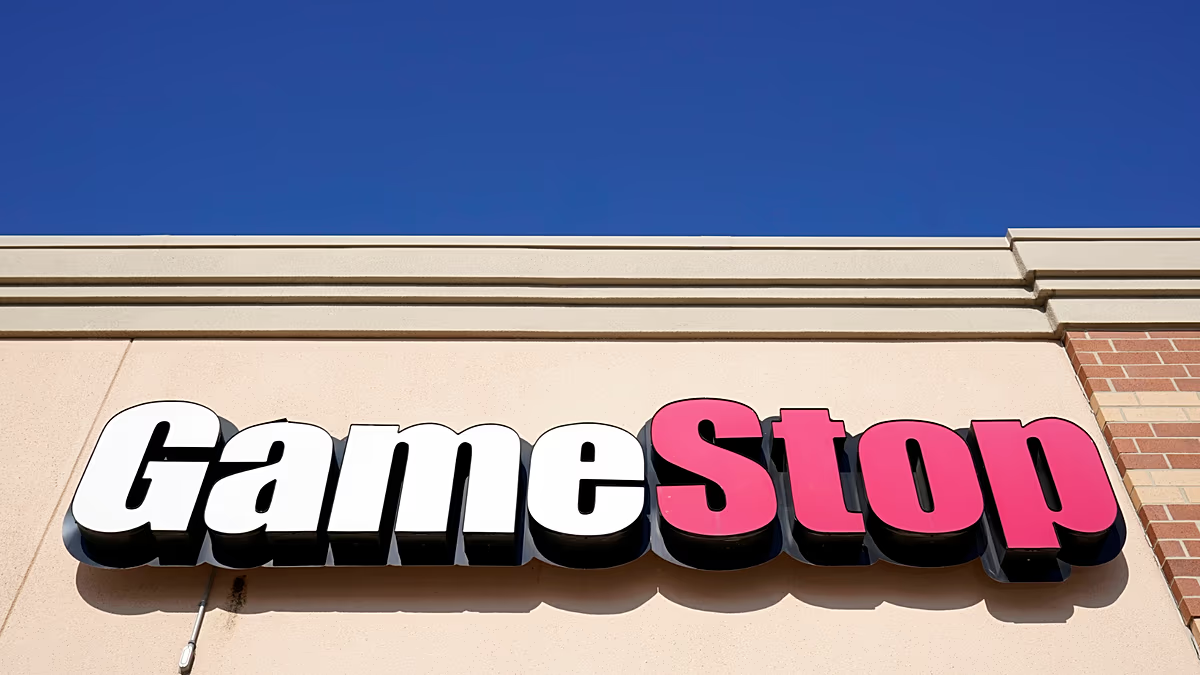
In a stunning move that could reshape the landscape of digital and physical retail, the iconic video game seller GameStop has officially put forward a proposal to acquire the online marketplace giant eBay. The offer, valued at a staggering $56 billion, represents one of the most ambitious consolidation attempts in recent memory, effectively blending the physical world of mall-based game stores with the vast, global digital bazaar of online auctions. This is not merely a financial transaction but a fundamental strategic pivot, orchestrated by GameStop’s leadership under CEO Ryan Cohen. The vision is to move decisively beyond the company’s traditional identity as a seller of video games and hardware, transforming it into a dominant, integrated platform for the entire “circular economy” of buying, selling, and trading goods.
Paragraph 2
The core logic behind the acquisition is one of powerful synergy. GameStop brings to the table its extensive physical retail footprint and a fiercely loyal customer base, honed through its PowerUp Rewards program. eBay contributes its unparalleled global reach, sophisticated auction infrastructure, and a massive network of individual and business sellers. By merging these assets, GameStop aims to create a seamless ecosystem where a customer could, for example, trade in an old game console at a local store for credit, then use that credit to bid on collectibles or electronics on eBay, all within a unified account. Acquiring eBay would instantly grant GameStop control over a platform that processes tens of billions in merchandise annually, supercharging its transition into a digital-first, service-oriented powerhouse focused on the lucrative collectibles and secondary markets.
Paragraph 3
The immediate reaction from the financial world has been a mix of excited speculation and sober caution. Upon the news breaking, eBay’s stock price jumped approximately 10% in pre-market trading, a clear sign that shareholders see value in the proposed premium. GameStop’s own stock had already seen gains prior to the announcement, reflecting market anticipation. Financially, the company plans to fund this colossal deal using its substantial cash reserves—bolstered by billions raised in recent years—along with issuing new equity. While this shows confidence, some analysts are wary, questioning whether the long-term financial burden, including potential debt, could outweigh the promised benefits, especially for a company still navigating its own transformation.
Paragraph 4
However, the path from proposal to completion is fraught with significant hurdles that extend far beyond balance sheets. The most daunting obstacle is the intense regulatory scrutiny the deal is certain to attract. Antitrust authorities in the United States and the European Union are expected to launch thorough investigations. Their primary concern will be market competition: a combined GameStop-eBay behemoth would wield unprecedented influence over the secondary market for electronics, video games, and collectibles. Critics argue this could stifle competition, allowing the new entity to control pricing and availability in ways that might marginalize smaller, independent sellers and retailers, ultimately reducing choice for consumers.
Paragraph 5
The human element of this corporate drama cannot be overlooked. For GameStop, this is the boldest step yet in a years-long effort to reinvent itself, driven by Ryan Cohen’s vision to secure its future in an increasingly digital world. For eBay, the offer presents a complex decision for its board, which has remained publicly silent so far. They must weigh the attractive valuation against the company’s independent trajectory and the potential cultural integration of two very different corporate identities. Meanwhile, communities of sellers on eBay and loyal customers of GameStop are left to wonder how such a merger would change their experience, for better or worse.
Paragraph 6
In summary, GameStop’s audacious bid for eBay is more than a headline-grabbing number; it is a strategic gamble of historic proportions. It aims to bridge the gap between physical and digital retail, creating a new kind of consumer platform for a second-hand and collectibles economy. While the financial markets have reacted with initial volatility and the promise of synergies is compelling, the deal’s fate is highly uncertain. It must first navigate a gauntlet of shareholder concerns and, most critically, rigorous antitrust examinations that will question its very impact on market fairness. The coming months will determine whether this proposal becomes a transformative reality or remains a landmark “what if” in the annals of retail history.