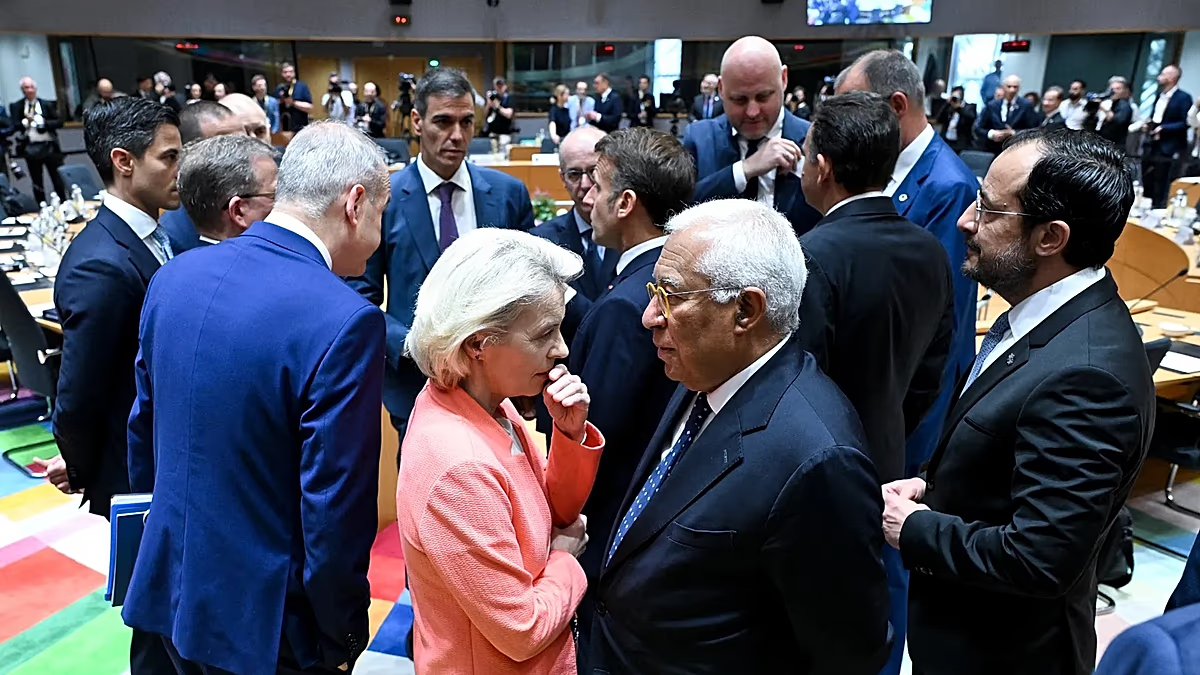




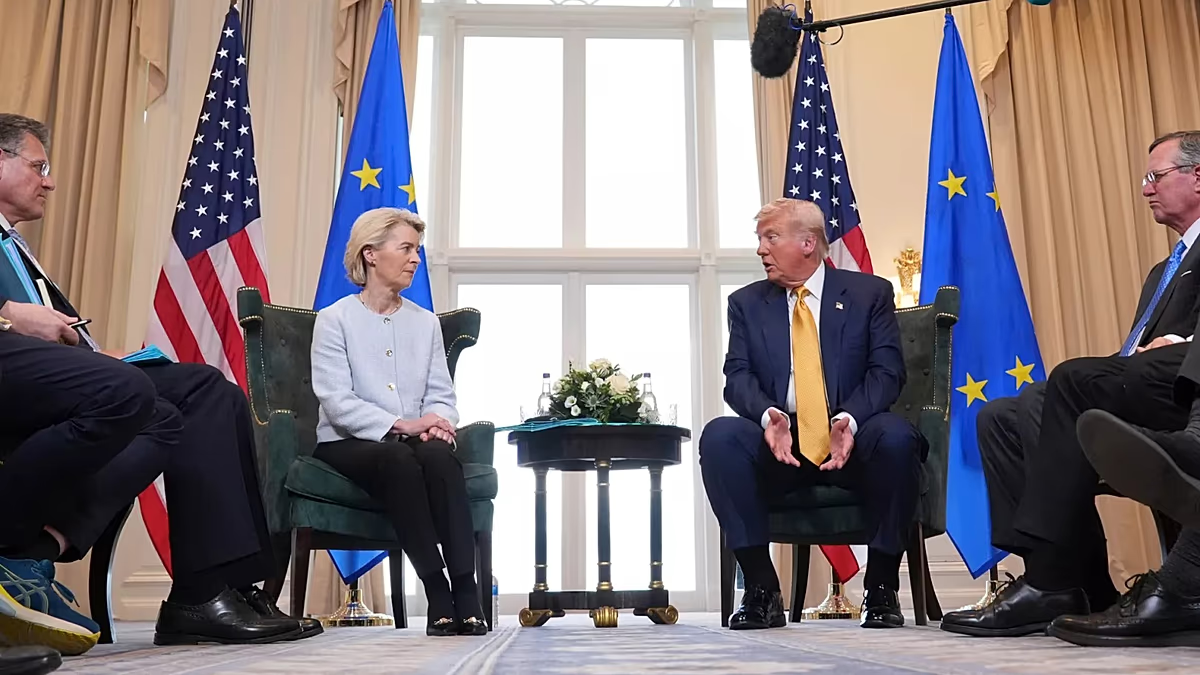
The world stage this week is dominated by high-stakes negotiations and stark reminders of the fragility of both geopolitical stability and our digital and physical environments. At the forefront are the protracted and tense discussions between the European Union and the United States, as officials work to finalize a critical trade deal. Talks between EU legislators and member state representatives extended late into Wednesday night, striving to bridge gaps on complex issues like safeguard mechanisms. While a midnight breakthrough proved elusive, diplomatic sources suggest a key legislative milestone could be reached by May 19th. This European push for consensus, however, exists under the shadow of Washington’s growing impatience. The U.S. Ambassador to Brussels, Andrew Puzder, pointedly reminded the EU that a deal was, from the American perspective, struck last August, accusing Brussels of nine months of inaction. This sentiment underscores the persistent pressure from the Trump administration, which has repeatedly used the threat of tariffs, including a recent announcement of 25% levies on European cars, as leverage to accelerate the process.
Within the EU, the challenge is balancing swift implementation with robust protections for its own economic interests. Key figures like Bernd Lange, who chairs the European Parliament’s influential trade committee, acknowledge progress but caution there is “still some way to go.” The Parliament, feeling compelled by President Trump’s continued threats, insists on embedding “solid guarantees” into any agreement to shield European industries from future punitive measures. This demand for resilience has, in turn, been viewed by some member state diplomats as potentially going “too far,” highlighting the internal tightrope EU negotiators must walk. They are tasked with securing a “successful and balanced outcome in a timely manner,” as Cypriot Minister Michael Damianos emphasized, all while facing external deadlines that are not entirely within their control. The central, unresolved question hangs heavily over Brussels: will this careful, legislative pace satisfy or further provoke an administration known for its transactional and unpredictable approach to international diplomacy?
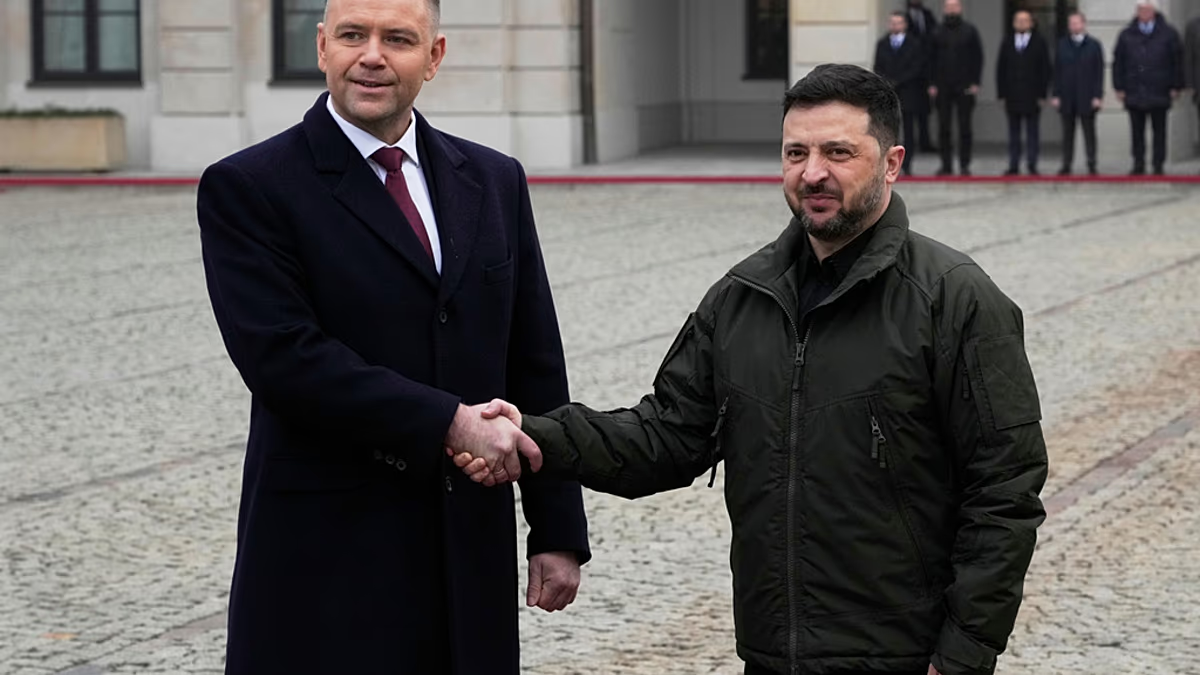
Simultaneously, the war in Ukraine continues its grim trajectory, with hopes for diplomacy being met with violence. President Volodymyr Zelenskyy delivered a sobering assessment, accusing Russia of responding to Kyiv’s proposed ceasefire not with negotiation, but with “new strikes and new attacks” across the country. His statement that Ukraine will “respond in kind” signals a potential escalation, moving from a posture of proposed diplomacy back to one of determined military reciprocity. Zelenskyy framed Russia’s rejection as a conscious choice, stating the Kremlin had received a clear proposal and “knows how to contact Ukraine.” This rhetorical shift places the onus for continued bloodshed squarely on Moscow, portraying its actions as a deliberate refusal of a peaceful path. The situation embodies a tragic cycle where diplomatic overtures are shattered by artillery, forcing a return to the very hostilities those talks sought to end.
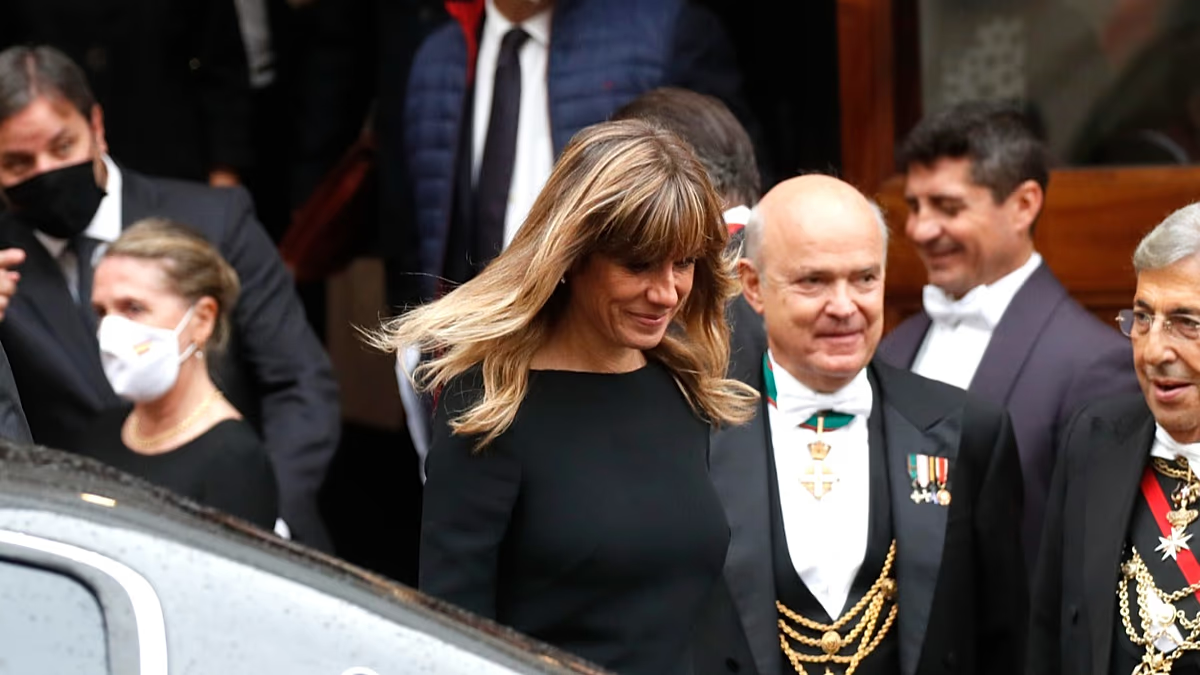
Beyond the arenas of trade and war, a different kind of vulnerability was exposed this week, targeting the very image of a leader. Italian Prime Minister Giorgia Meloni publicly confronted the dangers of artificial intelligence by calling out deepfake technology. She posted to her own social media a fabricated, AI-generated image of herself in scanty underwear that had been circulating, condemning it as a “dangerous tool.” This incident transcends a mere personal violation; it highlights a pervasive new threat in the digital age where synthetic media can be weaponized to undermine, humiliate, or misrepresent anyone, from public figures to private citizens. Meloni’s direct confrontation serves as a stark warning about the erosion of truth and personal autonomy in an era where seeing is no longer believing, and it presses the urgent question of how societies and legal systems will adapt to police this rapidly evolving frontier of misinformation.
The intersection of human activity and fragile ecosystems also came into sharp focus with alarming reports from the polar regions. The concept of “last chance tourism” – travelers flocking to endangered destinations like Antarctica before they vanish – is facing scrutiny after a deadly outbreak of the rare hantavirus on a Dutch cruise ship. This tragedy underscores a profound irony and risk: the very act of journeying to witness these pristine, melting landscapes can inadvertently introduce pathogens or contaminants that threaten their delicate balance. Scientists warn that these remote ecosystems, already buckling under climate change, are uniquely susceptible to such external threats. The incident forces a difficult ethical reckoning for the tourism industry and travelers alike, questioning whether our desire to bear witness to disappearing wonders might, in some cases, accelerate their degradation.
As the week draws to a close, the interconnectedness of these disparate stories becomes apparent. From the boardrooms of Brussels to the trenches in Ukraine, from the digital realm distorting reality to the physical world facing irreversible change, the common threads are negotiation, resilience, and consequence. Leaders grapple with crafting agreements under duress, nations recalibrate their responses to aggression, society confronts the weaponization of technology, and humanity is reminded of its responsibility as a guest in Earth’s most vulnerable places. Each headline, in its own way, reflects the ongoing struggle to manage complex systems—economic, geopolitical, digital, and environmental—in a world where actions, whether a tariff threat, a broken ceasefire, a deepfake, or a cruise ship itinerary, carry weighty and often unintended repercussions.