


Moldova, a small Eastern European nation sandwiched between Ukraine and Romania, is grappling with a looming energy crisis fueled by fears of Russian manipulation. The country’s parliament recently declared a 60-day state of emergency in the energy sector, reflecting deep anxieties about the potential for Moscow to weaponize gas supplies, leaving the nation vulnerable during the harsh winter months. This precarious situation stems from Moldova’s historical dependence on Russian energy, a legacy of its Soviet past, and the complex geopolitical landscape exacerbated by the ongoing war in Ukraine.
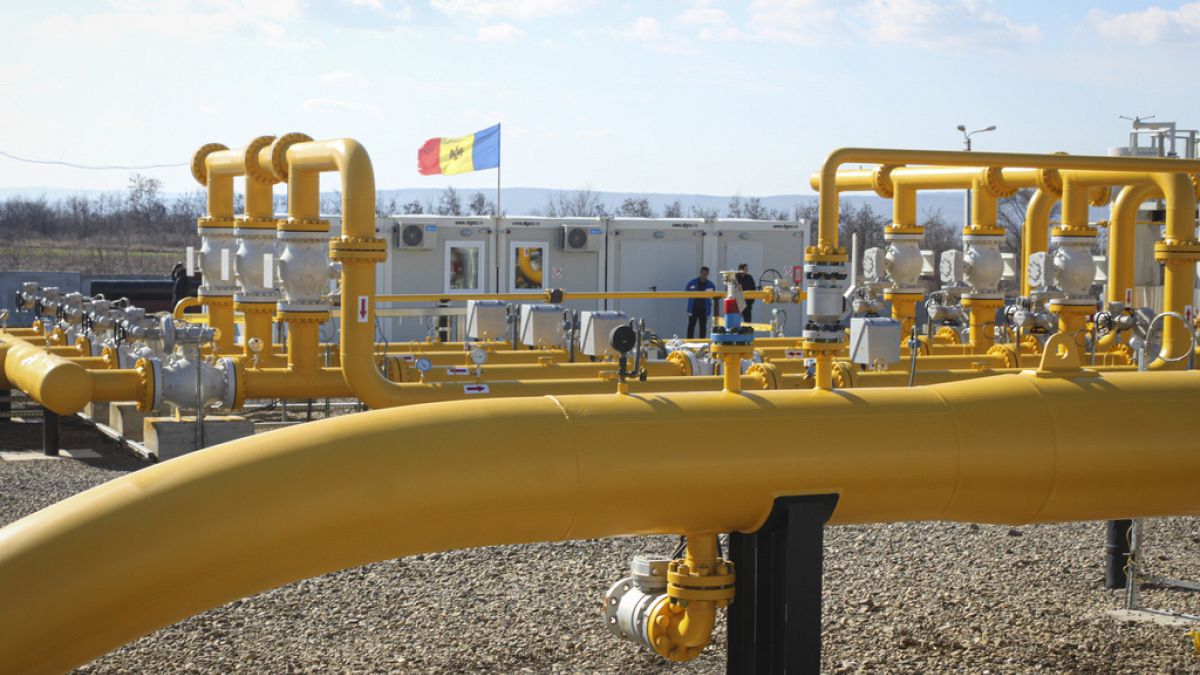
At the heart of the crisis lies the Kuciurgan power plant, located in the breakaway region of Transnistria, a pro-Russian territory that declared independence from Moldova in the early 1990s. This plant, fueled by Russian gas supplied by Gazprom, is a crucial source of electricity for Moldova. The plant’s ownership is contested, with Moldova not recognizing its privatization to a Russian state-owned company by Transnistrian authorities. This ambiguous status adds another layer of complexity to the energy security issue, making Moldova vulnerable to pressure from both Russia and the separatist region. The fear is that Russia could leverage gas supplies to the Kuciurgan plant to destabilize Moldova, potentially leaving the country without electricity and heating during the winter.
Moldovan Prime Minister Dorin Recean has described the situation as “exceptional,” emphasizing the deliberate nature of the potential threat. He accuses Russia of using energy as a weapon to sow panic and chaos in Moldova, aiming to undermine the country’s pro-Western government and its aspirations for closer ties with the European Union. Recean’s government is acutely aware of the potential for a humanitarian and economic crisis should gas supplies be cut off. The government has pledged to ensure that no citizen is left “in the cold and dark,” but the challenge remains significant given the country’s limited resources and its dependence on external actors.
The situation is further complicated by the actions of Transnistria, which has also declared a state of emergency, citing potential disruptions to its own gas supply. This move underscores the precarious position of both Moldova and the breakaway region, highlighting their shared reliance on Russian energy and the vulnerability this creates. The intertwined fate of Moldova and Transnistria in the energy sector further complicates the picture and increases the potential for instability.
Moldova’s energy vulnerability is not a new phenomenon. In late 2022, the country experienced significant power outages following Russian missile strikes on Ukraine’s energy infrastructure. This incident served as a stark reminder of Moldova’s interconnectedness with Ukraine’s energy grid and its susceptibility to disruptions caused by the ongoing conflict. The experience underscored the urgency of diversifying energy sources and reducing reliance on Russia. Since the start of the full-scale invasion of Ukraine, Moldova has made efforts to secure alternative energy supplies and reduce its dependence on Russian gas.
The current crisis has prompted offers of support from neighboring Romania, which has expressed its willingness to assist Moldova in meeting its energy needs. This regional solidarity underscores the importance of international cooperation in addressing the energy security challenges faced by vulnerable countries. Romania’s offer also highlights the potential for regional solutions to mitigate the impact of Russia’s energy weaponization. Moldova’s pro-Western orientation and its recent re-election of President Maia Sandu, coupled with a referendum indicating popular support for EU membership, have further strained relations with Russia.
Moldova’s pursuit of closer ties with the West, including its application for EU membership, has been met with accusations of Russian interference aimed at destabilizing the country and thwarting its pro-European aspirations. While Russia denies these allegations, the current energy crisis is viewed by many as a manifestation of this geopolitical struggle. The energy situation has become a focal point in the broader conflict between Russia and the West, with Moldova caught in the middle. The government’s efforts to navigate this complex geopolitical landscape while ensuring the well-being of its citizens will be a defining challenge in the coming months.
The coming winter will be a critical test for Moldova’s resilience and its ability to navigate the complex energy landscape. The government’s ability to secure alternative energy supplies, manage relations with both Russia and Transnistria, and maintain public confidence will be crucial in determining the outcome of this crisis. The long-term goal of energy independence and integration with European energy markets is a priority, but the immediate challenge is to ensure that Moldovan citizens have access to heat and electricity during the cold winter months. The energy crisis underscores the precarious geopolitical position of Moldova and the urgent need for a sustainable and secure energy future.