


Paragraph 1: A Surprise Deal Rocks the Oil Market
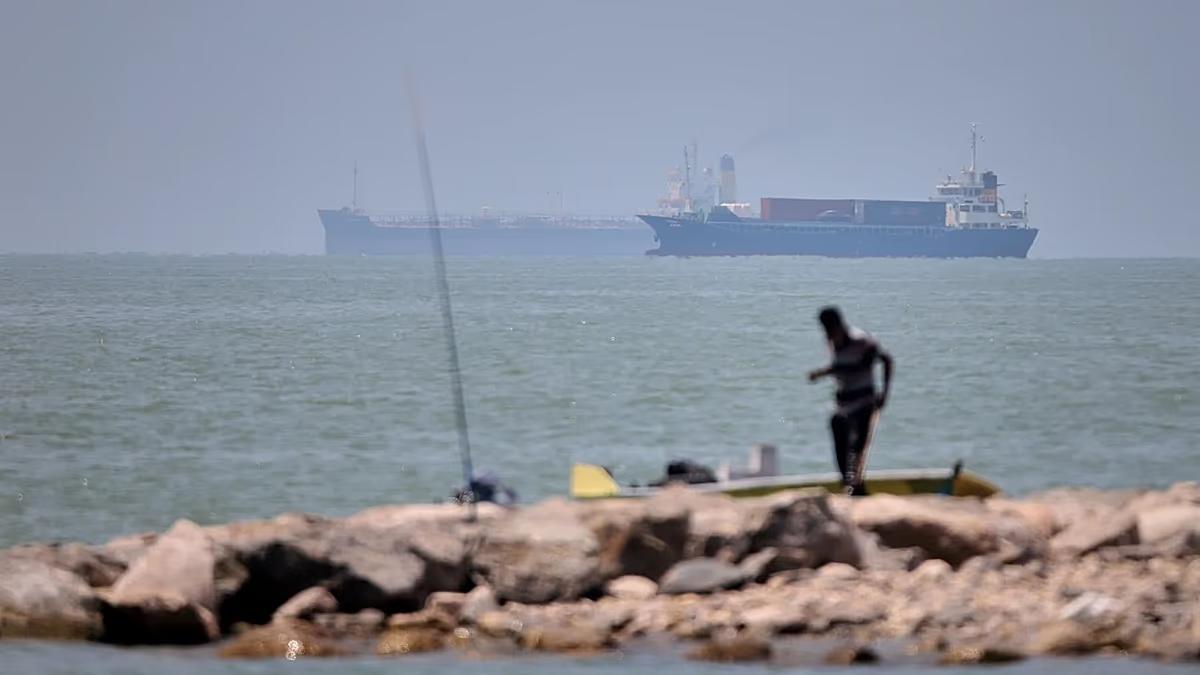
In a dramatic turn of events, global oil prices tumbled sharply after the announcement of a preliminary peace accord between the United States and Iran. The agreement, signed by U.S. President Donald Trump and Iranian President Masoud Pezeshkian, aims to halt hostilities and, most critically for energy markets, restore the unimpeded flow of crude oil through the Strait of Hormuz. This narrow shipping artery is a lifeline for global energy supplies, and the prospect of its reopening triggered an immediate sell-off in crude. Within hours, benchmark oil prices fell over 2%, with West Texas Intermediate dropping to around $75 a barrel and Brent crude slipping to approximately $78. While still above pre-conflict levels, these prices represented a significant retreat from the panic-driven peaks above $100 per barrel seen just weeks earlier.
Paragraph 2: The Mechanics of the Deal and Its Immediate Impact
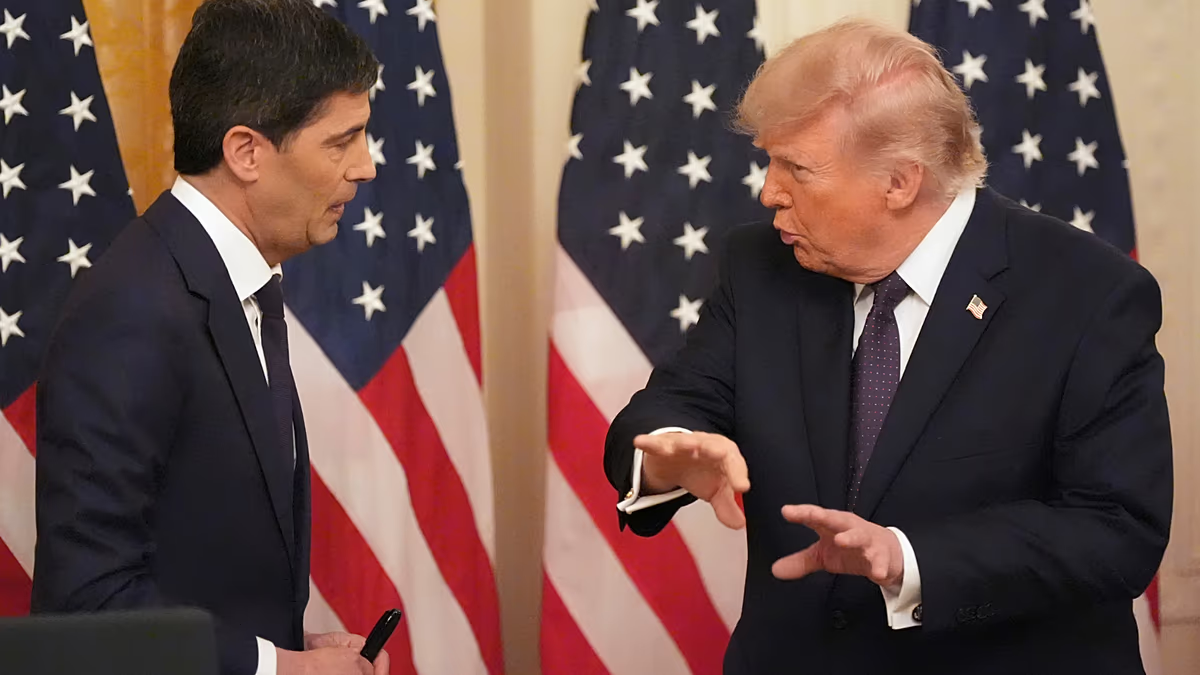
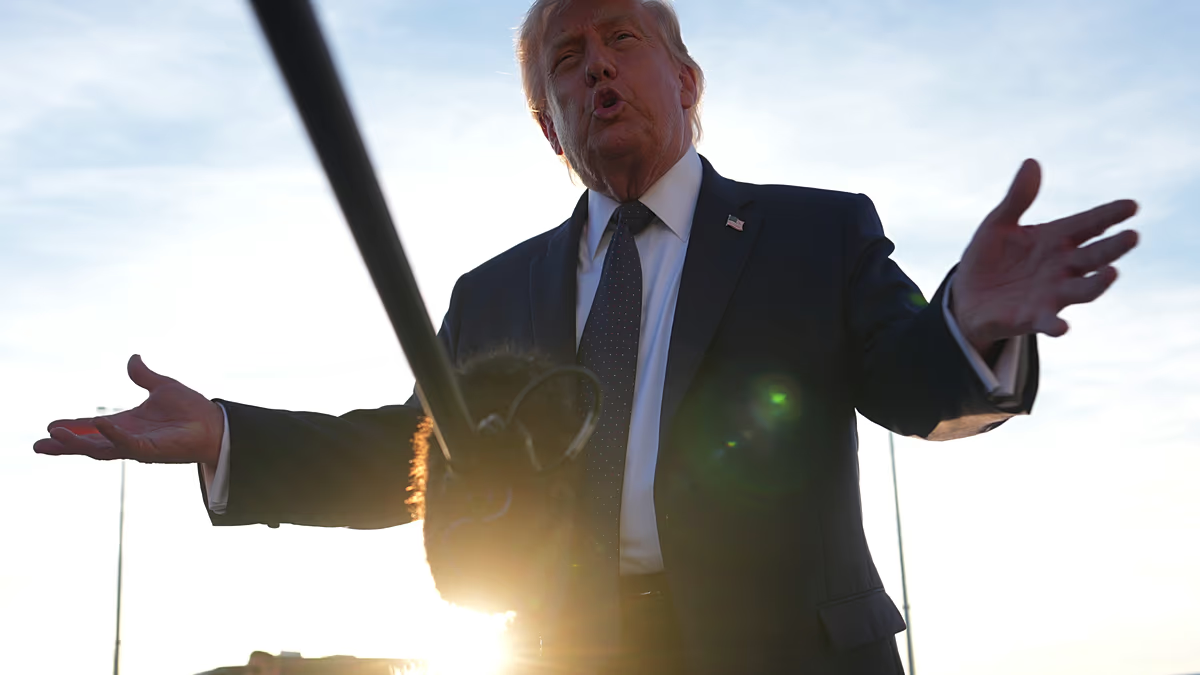
The tentative deal establishes a 60-day window for negotiating a final settlement regarding Iran’s nuclear program. In the interim, Tehran has agreed to dilute its stockpile of highly enriched uranium. For the oil industry, the most impactful element is the lifting of U.S.-backed sanctions, which will allow Iran to resume selling its oil freely on the global market. Furthermore, the accord clears a path for tankers to navigate the Persian Gulf without military threat. President Trump’s specific pledge that the Strait of Hormuz would be fully open by Friday and free of transit charges fueled trader optimism about a swift return of significant volumes of crude. Trump himself encapsulated the expected market reaction with a succinct, gestured statement: “oil down, stocks up.”
Paragraph 3: A Fragile Recovery Amid Depleted Global Reserves
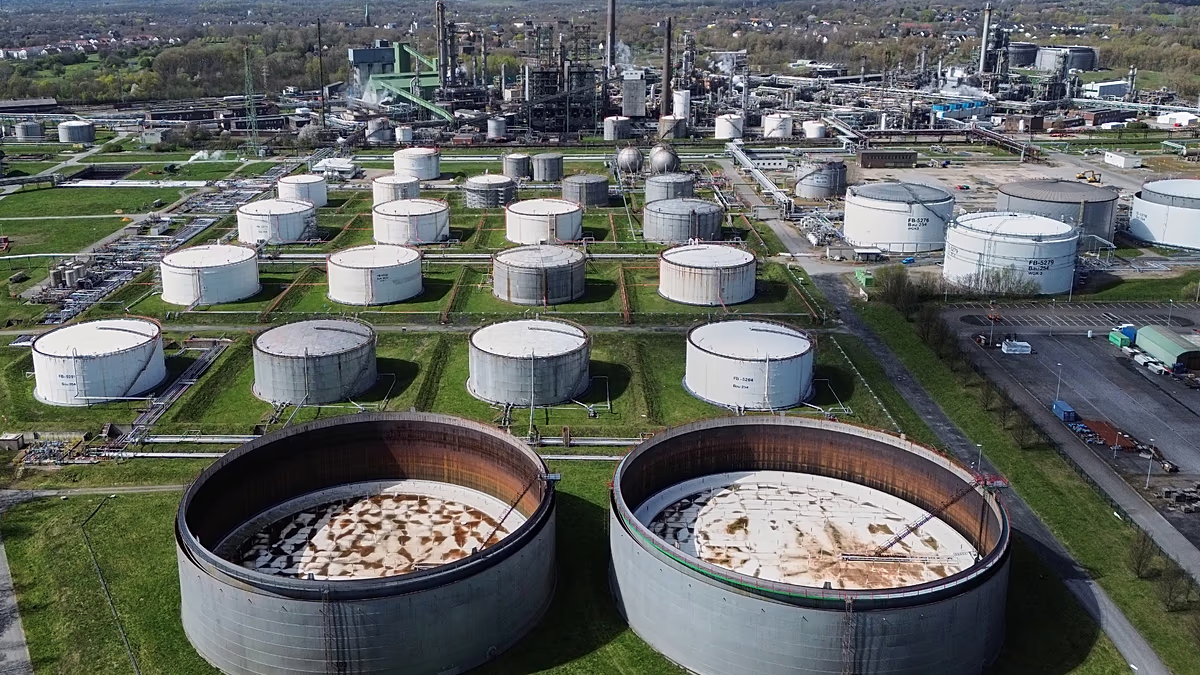
This sudden optimism arrives against a backdrop of significant strain on global energy security. According to the International Energy Agency’s June report, strategic oil reserves across advanced economies have been drained to their lowest level since 1990. Government stockpiles in OECD countries have plunged by 163 million barrels since the conflict began, as emergency releases were deployed to stabilize markets. Compounding this, the IEA has also trimmed its outlook for global oil demand, forecasting a contraction through 2026 as high fuel prices and supply disruptions take their toll on the global economy. The agency cautioned that any rebound in supply, even with the deal, may be gradual due to the slow process of clearing mines and restoring full confidence to shipping lanes.
Paragraph 4: A Mixed Picture in Global Stock Markets
While the oil market reacted decisively, equity markets presented a more mixed and volatile picture. The announcement followed a down day on Wall Street, where major indices fell after the Federal Reserve’s latest projections indicated that nearly half of its policymakers anticipated at least one more interest rate hike before year’s end. In his inaugural press conference, new Fed Chair Kevin Warsh broke with tradition by declining to hint at future policy direction, signaling a more opaque communication style. Interestingly, President Trump, who had frequently criticized the previous Fed chair, appeared unperturbed, offering a nonchalant “It’s all right. Whatever,” and expressing trust in Warsh’s judgment.
Paragraph 5: Asia Rallies, Europe Cautiously Optimistic
By Thursday morning, however, U.S. stock futures pointed higher, suggesting a potential rebound. The most enthusiastic reaction came from Asian markets, where Japan’s Nikkei and South Korea’s Kospi both surged 2.3%. This rally was driven by the dual engines of peace hopes with Iran and strong demand for technology shares. European markets exhibited more cautious optimism. While major indices like Germany’s DAX and the UK’s FTSE 100 posted modest gains, the pan-European Stoxx 600 traded essentially flat. France’s CAC 40 was a relative standout, climbing roughly 1.3%, but the overall tone was one of measured relief rather than exuberant celebration.
Paragraph 6: Navigating a Cautious Path Forward
The initial market movements paint a clear picture: the specter of peace and the return of Iranian oil is a powerful deflator of geopolitical risk premiums. Yet, beneath the headline price drops lies a complex reality. The world is rebuilding from a position of severely depleted reserves, and the IEA’s demand warnings underscore persistent economic headwinds. Furthermore, the Fed’s stance on interest rates continues to cast a shadow, reminding investors that monetary policy, not just geopolitics, will dictate financial conditions. The 60-day negotiation window adds another layer of uncertainty; the initial relief could swiftly reverse if talks falter. For now, the markets have welcomed a profound reduction in immediate risk, but they are navigating a path forward lined with both opportunity and lingering caution.