


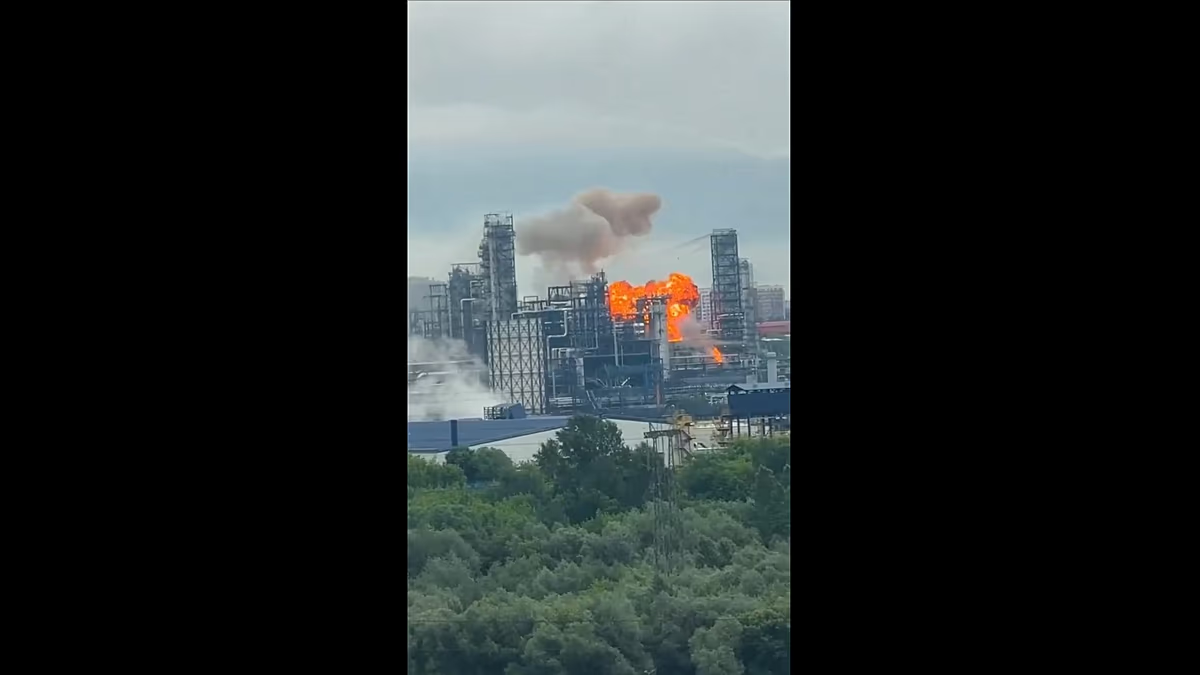
In a bold and unprecedented escalation of its long-range strike capabilities, Ukraine launched one of the most significant drone assaults of the entire conflict, directly targeting the heart of Russian energy infrastructure and disrupting life in the capital. Russian authorities reported that their air defense systems were pushed to their limits overnight, engaging with hundreds of unmanned aerial vehicles. While officials claimed to have intercepted most of the incoming threats, the scale of the attack overwhelmed perimeter defenses. Several drones successfully struck the Moscow Oil Refinery, a major facility critical to fuel supplies, sending plumes of smoke into the sky and causing visible damage. The psychological impact of breaching Moscow’s defenses was profound, proving that even the most heavily guarded symbols of Russian power are within reach, as the sounds of explosions and interceptions echoed over the city.
The immediate logistical fallout was severe and widespread, rippling through the country’s transportation network. In a move underscoring the seriousness of the threat, Russian authorities were forced to temporarily suspend all flight operations at four of Moscow’s major airports—Vnukovo, Domodedovo, Sheremetyevo, and Zhukovsky. This grounding of air traffic stranded thousands of passengers, created chaos in travel schedules, and highlighted the vulnerability of critical civilian infrastructure to modern aerial warfare. The fact that a drone campaign could bring the airspace over a global capital to a standstill marks a new chapter in the conflict, moving the tangible disruptions of war far from the front lines and into the daily reality of Russian civic life.
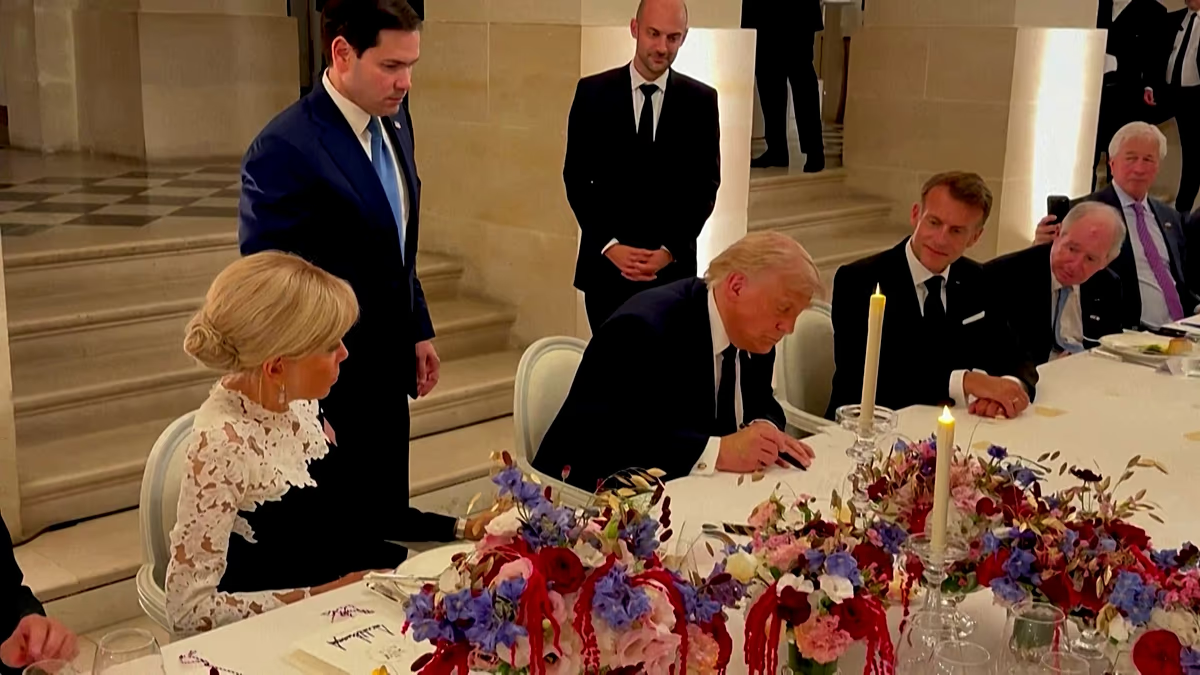
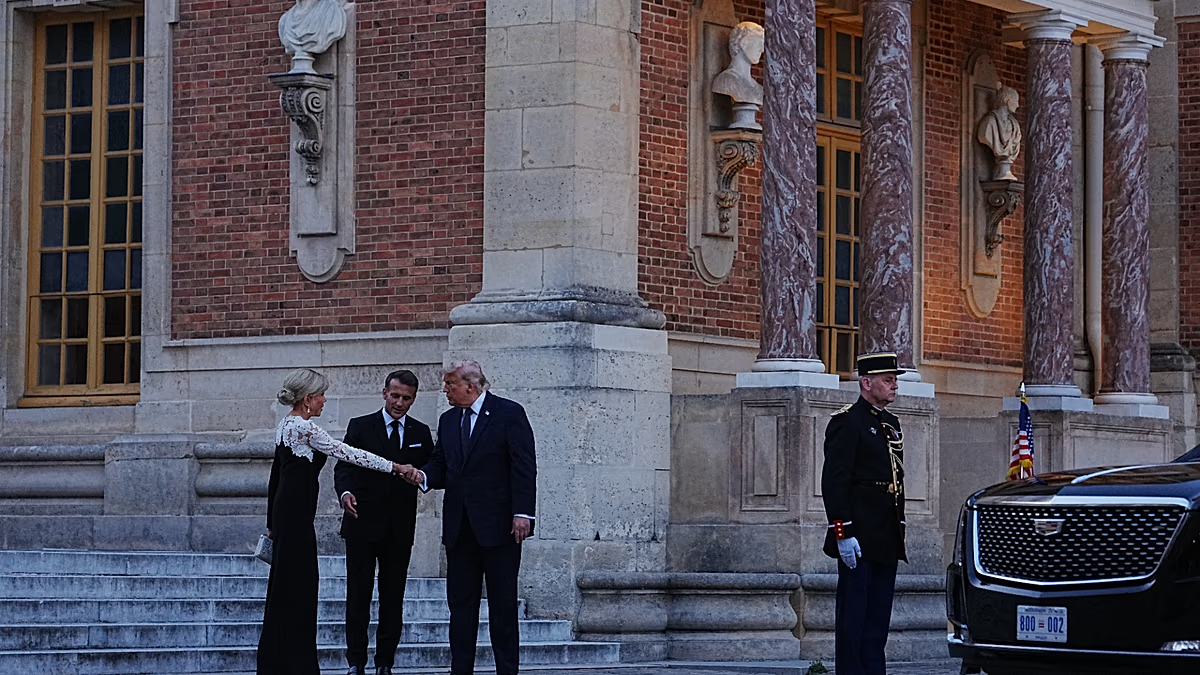
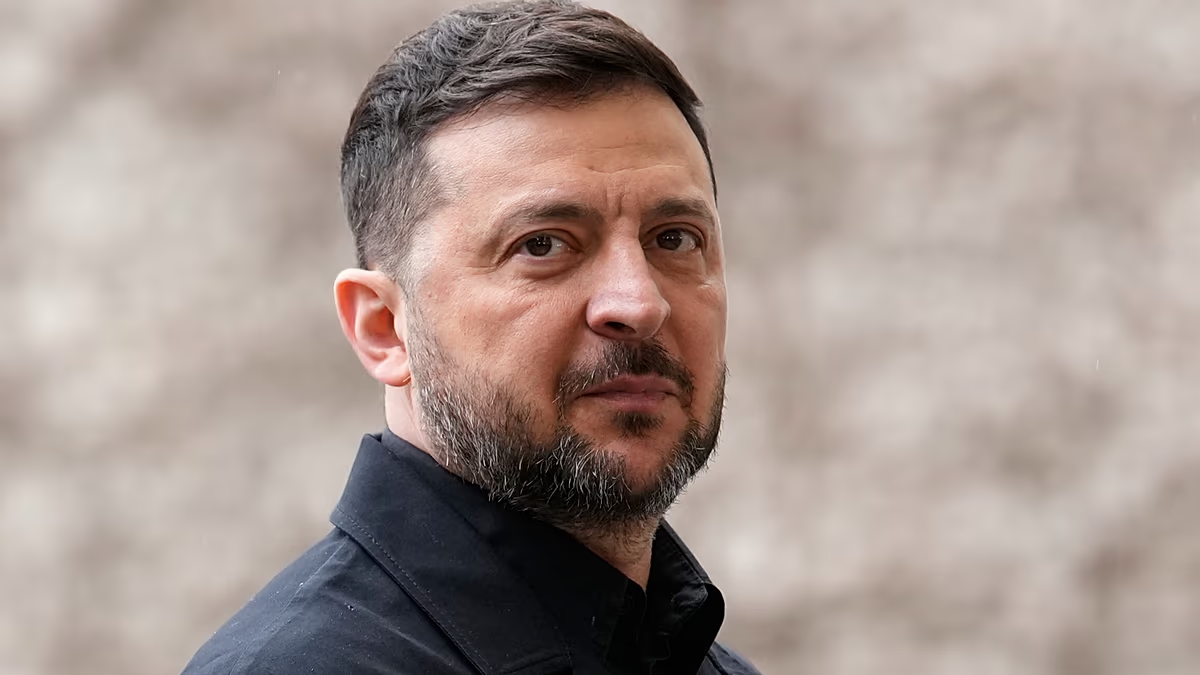
This audacious strike did not occur in a diplomatic vacuum; it was a powerful, kinetic response delivered at a moment of intense geopolitical maneuvering. The attack came immediately following a high-stakes series of discussions between Ukrainian President Volodymyr Zelenskyy and key Western leaders, including U.S. President Donald Trump and French President Emmanuel Macron. The central topic of these talks was the unwavering necessity of continued military, economic, and political support for Ukraine as it approaches the third year of a brutal war of attrition. The timing of the drone offensive serves as a stark demonstration to both allies and adversaries of what Ukraine can achieve with sustained international backing, transforming diplomatic promises into a tangible display of strategic reach and resilience.
The choice of target—a major oil refinery—is deeply symbolic and strategically shrewd, striking at a cornerstone of the Russian state. The energy sector is the lifeblood of the Russian economy and a primary source of funding for its military machine. By damaging such a facility, Ukraine aims to impose a direct cost on the Kremlin’s war effort, challenging its ability to finance the conflict and potentially straining domestic fuel supplies. This move represents an evolution in Ukrainian strategy from primarily defensive operations to conducting sophisticated, deep-strike campaigns aimed at degrading Russia’s logistical and economic capabilities, signaling a shift towards challenging the Kremlin’s perceived safe havens far behind the front lines.
For the citizens of Moscow, the attack was a jarring and undeniable intrusion of the war into a city that has largely been insulated from its direct effects. While the fighting has ravaged cities in eastern and southern Ukraine, life in the Russian capital has often proceeded with a degree of normalcy. The sight of drones being shot down over suburban neighborhoods, the sound of air defense systems in action, and the disruption of essential travel services make the conflict suddenly and uncomfortably proximate. This breach of the psychological buffer zone may lead to difficult questions within Russian society about the war’s direction and costs, even as state media works to downplay the impact and project an image of controlled resilience.
In the grand strategic narrative, this coordinated drone assault is more than just a single raid; it is a declaration of evolving capability and enduring resolve. It underscores that Ukraine retains the ingenuity and the will to take the initiative, despite facing a larger adversary. For the international community, the event is a potent reminder of the high stakes involved in supporting Ukraine’s defense. As President Zelenskyy’s conversations with President Trump and President Macron concluded, this operation vividly illustrated what continued support enables: a Ukraine that is not merely surviving but actively developing the capacity to shape the battlefield and contest Russian dominance, even hundreds of miles from its own borders. The conflict has entered a new phase where the front line is increasingly fluid, defined not only by trenches but by the reach of technology and the depth of strategic perseverance.